


As the gray of winter finally starts to lift in March and April, there is a hidden world waking up right under our noses. While we might be eager to get outside and scrub the garden clean, the landscape is busy preparing for one of the most magical events of the year: the return of our native pollinators.
Deep inside hollow stems, tucked under layers of wet leaves, and buried in soil cavities, countless native bees are waiting. They are waiting for the sun to stick around and the warmth to settle in before they emerge to feed, pollinate, and build their nests.
So, how do we welcome these vital guests? Surprisingly, the best thing you can do right now is often nothing at all. Here is how you can transform your yard into a safe haven for pollinators this spring.
Master the Art of Being Messy
It is tempting to grab the rake the moment the snow melts, but patience is a virtue here. Native bees do not all wake up at once; many hit the snooze button until daytime temperatures are consistently above 50°F.
- Leave the leaves: Hold off on raking or blowing leaves until the weather is consistently warm. Those piles are often blankets for sleeping larvae.
- Save the stems: Keep your hollow perennial stems standing at about 8–18 inches tall. These are natural hotels for cavity-nesting bees.
- Keep the seed heads: Avoid removing last year’s growth too early, as it provides shelter in unpredictable spring weather.
Serve the First Meal
When bees finally emerge, they have burned through their winter energy reserves and are essentially running on fumes. They need high-quality fuel immediately. Early-blooming plants are their lifeline. Consider adding these Zone-appropriate favorites to your landscape:
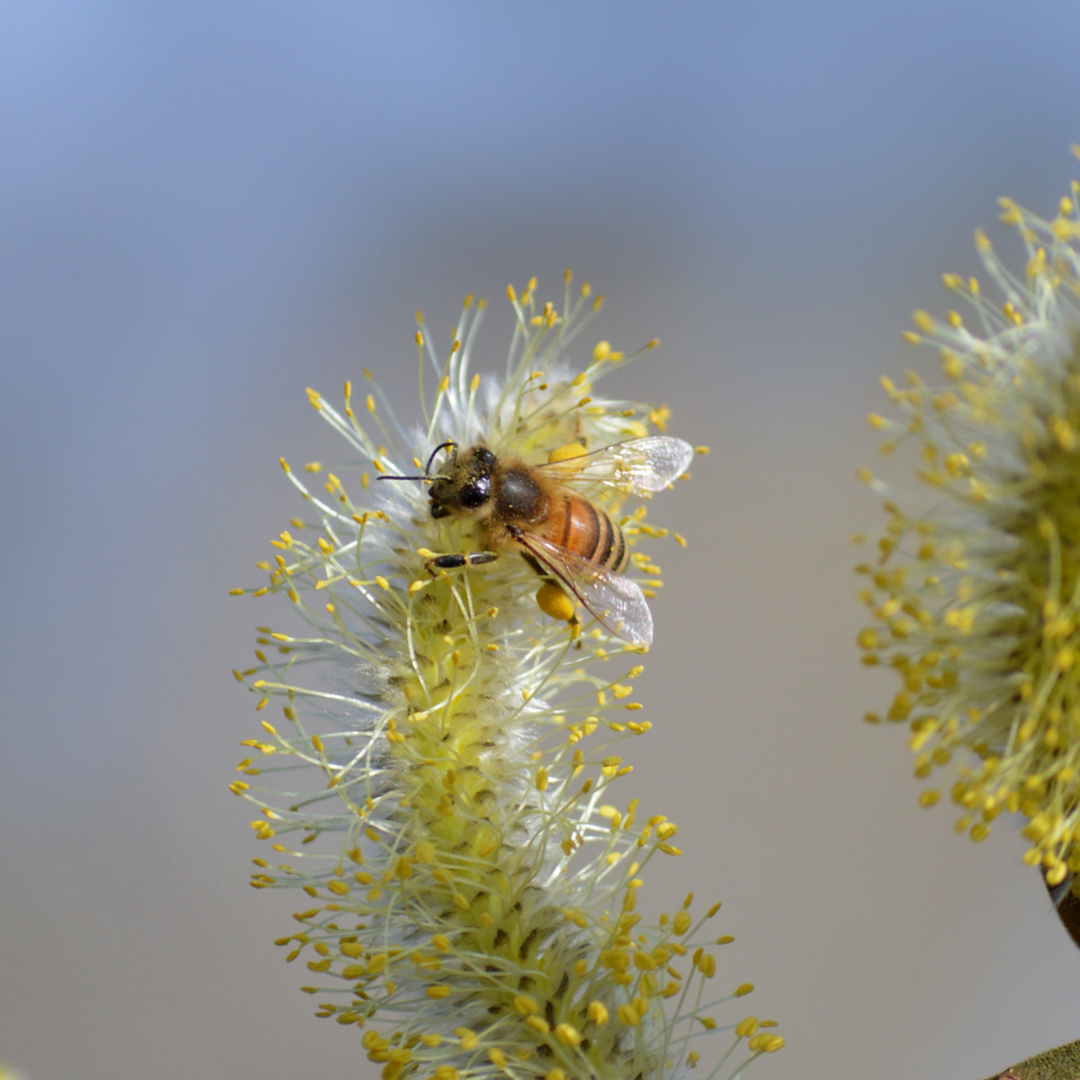
- Trees and Shrubs: Witch Hazel, Red Maple, Serviceberry, and Pussy Willow offer massive amounts of pollen.
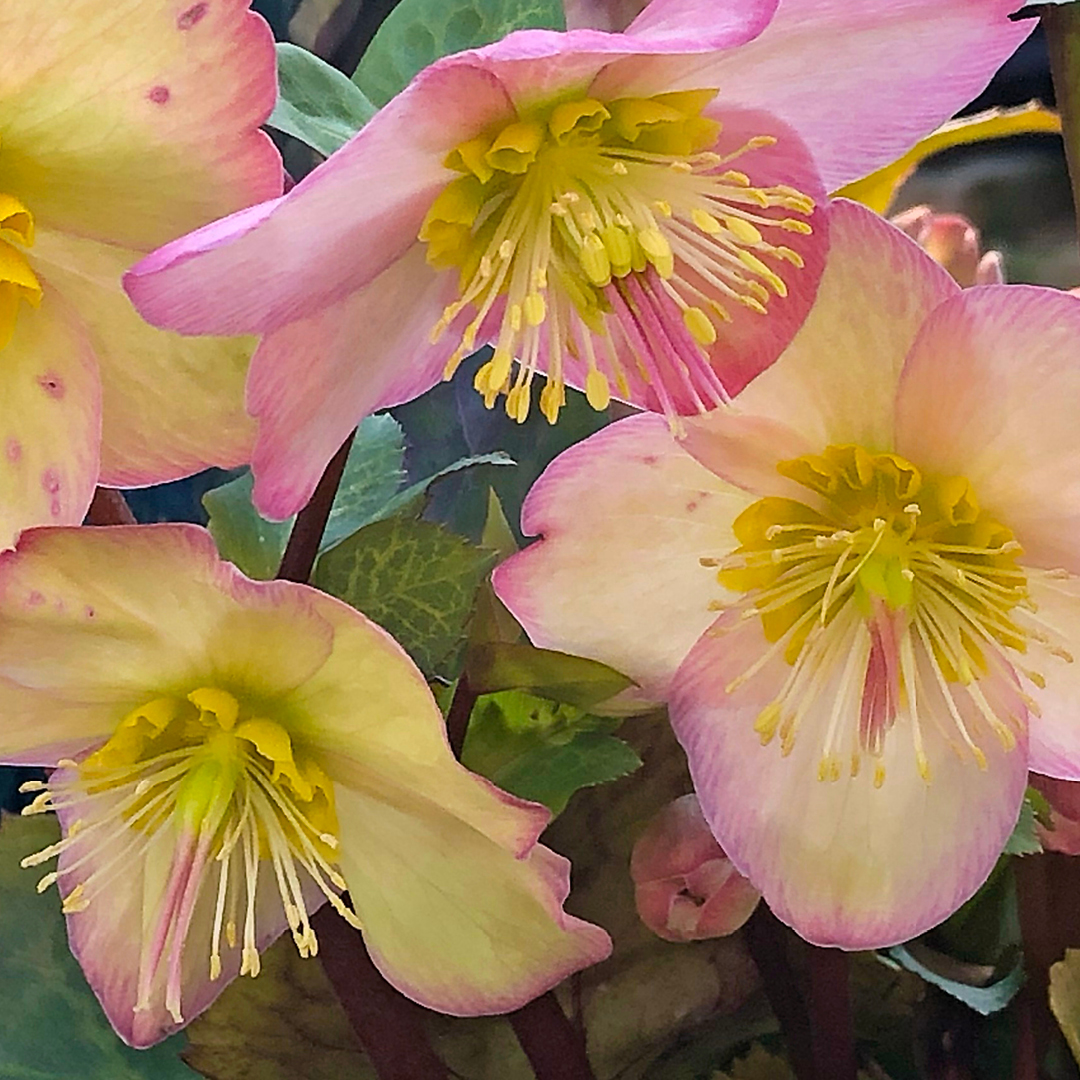
- Flowers: Hellebore, Bloodroot, Crocus, Snowdrop, and Hepatica provide accessible nectar.
The Ground Beneath Your Feet
Unlike the honeybees we often see in cartoons, most native bees are solitary and don’t live in hives. Many of them actually live underground. To support them, you need to rethink your mulch strategy.
- Leave it bare: Try to leave some patches of soil free of mulch. Ground-nesting bees need access to the dirt to dig their tunnels.
- No tilling: Avoid tilling your garden beds during this season, as you might disturb resting bees.
- Create a wild corner: Set aside a hidden spot in the yard where you do minimal cleanup and leave natural debris.
Create a Safe Zone
Nothing ruins a welcome party like toxic chemicals. Synthetic pesticides and systemic insecticides can linger in the ecosystem and harm bees before flowers even bloom.
- Skip the spray: Avoid neonicotinoids or products labeled as systemic.
- Trust nature: Encourage a balance of beneficial insects to handle pests naturally rather than reaching for the spray bottle.
The Watering Hole
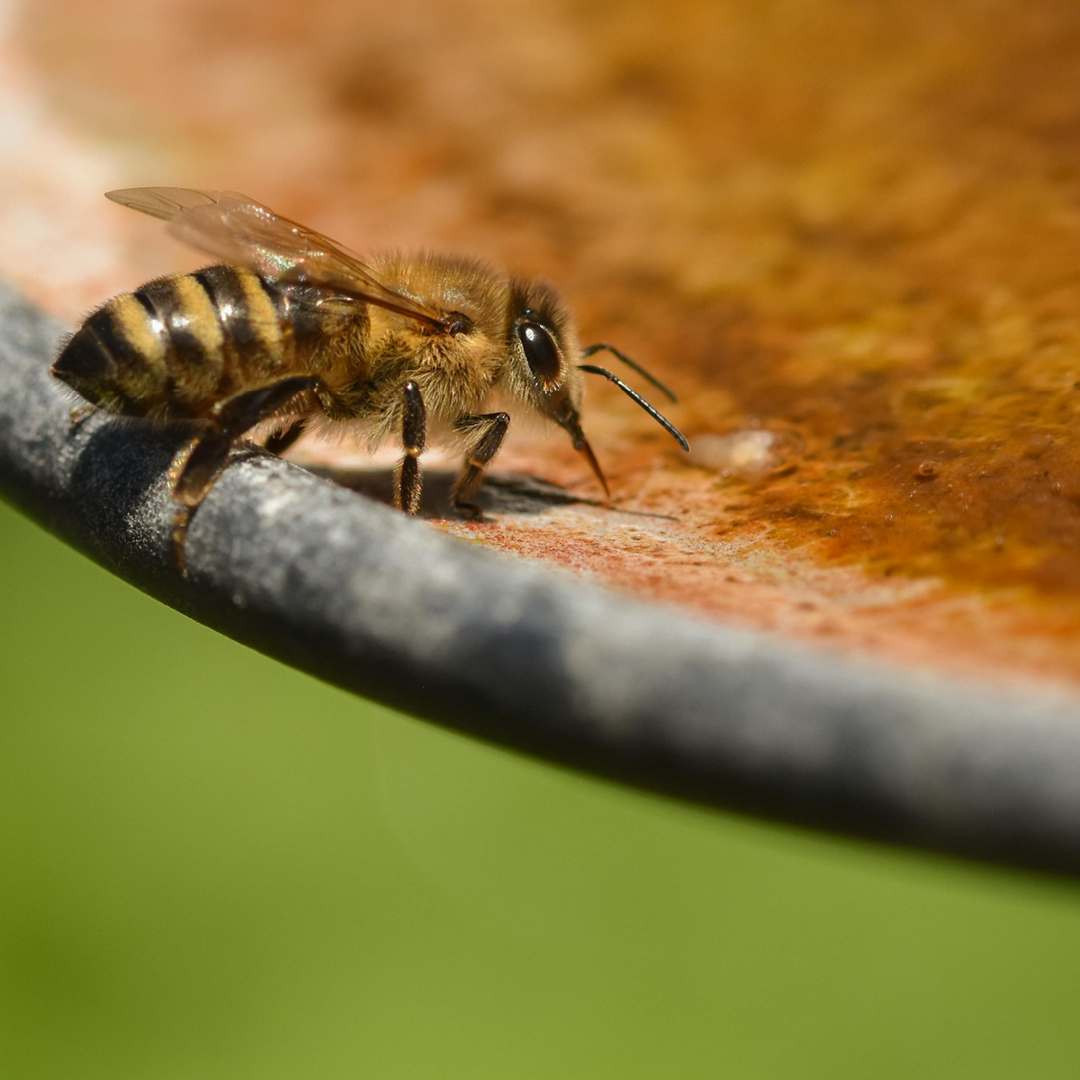
Bees work hard and need hydration to sustain energy, build nests, and regulate their body temperature. However, they are not great swimmers.
- Shallow is best: Use a shallow dish or saucer filled with water.
- Add landing pads: Place stones or marbles in the water so the bees have a safe place to land and drink without drowning.
Plan for the Long Haul
While spring is crucial, your garden needs to be a reliable food source until the first frost of autumn. Aim to have at least three different pollinator-friendly plants blooming in every season. This ensures that as one flower fades, another opens, providing a continuous buffet for your buzzing visitors.
Watch and Learn
This spring, turn your garden into a living classroom. Keep an eye out for the first sightings of bees and watch which plants they flock to. Observing these patterns will help you make better planting choices for next year.
If you are ready to start but aren’t sure which early bloomers are right for your specific soil or light conditions, come chat with us. The team at Dammann’s is here to help you cultivate a space where nature can thrive.