

A healthy landscape depends on supporting garden pollinators, because supporting garden pollinators means providing food, shelter, and safe habitat for far more than just honeybees. Native bees, butterflies, beetles, birds, moths, flies, and wasps all play essential roles in pollination, pest control, and ecosystem balance. Understanding how each pollinator functions—and what it needs throughout the season—helps gardeners create landscapes that are resilient, productive, and full of life.
Creating a pollinator-friendly landscape starts with understanding who these visitors are and exactly what they need.
Native Bees: The Efficiency Experts
Native bees—like bumblebees, mason bees, and leafcutter bees—are often more efficient pollinators than honeybees because they carry dry pollen loosely on their bodies.
- Plant Native: Choose flowers that bloom from early spring through fall.
- Leave Bare Soil: Many species nest in the ground and need sunny patches of soil.
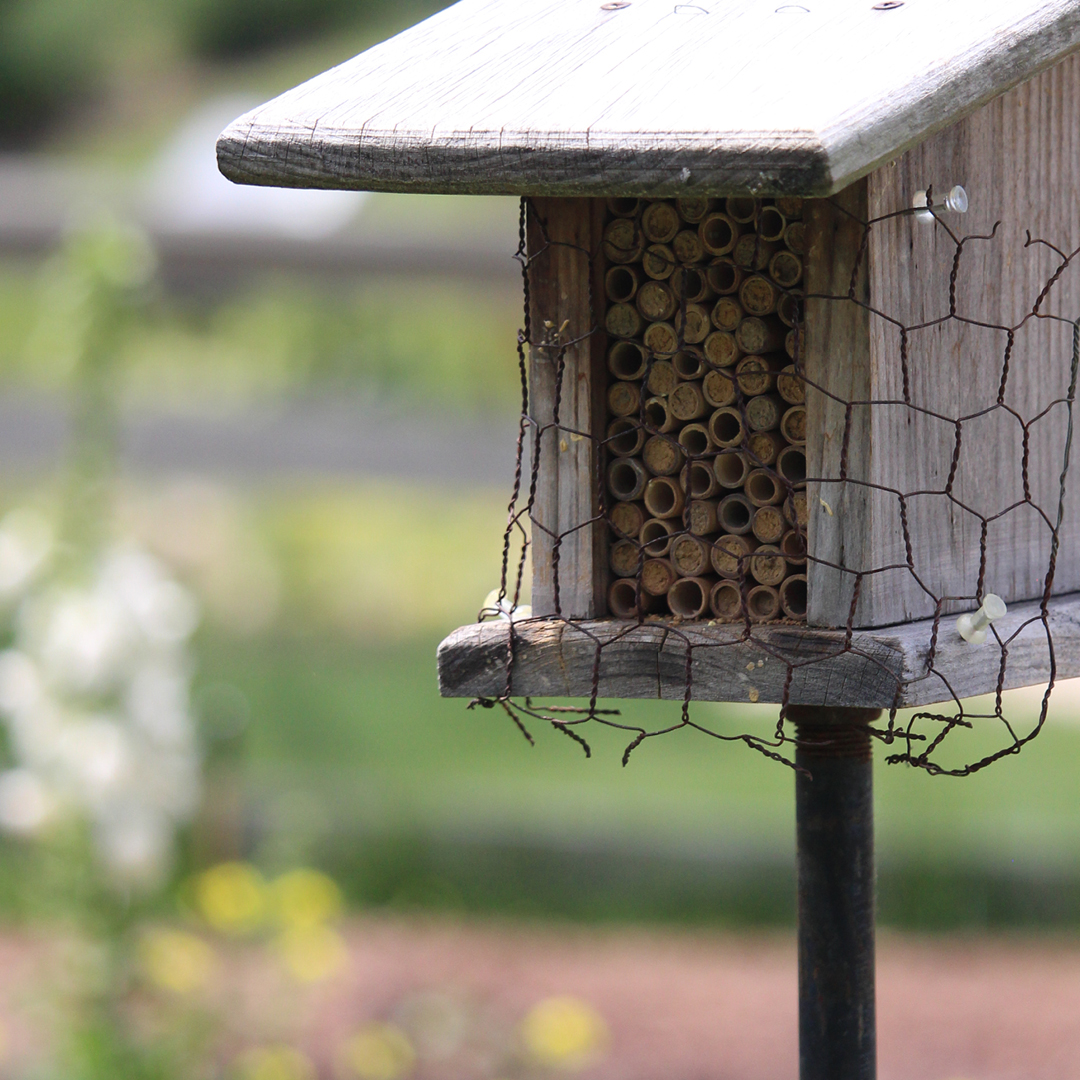
- Provide Housing: Install bee houses or leave hollow stems for cavity-nesters.
- Skip Chemicals: Avoid pesticides, especially systemic treatments that linger in plants.
Butterflies: Garden Icons
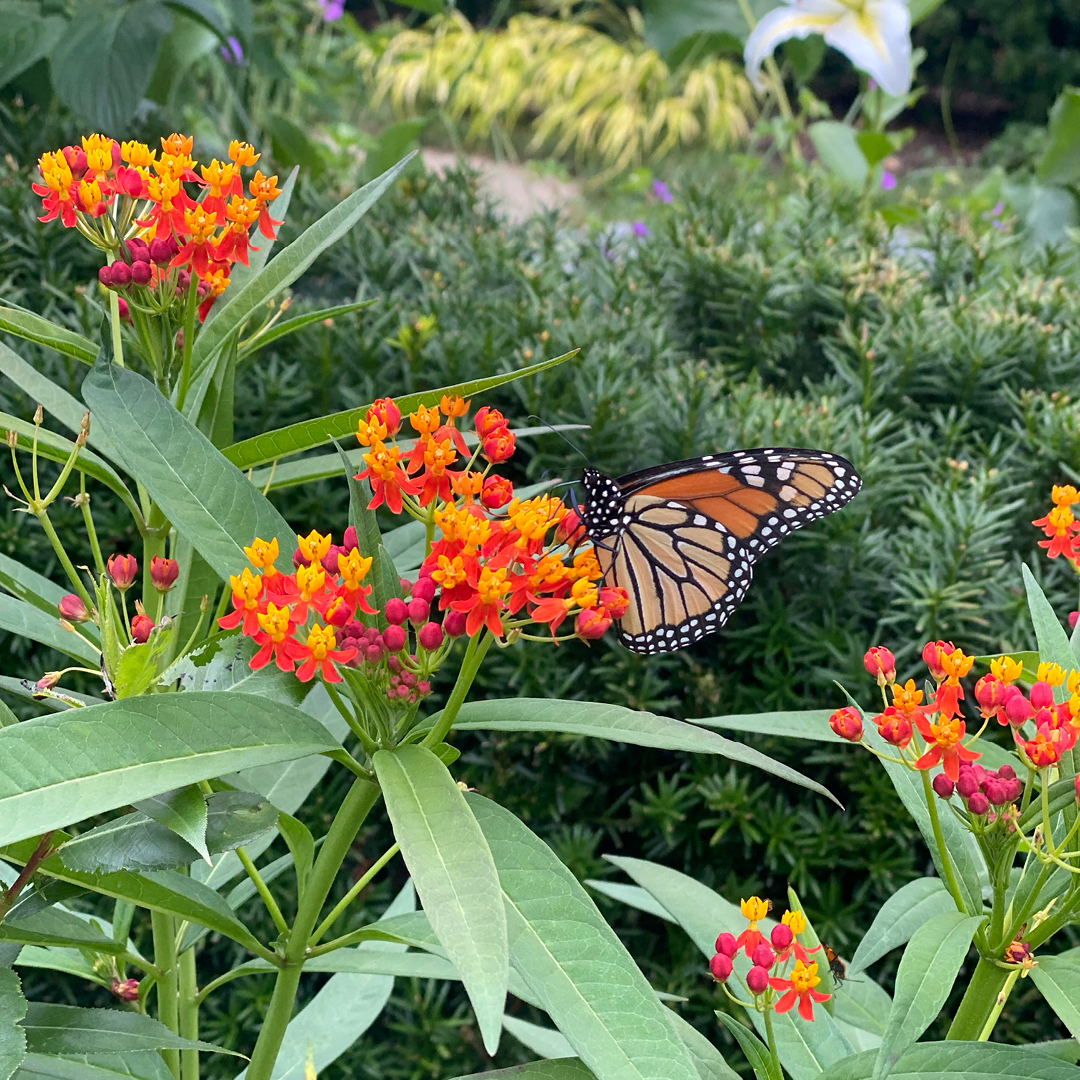
To support butterflies, you must provide nectar for adults and specific host plants for their caterpillars.
- Match Host Plants: Plant Milkweed for Monarchs, Dill/Parsley for Swallowtails, and Thistles for Painted Ladies.
- Create Shelter: Provide sunny areas for basking that are protected from the wind.
- Winter Care: Don’t clean up garden beds too early; chrysalides often overwinter in leaf litter.
Moths: The Night Shift
Moths take over the pollination shift after dark, supporting evening-blooming plants like primrose and moonflower.
- Plant Fragrance: Grow night-blooming, fragrant flowers.
- Dim the Lights: Reduce artificial outdoor lighting that disrupts their navigation.
- Protect Habitats: Maintain native shrubs that host moth caterpillars.
Beetles: The Originals
Beetles were pollinating flowers long before bees evolved! They prefer open-centered flowers like magnolias and asters.
- Accessible Pollen: Plant flowers with easy-to-reach pollen.
- Leaf Litter: Leave the leaves on the ground to provide winter shelter.
Hummingbirds: High-Energy Flyers
These territorial birds require high-energy nectar, especially during migration and nesting seasons.
- Go Tubular: Plant red, tubular flowers like columbine, bee balm, and cardinal flower.
- Feeders: Supplement with a clean sugar-water feeder.
- Perches: Provide small trees or shrubs for resting.
Flies and Wasps: The Unsung Heroes
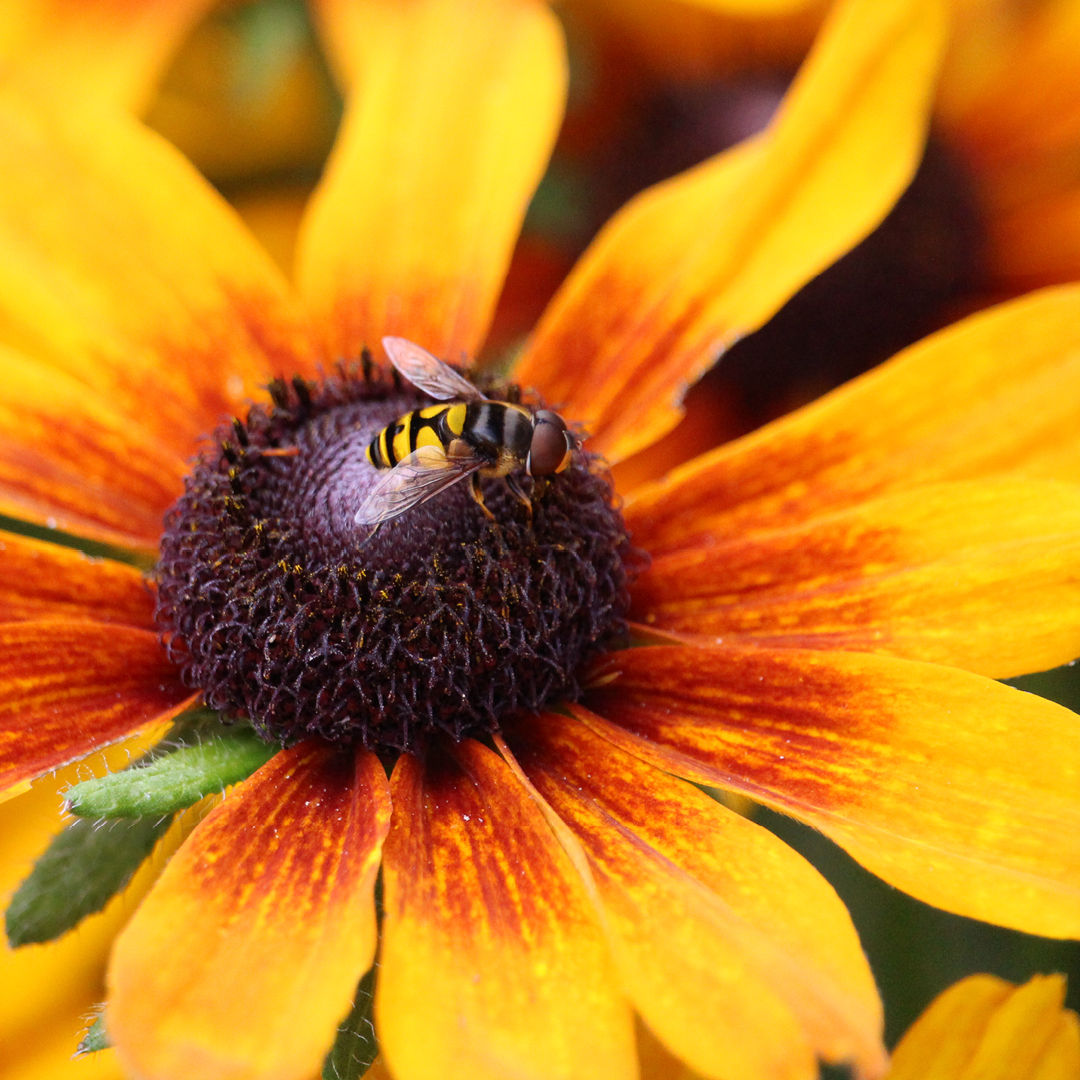
Often overlooked, hoverflies and wasps help control garden pests (such as aphids) while pollinating your blooms.
- For Flies: Plant small, clustered flowers such as yarrow and dill.
- For Wasps: Grow umbrella-like flowers (umbels) such as golden alexanders.
How to Build a Pollinator Haven
A thriving pollinator garden requires a holistic approach:
- Plant Diversity: Select native species with staggered bloom times so there is always food available.
- Layered Structure: Create a mix of canopy trees, shrubs, perennials, and groundcovers.
- Water Sources: Provide shallow dishes with stones for safe landing and drinking.
- Chemical Avoidance: Eliminate pesticides to protect the delicate ecological web.
Every flower you plant strengthens the local ecosystem. If you need help selecting the right plants, seeds, or shrubs, Dammann’s can guide you toward the best choices for a buzzing, beautiful landscape.