


Spring is finally here! As the ground thaws, your perennials are waking up from their winter slumber. It’s the perfect time to prepare your garden for a season of vibrant growth. Proper pruning not only ensures robust blooms but also supports the beneficial insects that call your garden home.
When to Start Pruning
Timing is everything. You want to cut back perennials just as new green growth begins to emerge – typically in March or April, depending on your local climate.
- Too early: You risk exposing tender new shoots to frost damage.
- Too late: You might hinder vigorous growth and create a tangled garden.
What to Cut Back
Different plants require different strategies:
- Full Die-Backs: Plants like ornamental grasses and Coneflowers (Echinacea) benefit from a thorough cut back to ground level.
- Semi-Evergreens: For plants that keep some foliage, a light trim to remove dead material is usually sufficient.
Top 10 Perennials to Prune Now
Here is your checklist for early spring maintenance:
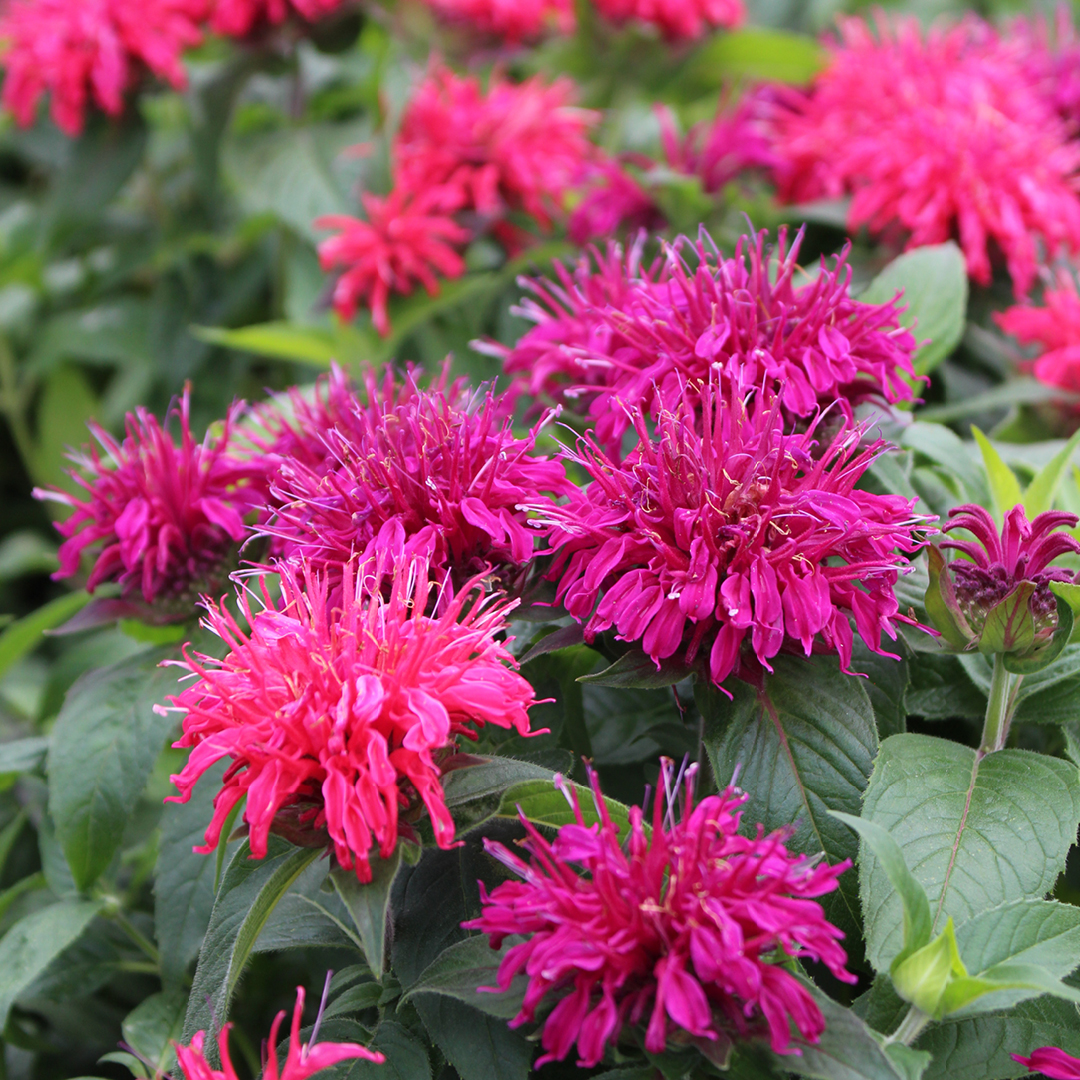
- Bee Balm (Monarda didyma): Cut to ground level to promote fresh summer flowers.
- Coneflower (Echinacea purpurea): Prune in late winter or early spring to encourage new growth, and leave flower stalks standing over winter to benefit birds.
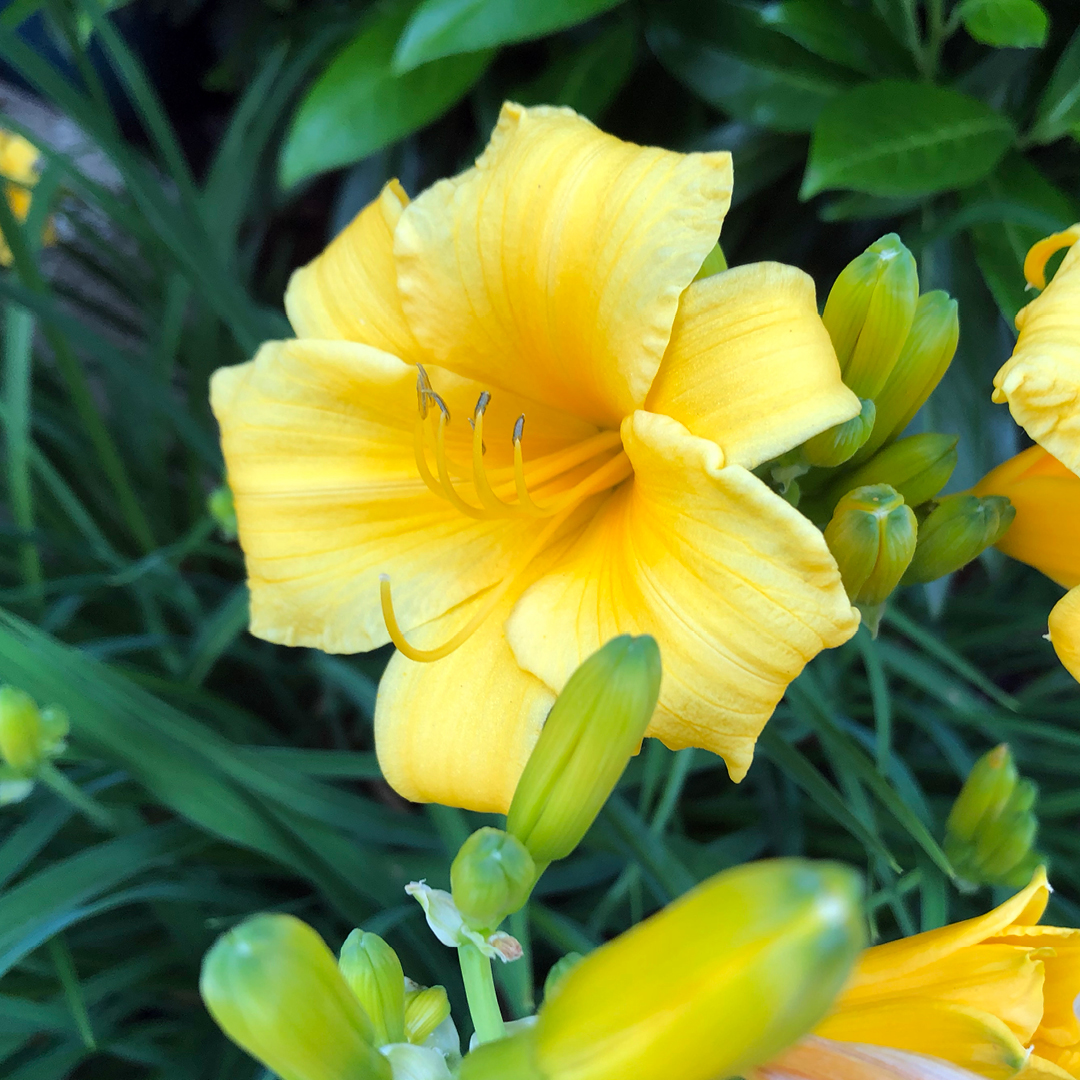
- Daylily (Hemerocallis spp.): Clear away last year’s foliage for a cleaner look.
- Ornamental Grasses (Miscanthus, Panicum): Trim dead blades to make room for new foliage.
- Black-eyed Susan (Rudbeckia fulgida): Cut back last year’s dead stems once you see new growth emerging, especially if you left seed heads standing over winter for birds.
- Shasta Daisy (Leucanthemum × superbum): Once new green shoots appear, cut back last year’s dead stems and flower stalks to just above the new growth.
- Beech Fern (Dryopteris spp.): Best pruned just before new fronds emerge, cutting the old fronds back to the base.
- Sedum (Sedum spp.): Cut back tall, woody stems to allow for fresh basal shoots.
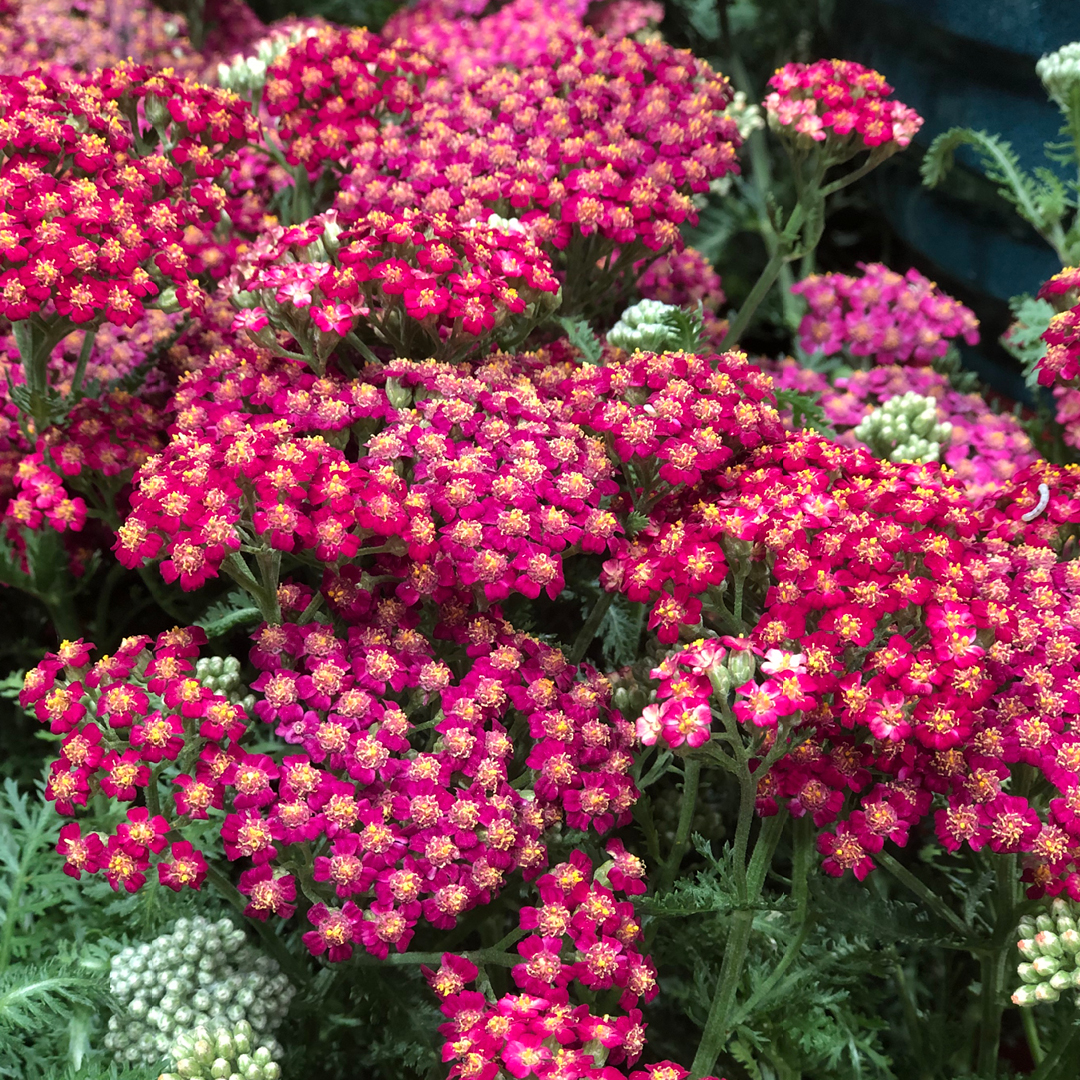
- Yarrow (Achillea millefolium): Remove dead, dried stems from the previous year down to new basal growth to encourage new vigorous shoots.
- Hellebore (Helleborus spp.): Be careful! Only remove brown foliage, as flower buds may already be forming.
Protecting Overwintering Pollinators
Don’t clear everything away just yet! Many solitary bees and ladybugs hibernate in hollow stems and leaf litter. Before you cut, check for dormant insects. We recommend pruning in stages to give these vital pollinators a chance to wake up and move on safely.
Pro Tips for Success
- Stay Sharp: Use clean garden shears to reduce the risk of disease.
- Be Gentle: Avoid aggressive cutting on early bloomers like Pulmonaria.
- Compost Wisely: Leave some plant debris at the base of the garden if you suspect insects are present.
Ready to get your hands dirty? Grab your shears and give your garden the fresh start it deserves this season!