


There is nothing quite like the excitement of early spring gardening, but we all know the heartbreak of a sudden frost zapping our hard work. Protecting young seedlings is critical for a productive year. Enter frost cloth: the most effective tool for giving your garden a strong, healthy start.Here is how you can use this lightweight wonder to extend your growing season.
What is Frost Cloth?
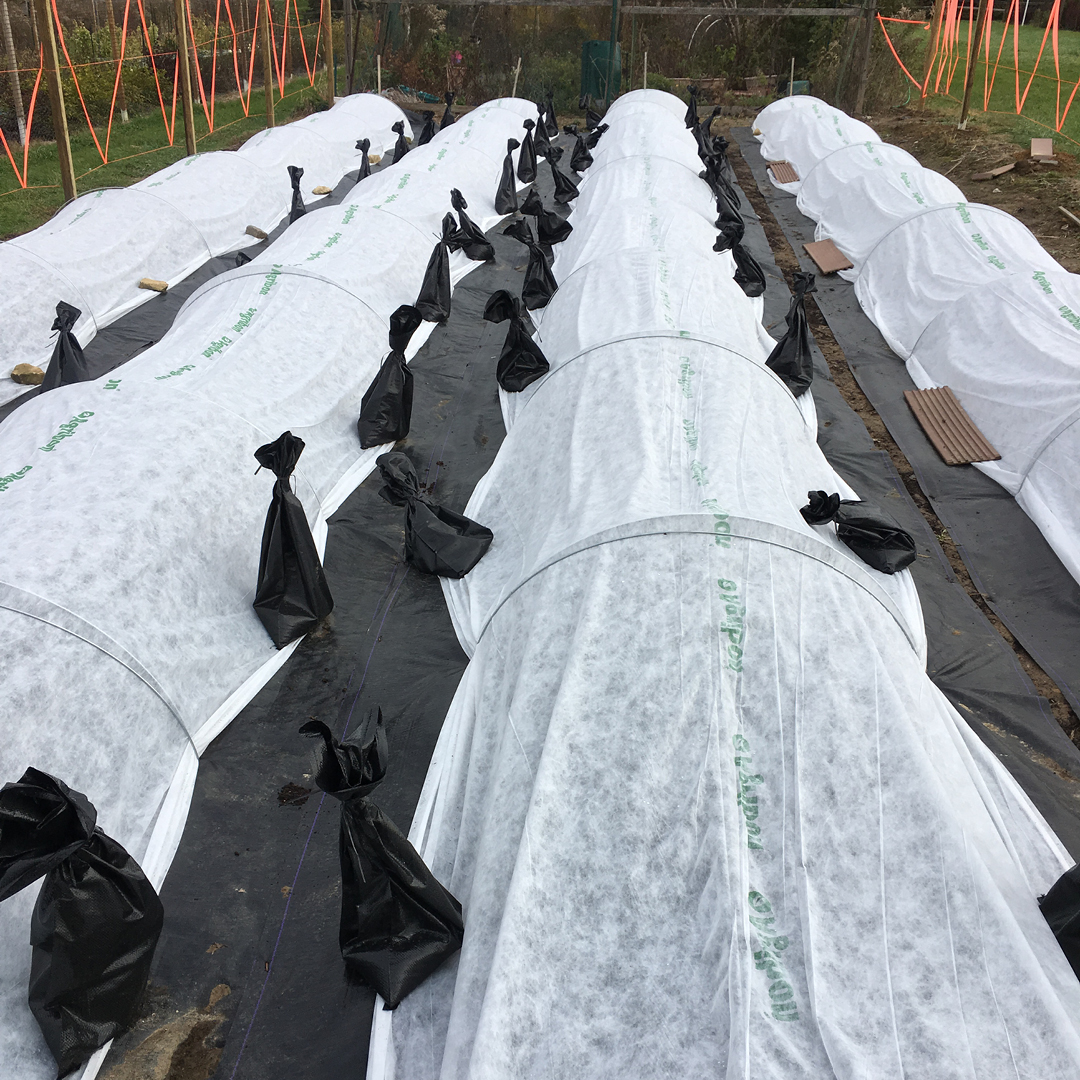
Also known as row cover, frost cloth is a specialized material made from spunbonded polyester or polypropylene. Unlike plastic, which can suffocate plants, this breathable fabric allows air, light, and water to reach your crops while insulating them against the cold. Generally, it protects plants down to 28–32°F (-2 to 0°C).
Top 10 Vegetables for Spring Protection
Cool-season crops thrive under frost cloth. Here are the varieties that benefit most:
- Lettuce (Lactuca sativa): This fast-growing favorite loves the extra warmth.
- Spinach (Spinacia oleracea): A hardy green that thrives with slight protection.
- Peas (Pisum sativum): Cloth helps tender early varieties survive cold snaps.
- Radishes (Raphanus sativus): Prevents leaf damage on these quick-maturing roots.
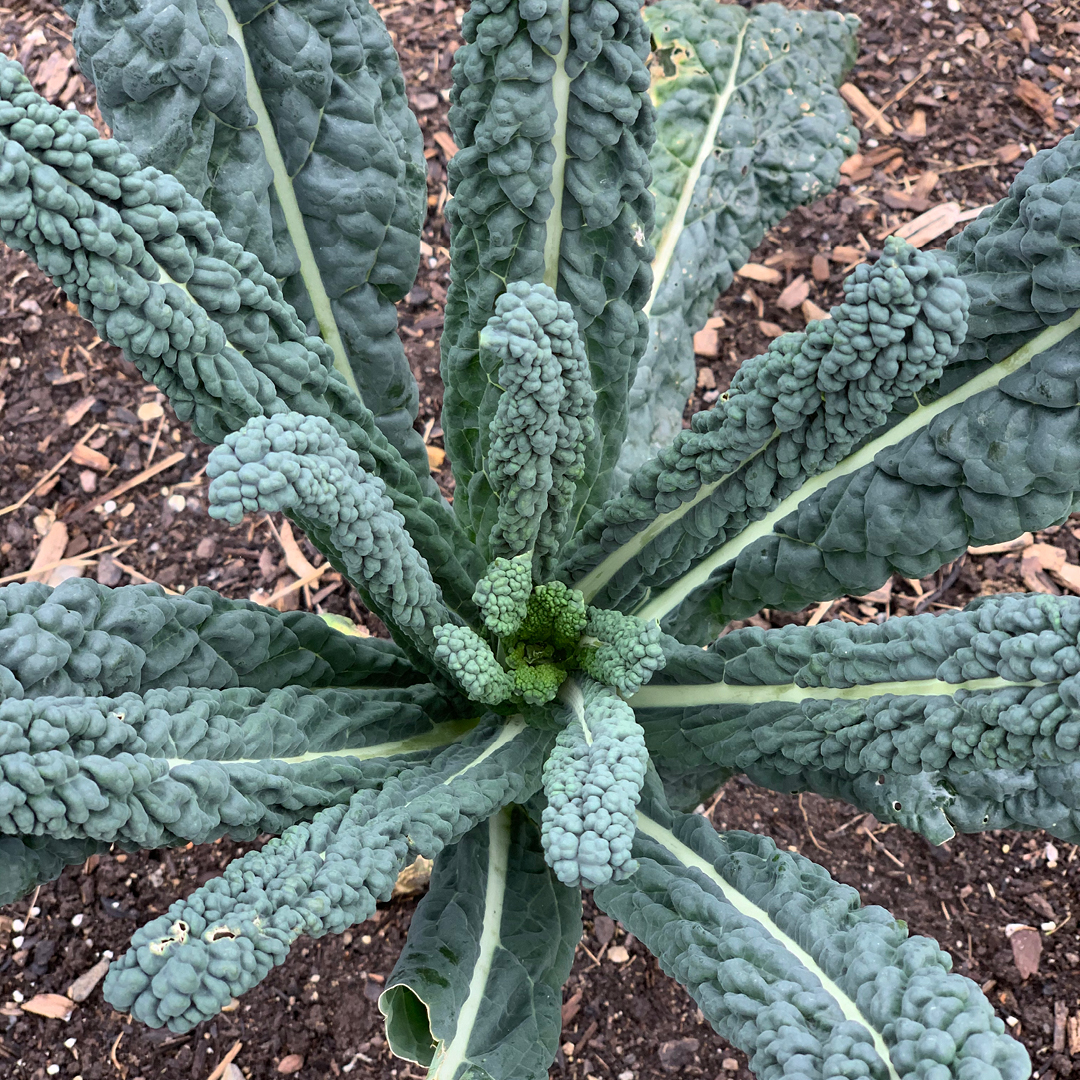
- Kale (Brassica oleracea var. sabellica): Cold-hardy, but grows significantly faster under cover.
- Broccoli (Brassica oleracea var. italica): Protects sensitive young seedlings in early stages.
- Cauliflower (Brassica oleracea var. botrytis): Provides necessary insulation for tender starts.
- Carrots (Daucus carota): Keeps soil warmer to aid in tricky germination.
- Beets (Beta vulgaris): Accelerates germination speeds.
- Onions (Allium cepa): Helps sets and seedlings establish quickly.
Note: Tender crops, such as tomatoes and peppers, are highly vulnerable and must always be covered during early spring planting.
How to Use Frost Cloth Effectively
To get the most out of your row covers, follow these five steps:
- Timing: Cover your plants in the evening before temperatures drop. If the day warms up significantly, remove the cloth to prevent overheating.
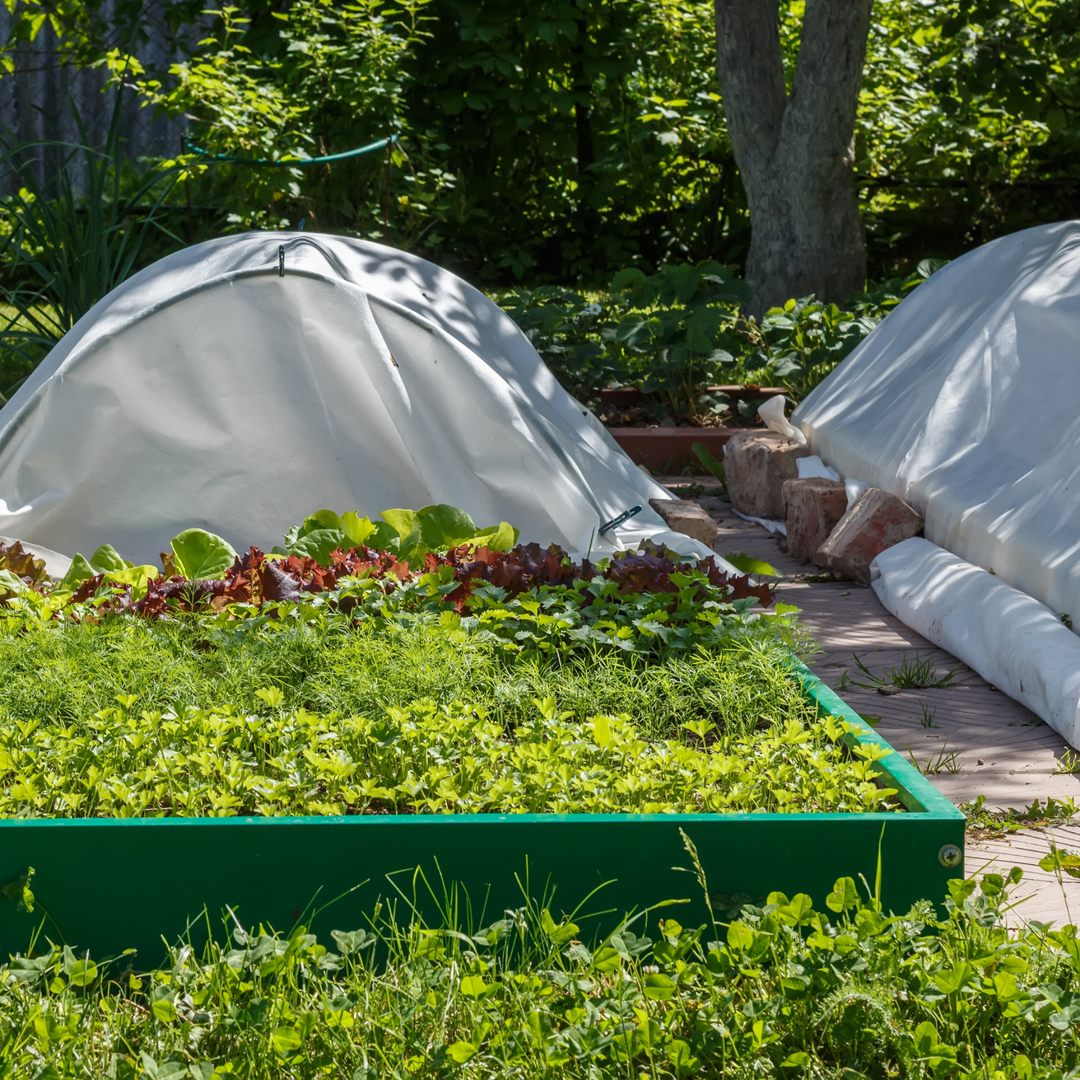
- Coverage: Use hoops or stakes to create a tunnel. This prevents the fabric from touching the leaves and freezing to them.
- Layering: Facing extreme cold? Double up your layers to raise the temperature underneath by 4–6°F (2–3°C).
- Securing: Wind is the enemy. Anchor the edges firmly with soil, rocks, or clips to ensure no cold air sneaks in.
- Maintenance: Keep the cloth clean and dry to maintain its insulating properties.
Budget-Friendly Alternatives
If you don’t have commercial frost cloth on hand, you can still save your garden with these household items:
- Bed Sheets: Lightweight sheets work well for temporary insulation.
- Cloches: Cut plastic bottles or milk jugs create mini-greenhouses for individual plants.
- Mulch/Straw: Excellent for insulating root zones.
- Cardboard: Useful for blocking wind in small garden sections.
Additional Tips
- Permanent vs. temporary use: Lightweight frost cloth is ideal for temporary protection, while heavier materials or cold frames can provide longer-term insulation.
- Sunlight considerations: Frost cloth allows light to pass through, but thicker or double layers can reduce light intensity. Ensure plants continue to receive sufficient sunlight to support healthy growth.
- Extend season: Frost cloth or its alternatives can also protect plants in late fall, giving you an extended harvest window.
By using frost cloth or these simple alternatives, you can navigate the fluctuating temperatures of spring and ensure a bountiful harvest. Happy gardening!