

As winter fades and the landscape begins its slow seasonal shift, shrubs awaken long before leaves fully expand or flower buds open. Knowing when to fertilize during early spring ensures strong growth, improved vigor, and more reliable flowering throughout the growing season. Timing matters—too early and nutrients may wash away with snowmelt and rain; too late and shrubs may produce soft new growth vulnerable to late cold snaps.Understanding when shrubs break dormancy helps guide the ideal application schedule and ensures fertilizer supports, rather than disrupts, natural growth patterns.
Why Fertilize in Early Spring?
Early spring is an ideal time to fertilize most shrubs because it aligns with their natural nutrient uptake rhythm. As soil temperatures rise and moisture increases, shrubs begin drawing nutrients into roots to support new buds, foliage, and structural growth. Fertilizing at this point replenishes nutrients lost over winter and promotes steady, predictable growth throughout spring and summer.
Avoid fertilizing frozen or waterlogged soil, as plants cannot absorb nutrients effectively under those conditions, and fertilizer may leach into groundwater rather than support plant development.
Signs the Timing Is Right
Instead of relying solely on a calendar date, look for environmental cues:
- Soil is soft and thawed.
- New growth buds are beginning to swell.
- The threat of a deep freeze has diminished.
- Daytime temperatures remain consistently above freezing.
These indicators help determine that shrubs are physiologically ready to use supplemental nutrition.
Which Shrubs Benefit Most from Early Spring Fertilization?
Not all shrubs need the same treatment. Some, including native woodland and low-nutrient-adapted species, may never require fertilizers once established. Others respond with stronger blooms, increased branching, and improved disease resistance.
Shrubs that benefit most from spring fertilization include:
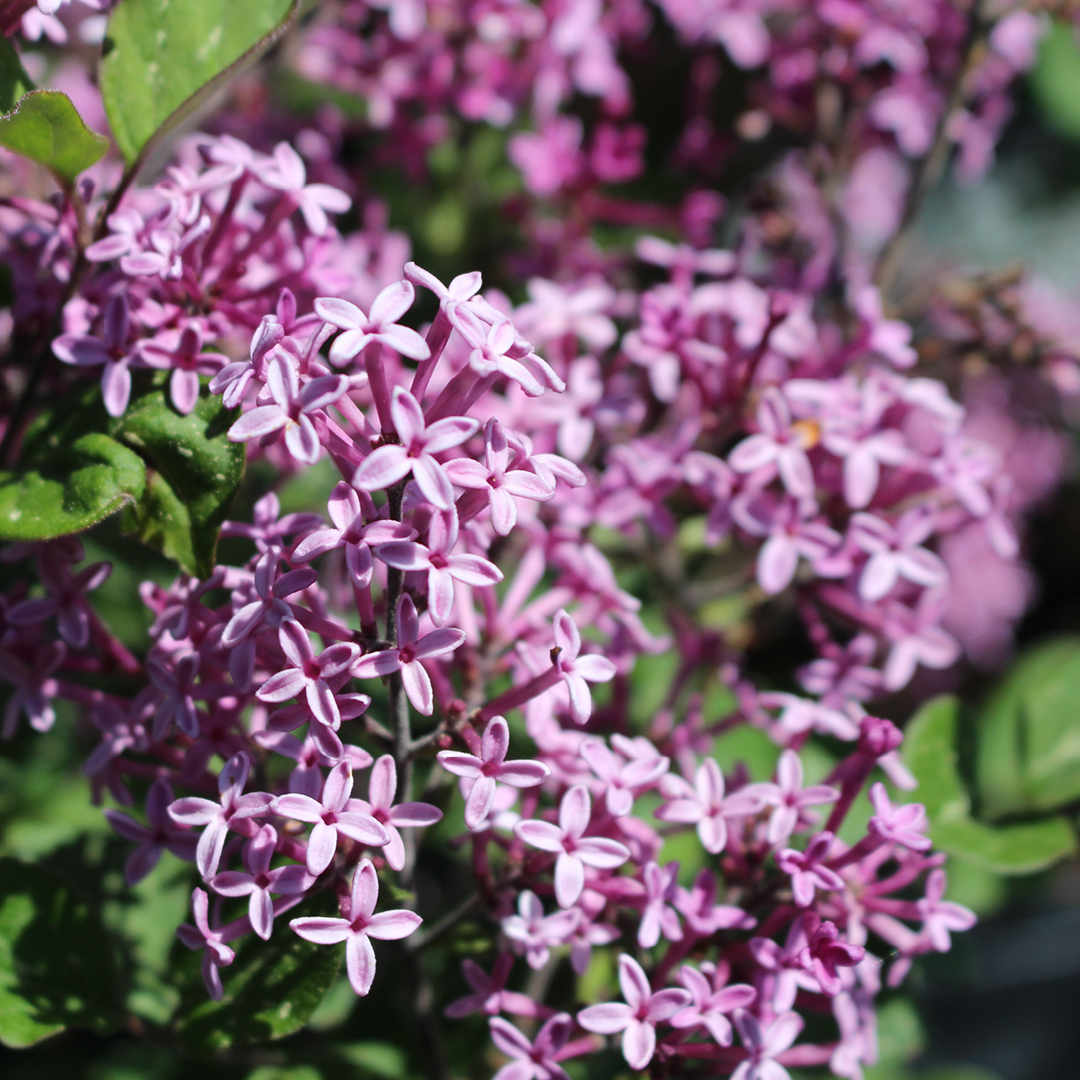
- Flowering shrubs (hydrangea, lilac, ninebark)
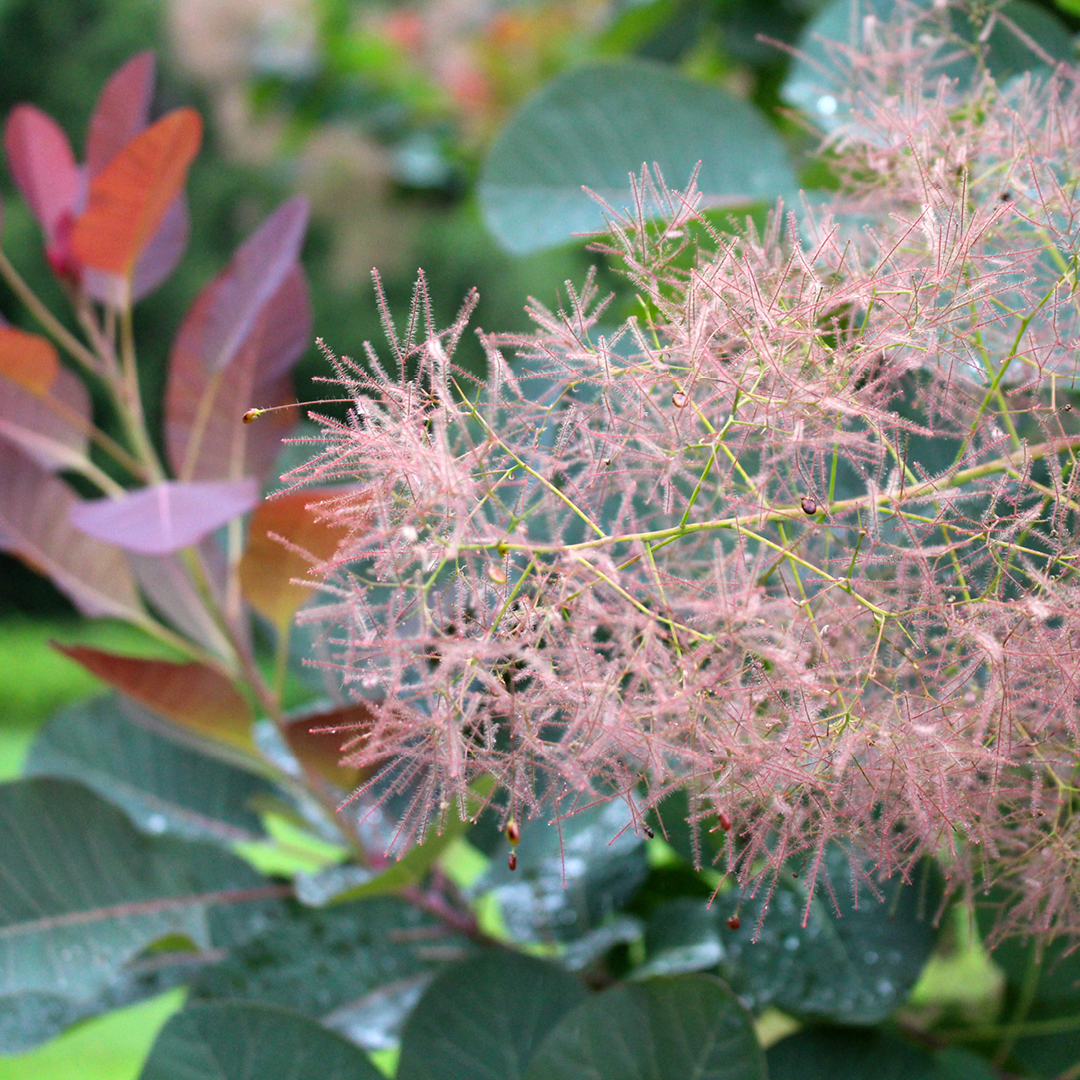
- Shrubs grown for foliage color (smokebush, barberry)
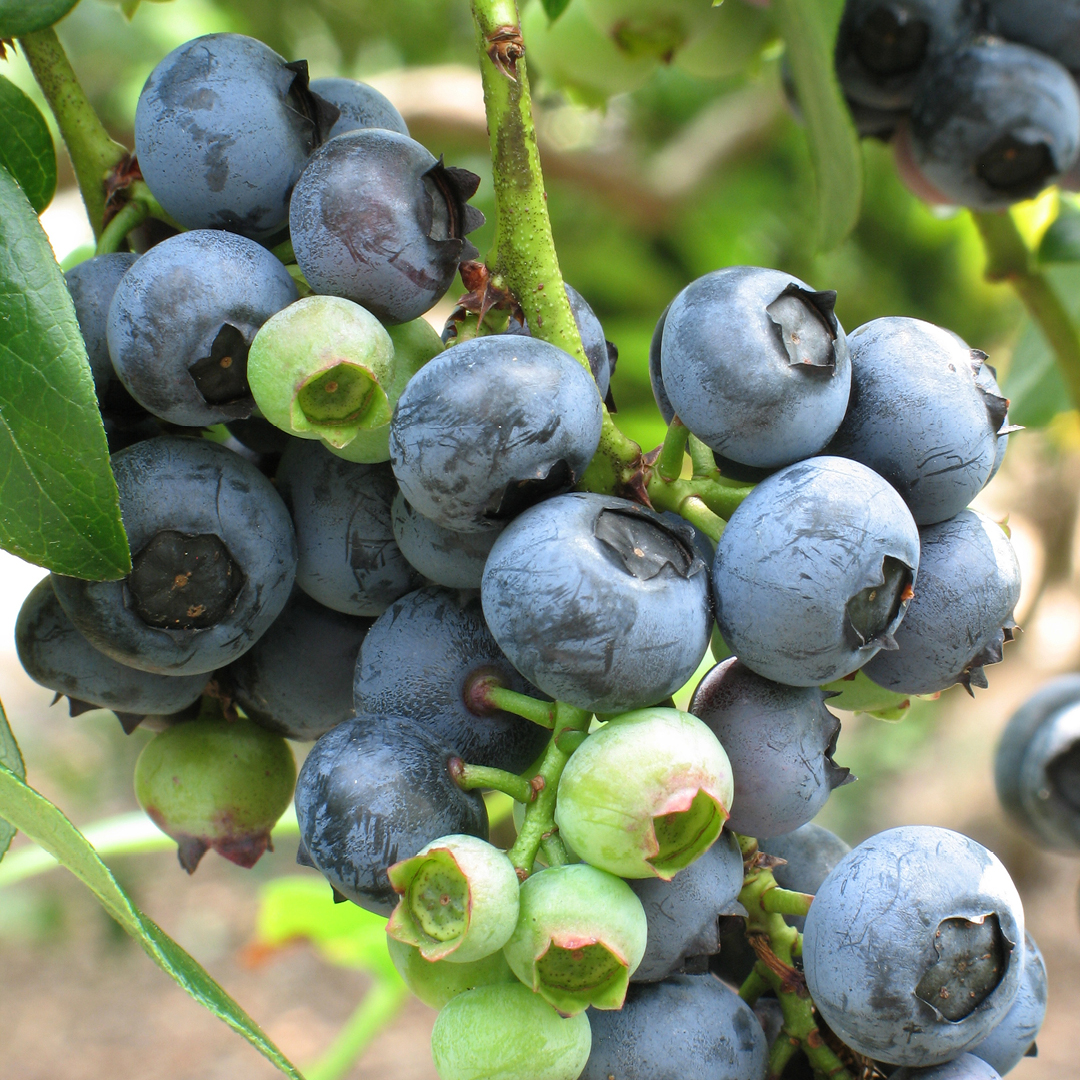
- Fruit-bearing shrubs (blueberries, currants, elderberries)
Native shrubs growing in lean, nutrient-poor soil may require only light fertilization, if at all.
Choosing the Right Fertilizer
Different shrubs prefer specific nutrient profiles:
- Flowering shrubs: Slow-release balanced fertilizer such as 10-10-10 or 12-6-6.
- Acid-loving shrubs: Formulas designed for azalea, rhododendron, blueberry, or holly with added sulfur to support proper soil pH.
- Evergreens: Fertilizers containing micronutrients such as iron and magnesium to support foliage retention and color.
Slow-release products are ideal because they deliver a consistent supply of nutrients through the active growing season rather than causing rapid surges of growth.
How to Apply Fertilizer Correctly
Applying fertilizer too close to the trunk can lead to root burn or reduced uptake. Instead, distribute it evenly around the drip line—the area beneath the branch canopy where feeder roots are most active.
Steps for proper application:
- Measure the product according to shrub size and fertilizer instructions.
- Apply in a circular band around the drip line.
- Lightly work the fertilizer into the top layer of soil when possible.
- Water deeply to activate granules and begin nutrient absorption.
Shrubs recently mulched may still be fertilized; simply lift or part the mulch layer, apply fertilizer, and replace afterward.
When Not to Fertilize
Avoid fertilizing shrubs if:
- They were planted within the last year. Newly planted trees and shrubs should not be fertilized right away. Wait until the first full growing season (about one year) after planting before applying fertilizer. During this time, the plant’s main priority is establishing a strong root system. Instead of fertilizer, use a root stimulant product to help encourage root growth and support healthy establishment.
- They appear stressed from drought, winter burn, or pest damage.
- Soil tests indicate high nutrient levels or improper pH.
In these cases, fertilizing may worsen stress. Instead, improve soil health, moisture, or environmental conditions first.
Soil Testing: A Valuable First Step
A simple soil test helps determine whether fertilizer is needed and which nutrients to apply. Many shrubs thrive in moderate nutrient conditions, and additions such as compost or leaf mold may be sufficient without synthetic fertilizers.
Final Considerations
Thoughtful timing and proper application ensure shrubs receive the nutrients they need to start spring strong and thrive throughout the growing season. Whether establishing young shrubs or supporting mature garden favorites, fertilizing at the right moment encourages fuller foliage, improved flowering, and long-term plant resilience.
For help selecting the right fertilizer formula or understanding the needs of specific shrubs in your landscape, the team at Dammann’s is always available to guide you.