



Winter
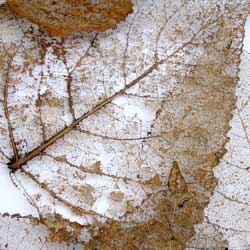
Insect Control Begins Now
It’s hard to think of insects in winter, but don’t forget the havoc these tiny creatures can bring to your garden – defoliating leaves, contaminating produce, even destroying complete plants. Before these pests begin to be a problem is the perfect time to take steps to control them. Why Winter…

Size Up Your Site: A First Step in Planning Your Landscape
Whether you plan your garden from start to finish or use a professional designer, a few simple steps can help you assess your property’s potential to develop the landscape of your dreams. By getting involved in the landscape design process, you can address practical problems, structure your outdoor living space…
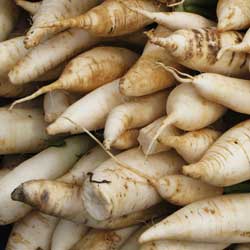
Rotating Your Vegetable Crops
Whether you just plant a few tomatoes, herbs and some lettuce or an elaborate garden complete with exotic selections of lesser known veggies, you’ll want to rotate your crops each year. All types of vegetable crops – brassicas, onions, legumes and root crops – require a slightly different blend of…
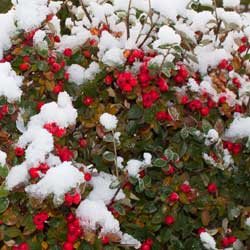
Anti-Desiccants: Why, What, and When
Have you wondered why some of your plants die in the winter, even when you provide winter protection? Many plants die during winter because they dry out, or desiccate. As temperatures drop, the ground freezes and plant roots cannot take water from the soil. This causes the plant to use…
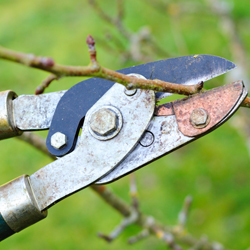
Dormant Pruning With the Proper Tools
Late winter pruning is often recommended for many trees and shrubs. Pruning the plants while they are dormant is less stressful for the plant and it's also easier to view the structure of deciduous trees and shrubs without their leaves.

Spring is on the Way!
In January and February, winter flirts with spring on occasional warm days. Quince, Forsythia, and Pussy Willow begin to emerge from dormancy. With this slight swelling of buds, it is time to cut a few branches to bring spring indoors!
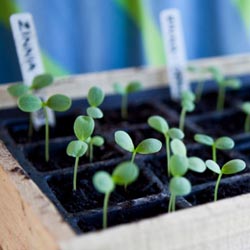
Seed Starting
Starting seeds indoors is a rewarding gardening experience and can help extend your growing season to include more plant varieties than your outdoor season may permit. Furthermore, a larger selection of seed varieties doesn’t limit your opportunities to growing only those transplants that are available at planting time. The key…
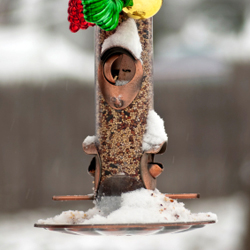
Family Gardening: Attracting Wildlife to the Garden
Attracting wildlife to the home garden is an enjoyable and creative way to teach children about nature, evoke their respect for the environment and provide meaningful family together time.