
Monthly Archives: January 2026

Winter Gardener’s Calendar

Winter is a perfect time to plan! Curl up with your gardening books and the gardening magazines and catalogs you’ve received in the mail. Get out the gardening journal and start dreaming.

General Landscape

  • Clean up when you get a break in the weather. Remove fallen branches and downed evergreen clumps. Rake leaves to prevent stains on concrete and dead patches on lawn. If freezing weather is still in the forecast, leave the mulch in place.
  • If your Christmas tree is still around, set it where the dropping needles will provide mulch, use the branches as additional insulation for perennials, or get together with neighbors to rent a chipper and create wood chips for larger mulch.

Houseplants

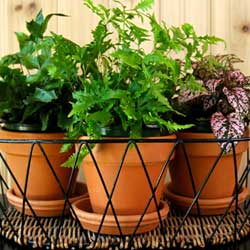
  • Perk up tired houseplants by removing dead and dying leaves. Wash under a soft shower in the sink or tub.
  • Spider mites love living in warm dry winter homes. Check for mites by looking for tiny speckles on leaves. If so, pick up some Neem Oil or Horticultural Oil or Insecticidal Soap from Bonide.
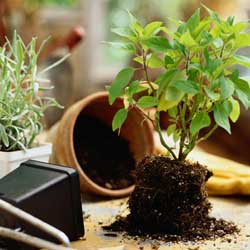
  • Transplant if roots are growing through the drainage holes or over the pot edge. Pick up some new larger trend-setting colored pots to perk up your décor. Or, if you don’t want to move into a larger pot, untangle the roots and cut back by 1/3, scour the pots and replant with new soil.
  • Remember to turn your plants each week as they begin to grow towards the weaker window light.
  • Plant a terrarium or miniature garden. If you can’t play in the dirt outside, bring the fun indoors!
  • Pick up a potted plant for your valentine. Come in and choose from our thriving greenhouse full of succulents, tropicals and houseplants that are the perfect “I love you!”

Vegetables

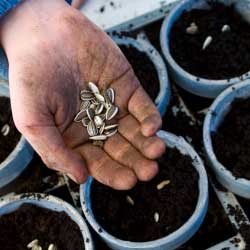
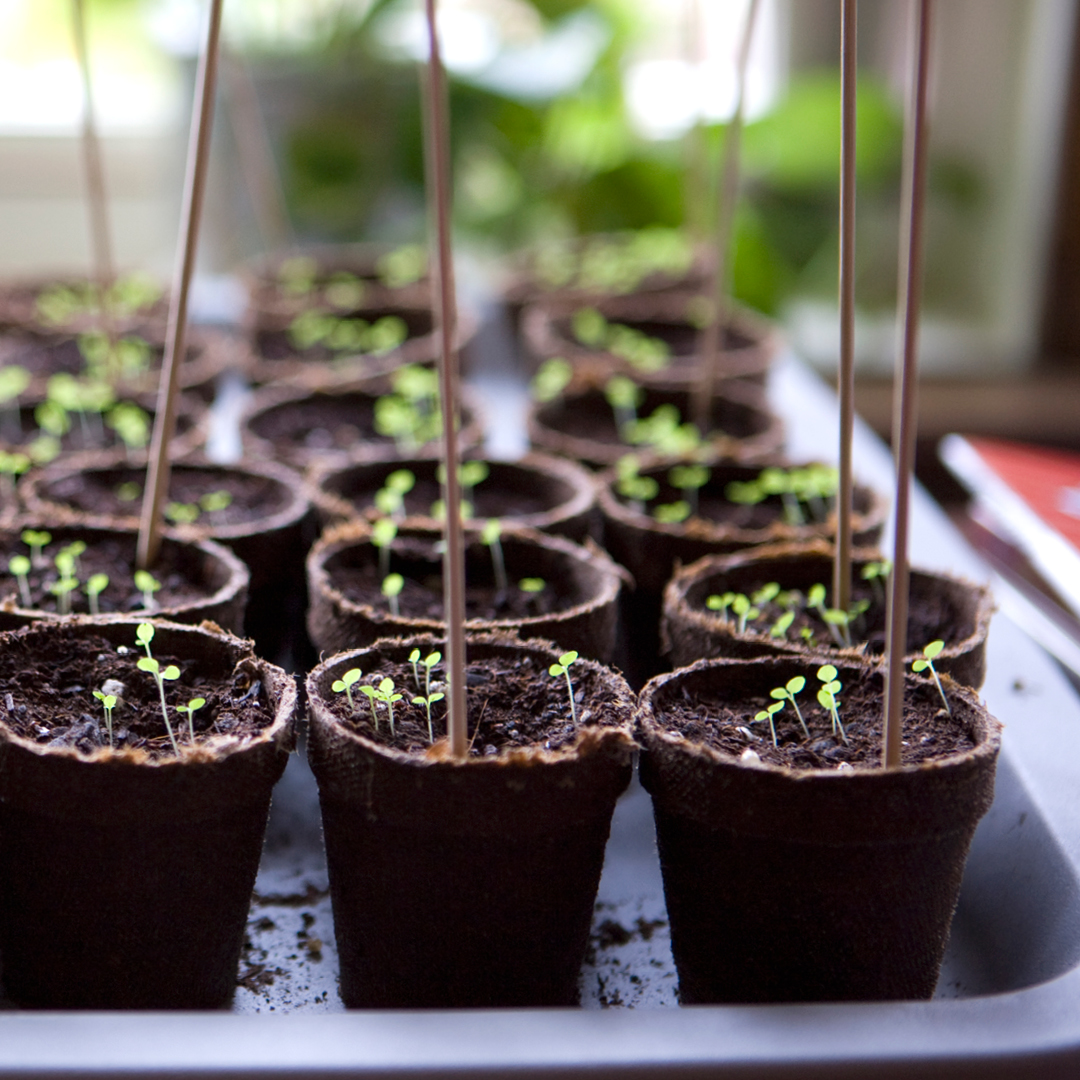
  • February: Start vegetable and herb seeds indoors. Pick up some seed trays, heating pads, peat pellets and seed starting mix.
  • Sign up for our February 17th class “Seed Starting and Companion Gardening” and learn and companion gardening and different methods for seed starting.
  • These veggies need an early start indoors:
Broccoli
Cabbage
Celery
Chard
Eggplant
Kale
Leeks
Lettuce
Scallion
Onions, bulb
Peppers
Tomatoes

If you just need a breath of aromatic fresh garden air, stop by and smell ours! The humidity is perfect and will instantly transport you to spring. We’d love to see you!


Bird Feeding 101: Low Maintenance Suet Feeding

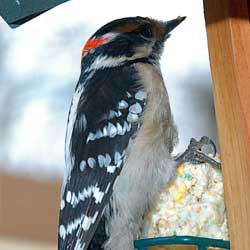
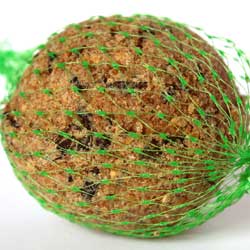
Suet is a high-energy brick of animal fat and other ingredients to attract insect-eating birds. Because it is high in fat and calories, it is a quick source of heat and energy for birds and has been used as a good substitute for the insects that birds usually feed upon, but are not plentiful in cold weather. Suet can be offered all year long but is especially important in winter. Why not offer suet to your backyard birds today?

Easy Suet Feeders

Providing suet in a wire basket or mesh bag is an easy, low-maintenance option. Depending on the numbers of birds feeding in your yard, you may only need to add a new cake or ball to the basket or bag once or twice a week. Birds will cling all over the feeder to access the suet, so even as the cake is nibbled away they can still reach the treat. While suet may be most popular in winter, you can leave it in your yard year round and birds will always visit, so there is no need to swap out the feeder or store it during different seasons. For the safest feeding, position any suet feeder 5-6 feet off the ground and near a tree trunk, shrubs or brush for birds to retreat easily if they feel threatened.

It is important to note that squirrels may love suet just as much as birds. Using wide baffles above and below the suet feeder can help keep squirrels away from the food and give birds a better chance to feed without interference. Choosing suet blended with hot pepper can also discourage squirrels, but birds have very limited taste buds and don’t mind the heat.

Birds That Love Suet

Presenting suet in your backyard will also attract a greater variety of birds for your enjoyment. The different birds that enjoy suet include…

  • Bluebirds
  • Bushtits
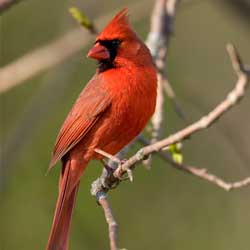
  • Cardinals
  • Chickadees
  • Jays
  • Kinglets
  • Mockingbirds
  • Nuthatches
  • Starlings
  • Titmice
  • Thrashers
  • Woodpeckers
  • Wrens

As more birds discover your suet feeder, your flock will grow and you may find you need to add a second, third or even fourth feeder to sate all those feathered appetites!


Feng Shui in the Garden

Feng Shui is the ancient Chinese philosophy that believes in attracting and guiding the flow of cosmic energy to influence your health, wealth and happiness. If you are already familiar with Feng Shui, you should know that it is assumed by many that the same fundamental principles that apply to your home also apply to your garden, maybe even more so since the energy in your home is brought in from the outside..

Feng Shui means ‘wind’ and ‘water.’ According to Chinese tradition, everything in the world contains ch’i, the cosmic life force. Ch’i means to flow freely like wind and water, but it is alleged that its movement can be blocked or trapped. This, it is believed, can cause disharmony or misfortune in your life. The movement of ch’i is thought to be influenced by several things such as colors, shapes and sound. The purpose of Feng Shui is to ensure that ch’i is flowing smoothly and gently without being allowed to stagnate or move too quickly. This harmony in your environment is understood to create harmony in your life.

Bringing Harmony to Your Garden

Feng Shui starts with basic gardening maintenance. Ch’i is believed to stagnate in areas where junk accumulates. Clean up your patio or deck and screen your garbage cans from view. Throw away any broken pots, planters or tools. Good cultural practices are also considered important in the flow of ch’i. Mow your lawn, pull up weeds, edge your beds and remove dead plants. Prune any broken or damaged limbs, stake plants and take steps to control insects and disease.

Ch’i requires smooth curves to flow. It is funneled by straight lines but impeded by sharp angles. It does not need to be costly or time consuming to remedy these types of structural problems. A straight walkway can be softened with the addition of curved beds on either side. You may also try planting perennials that mound or spill onto a walkway to break up straight lines. To help ch’i flow gently around corners, consider the addition of a tree, shrub or climbing vine. A curved bench or fountain is another option.

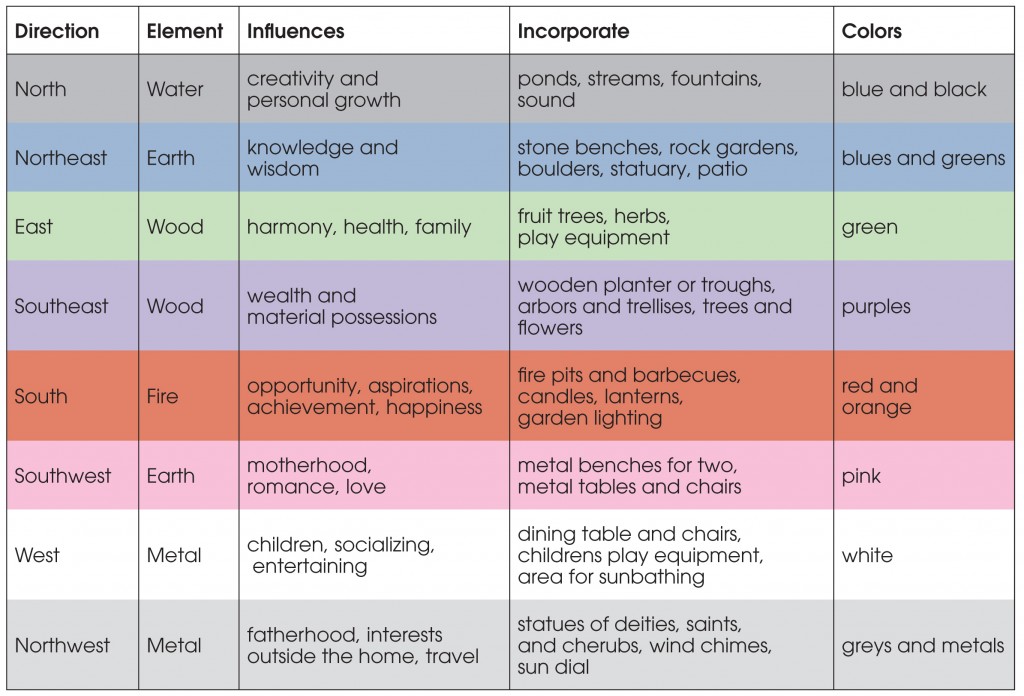
Bright colors, especially red, are used in Feng Shui to attract ch’i. Poor Feng Shui, it is believed, is remedied by placing the five elements recognized by the ancient Chinese – wood, fire, earth, water and metal – in their appropriate direction to beneficially affect the movement of ch’i.

Why not try some of the elemental remedies below in their appropriate directional orientations? They may assist with the flow of ch’i in your garden and perhaps you will reap the benefits of good fortune Feng Shui reportedly imparts.

Feng Shui Remedies

Feng Shui Guide

Feng Shui In The Garden

Kokedama: Easy How-To Instructions

Are you a gardener with a minimalist vibe? Well then, kokedama will give you all the right feels!

What is Kokedama?

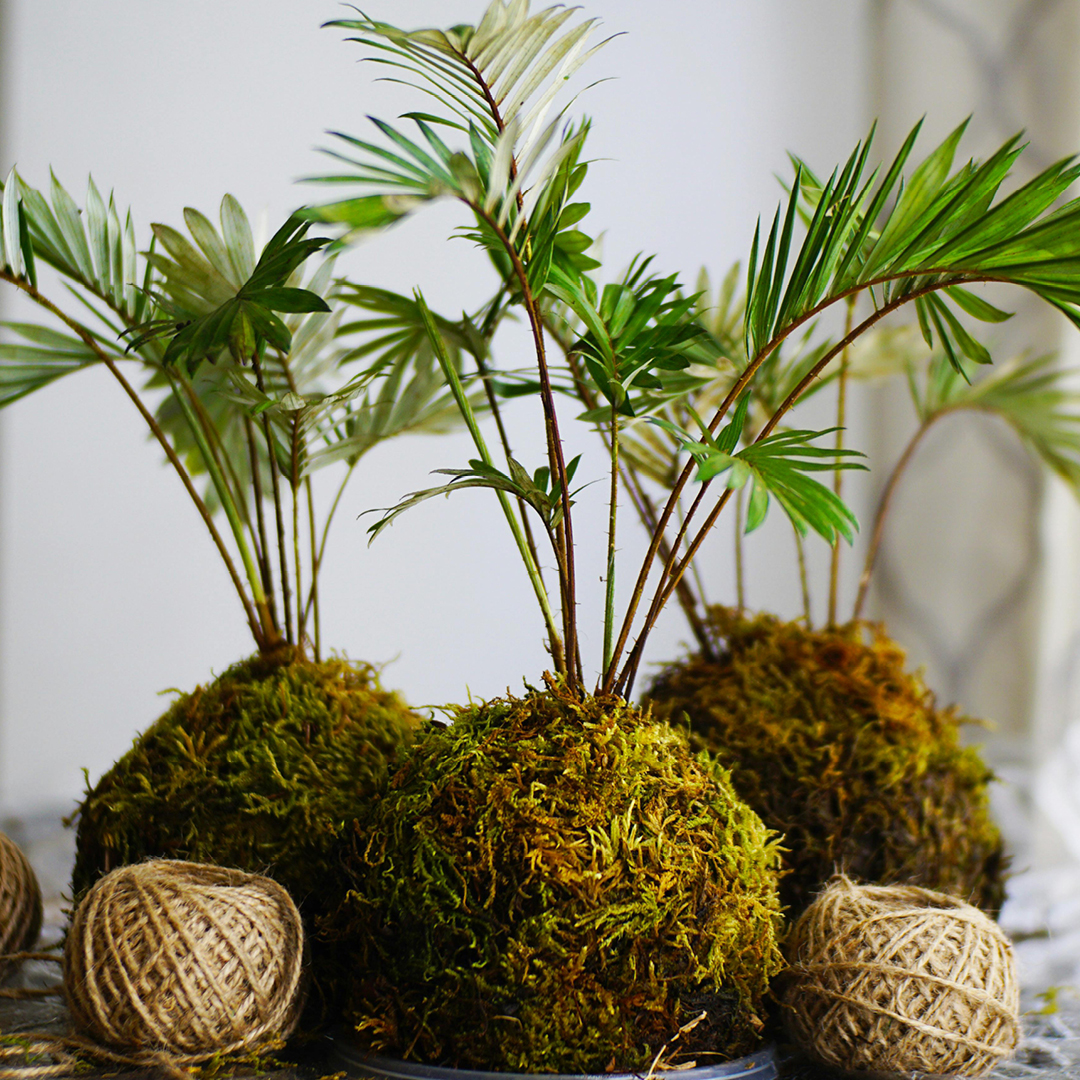
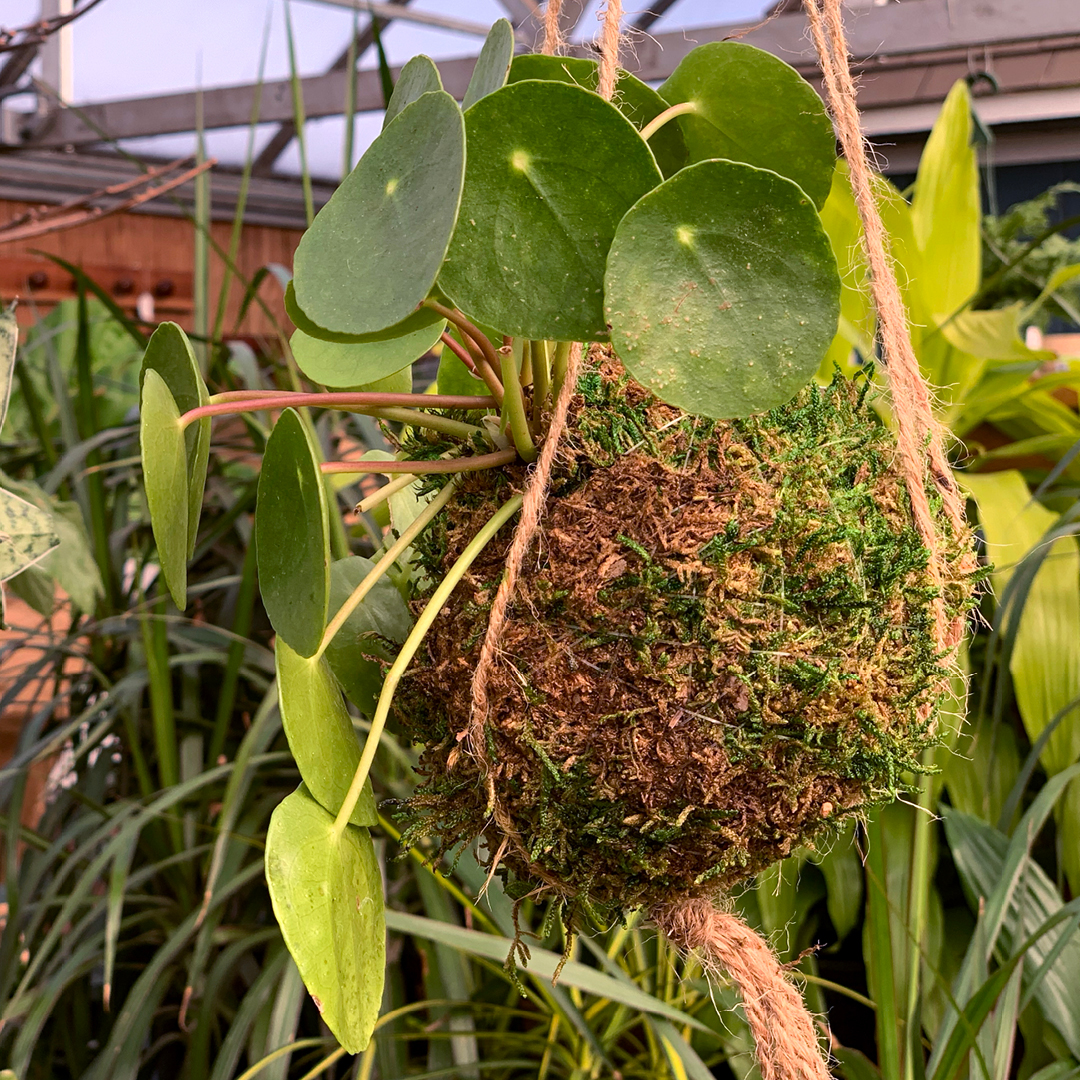
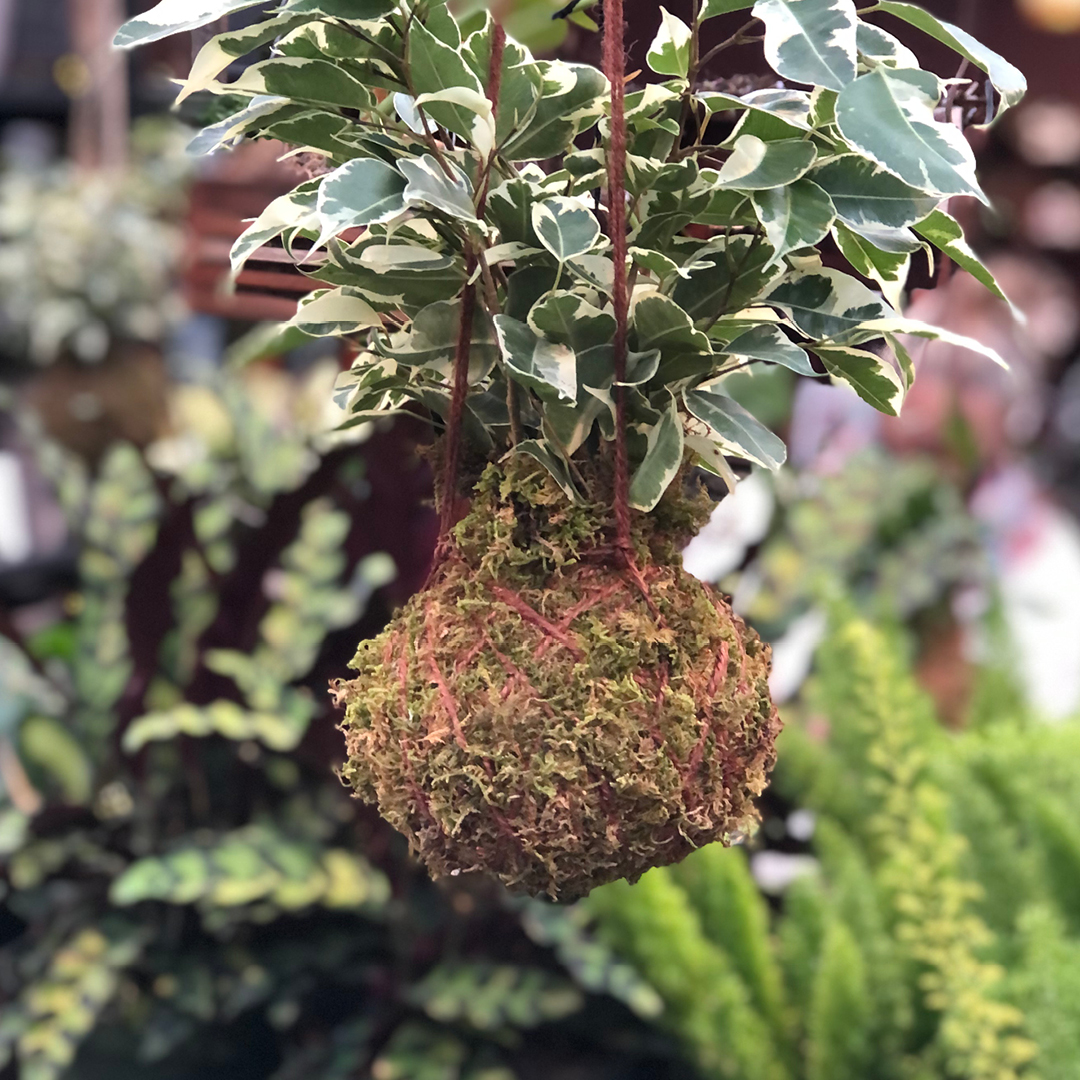
Kokedama, loosely translated as “ball of moss,” has become a popular trend in recent years, and for good reason. This Japanese art form eliminates planting pot use by wrapping moss around the root ball to create a beautifully minimalist plant display. If you’re interested in adding some greenery to your home and are looking for a space-saving option, then kokedama is for you.

One reason for kokedama’s recent surge in popularity is its practicality. Unlike traditional potted plants, kokedama is versatile and can be either hung in the home or placed in a saucer or bowl atop a table, shelf, mantle, windowsill, or other surface. Hanging as a display option is perfect for those with limited space. Additionally, kokedama is an enjoyable, easy, and unique way to create a stunning display that can last for years with just a little bit of maintenance. Also, it is an excellent winter gardening project that is fun for the whole family.

Materials

Before you start your kokedama, you’ll want to gather your materials, and it’s important to choose the right ones.

  • Plants
    Most small houseplants will do. We recommend African violet, anthurium, begonia, cyclamen, dracaena, ferns, peperomia, philodendron, pilea, and pothos as great beginner plants. Ease of care is important when selecting your plant, but more importantly, consider where you have the room to display your kokedama. You will want your chosen plant to be displayed where its light, temperature, and humidity needs are met.
  • Moss
    Select sheet moss, either fresh or dried.
  • Soil
    Any good quality potting soil will do. Potting soil with a bit of compost for nutrition and vermiculite for aeration is an extra good choice.
  • String
    It is best to avoid using jute or cotton string. These are attractive with a natural look but break down rather quickly compared to waxed string or fishing line.
  • Incidentals
    Scissors are the only tool necessary to cut the moss and string.

How To Construct

Once you have your materials, it’s time to get kokedama construction.

  1. Premoisten the soil just enough so that it maintains its shape when it is formed into a ball.
  2. Gently remove the selected plant from its pot, shake off excess soil, and mold the moist potting soil ball around the plant roots.
  3. Lay an adequate-sized piece of sheet moss flat and place the soil ball in the middle.
  4. Shroud the soil ball in moss, trimming away any extra.
  5. While holding the moss in place, tie a string loop around the soil ball.
  6. Continue to wrap the string around the ball, tugging as you go to keep it taunt until the moss is secured to the ball. Tie off the line and cut away the excess.
  7. Add a tripod of long strings, as long as you like, and evenly spaced around the ball. Tie them to the line that is wrapped around the moss ball.
  8. Gather the three strings at the top and balance the kodedama so it hangs correctly. You may eliminate this and the following steps if you choose to display it in a saucer or bowl.
  9. Fold the three strings down about three inches and knot them to create a hanger.
  10. Hang your kodedama and enjoy!

After Care

Familiarizing yourself with your chosen kokedama plant will assist you greatly in caring for it correctly. Depending on the type of plant you choose, you’ll want to make sure that all its needs are met.

  • Water
    Water as needed. Check every few days or so by sticking a finger through the moss to assess dryness. Water using a bowl, soak the ball thoroughly, and squeeze out all the excess water before rehanging.
  • Light
    Provide adequate light for your selected plant and position accordingly.
  • Humidity
    Humidity is necessary for all plants, but some more than others. Be sure to have a spray bottle filled with fresh water nearby. Mist your kokedama frequently, especially in the winter when the air indoors is particularly dry.
  • Feed
    Fertilize your kokedama during the growing season with a water-soluble houseplant fertilizer. Use at a quarter strength in the soaking water. Follow the manufacturer’s recommended instructions for frequency.
  • Groom
    Groom your kokedama as necessary, snipping off any browning bit and keeping vining plants in bounds.

In conclusion, kokedama is an easy and trendy way to bring some greenery into your life. With a little time and a few basic supplies, you can create beautiful, pot-less, hanging plant displays that will impress your friends and family.

Note: Succulents may be used for kokedama, requiring more light than most plants but less water, humidity, and fertilizer.

Kokedama
Kokedama
Kokedama

Seed Viability

The perfect way to spend a cold winter’s day is commencing this year’s veggie, herb, and flower gardens. The gardening season begins in earnest in February with seed-starting, and seed-starting begins with an inventory of necessary supplies. To prepare for this endeavor, you will need:

  • Seed-starting mix,
  • containers (flats, peat pots, cell packs, etc.),
  • labels and markers,
  • heat mats,
  • grow lights,
  • spray mister and watering can
  • and, of course, seeds.

If this is not your first seed-starting rodeo, you will already have a number of these supplies on hand and will just need to supplement your inventory where necessary.

But the seeds, what about the seeds? Can last year’s excess be used for this year’s plants? Let’s find out!

Leftover Seed

Don’t throw away leftover seeds! Most vegetable, herb, and flower seeds are viable for much longer than we may anticipate, especially when stored properly.

Instead, test the seeds to assess their viability. Here’s how:

  1. Dampen a paper towel.
  2. Place ten seeds, all from the same pack, on the paper towel.
  3. Gently fold the damp paper towel and slip it into a sealable plastic bag.
  4. Label the bag with the date and the seed name.
  5. Place the bag in a warm area in the home out of direct sun.
  6. For germination time, check the seed pack or look this information up.
  7. Check on seeds twice a week up until about a week after the advised germination timeframe.
  8. If one seed germinates of the ten, then you have a 10% germination rate; if five seeds germinate, then you have a 50% germination rate, and so on and so forth.
  9. Make your decision on using or discarding the seeds based on your personal preference for germination amounts. We recommend purchasing new seeds if germination is under 50%.
  10. Seeds pre-sprouted in paper towels may be planted in pots or cell packs and grown on.

It is important to note that even when stored under perfect conditions, seed viability will decline each year. Therefore, it is wise to test all older seeds every year. The exception is seeds that have already been determined only to germinate when fresh, one year old. These seeds are not worth the effort to test.

Seed Storage

Proper storage plays an important role in future viability when purchasing fresh seed. We recommend:

  • Storing seeds in a cool, dark environment. A refrigerator works well. If a refrigerator is not available, a cool basement will do.
  • Keeping the storage temperature as consistent as possible, avoiding wide fluctuations.
  • The relative humidity be maintained at less than 40% – store seeds in sealed glass jars or plastic bags.
  • Ensuring that the storage area or containers are varmint-proof.

Be sure to clearly and accurately mark your seed containers with the plant name and variety, the purchase or storage date, and any other important information you may find helpful in the future.

Seed Viability Charts
Clear Creek Seeds (https://www.clearcreekseeds.com/seed-viability-chart/)  offers an excellent seed viability chart on their website, which we have included here for easy reference.

New Year Gardening Resolutions

As a new year begins, so do our garden plans. Winter is now halfway through; day length is increasing, and exhilarating notions of having the best garden ever consume our thoughts almost daily. Here are some resolutions to help make your dreams come true this gardening season.

  • PLAN – A little garden planning goes a long way. Layout your garden design for vegetables, herbs, and flowers, even trees and shrubs, to maximize space, efficiency, and beauty.
  • IMPROVE – Healthy soil equals healthy plants. A soil test will tell you what needs improvement. Add the recommended amendments to feed both the soil and plants for a vibrant, beautiful, and productive garden. Resolving to stick to a regular weeding, feeding, and watering schedule will also help improve your garden results.
  • START – There’s just something special about starting seeds indoors. Maybe it’s the improved cultivar selection, the excitement of beginning a new gardening year, or simply getting your hands in the soil during the winter months. Whatever the reason, it’s beneficial to get a jumpstart on the season by starting and growing seedlings under grow lights.
  • TRY – This year, resolve to try something new every season. Experiment with one unusual vegetable, herb, or flower. This is an excellent way to increase both plant and garden knowledge and may result in a delightful, unexpected outcome.
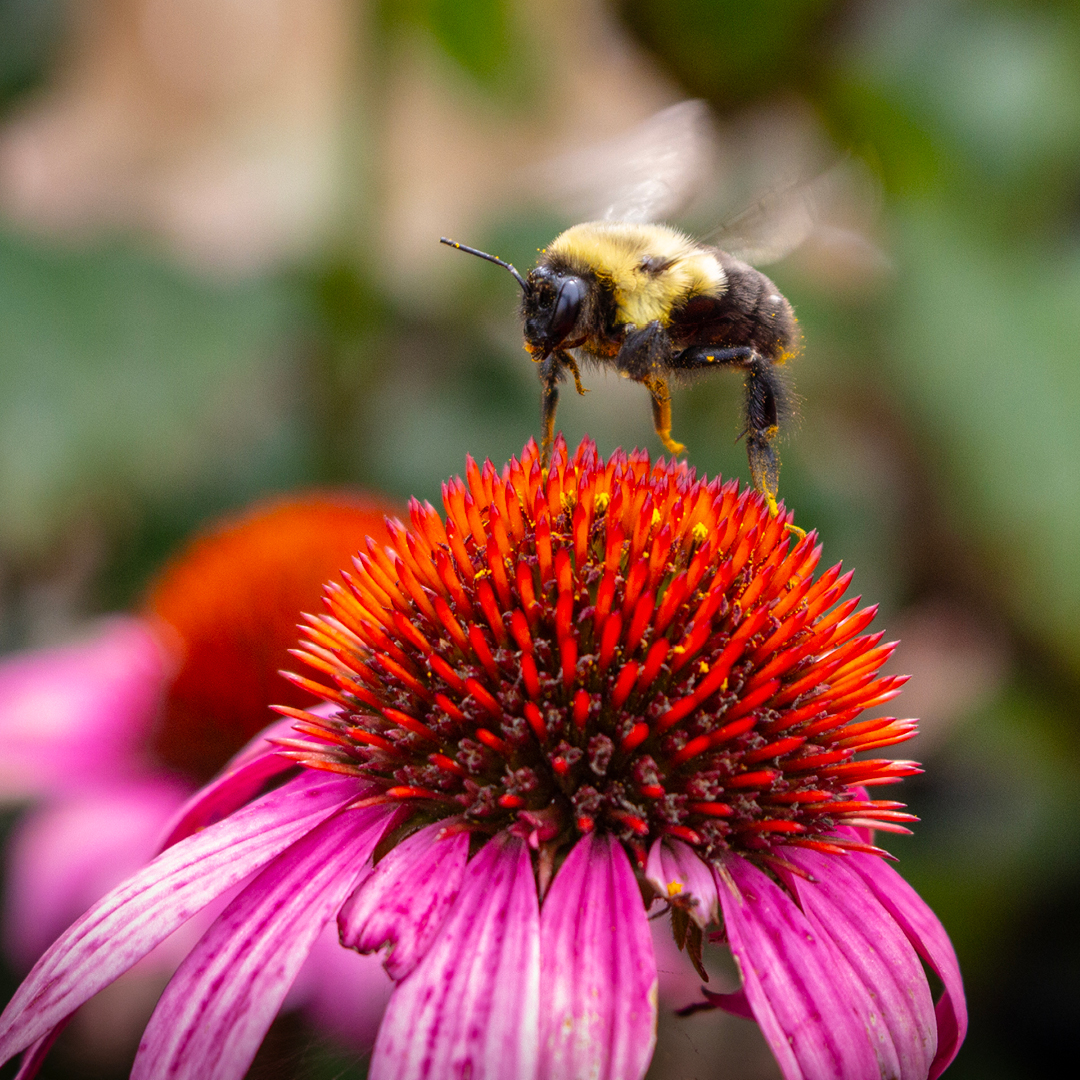
  • ATTRACT – Plant more bee-friendly plants to attract pollinators. Some of the best plants for this purpose are native. Be sure to include early, mid, and late-season bloomers to ensure that veggie plants are pollinated and producing and to keep pollinators active, plump, and happy all growing season long.
  • IMPART – What greater gift can you impart to children than a lifelong love of gardening? This year, involve the whole family, from youngest to oldest, by giving kids their own small plot, raised bed, or container to plant, nurture, and learn from.
  • PRESERVE – Don’t allow your hard work to go to waste. Harvest fruits, vegetables, and herbs at peak ripeness when they are their tastiest. Preserve the abundance. Can, freeze, or dry extra produce so you can enjoy homegrown all year.

This list will start you on your New Year’s gardening journey. Feel free to add to this list to personalize it. Use it to evaluate your successes at the end of the year and for planning purposes next January as you resolve, yet again, to have the best garden ever!

Insects In Winter

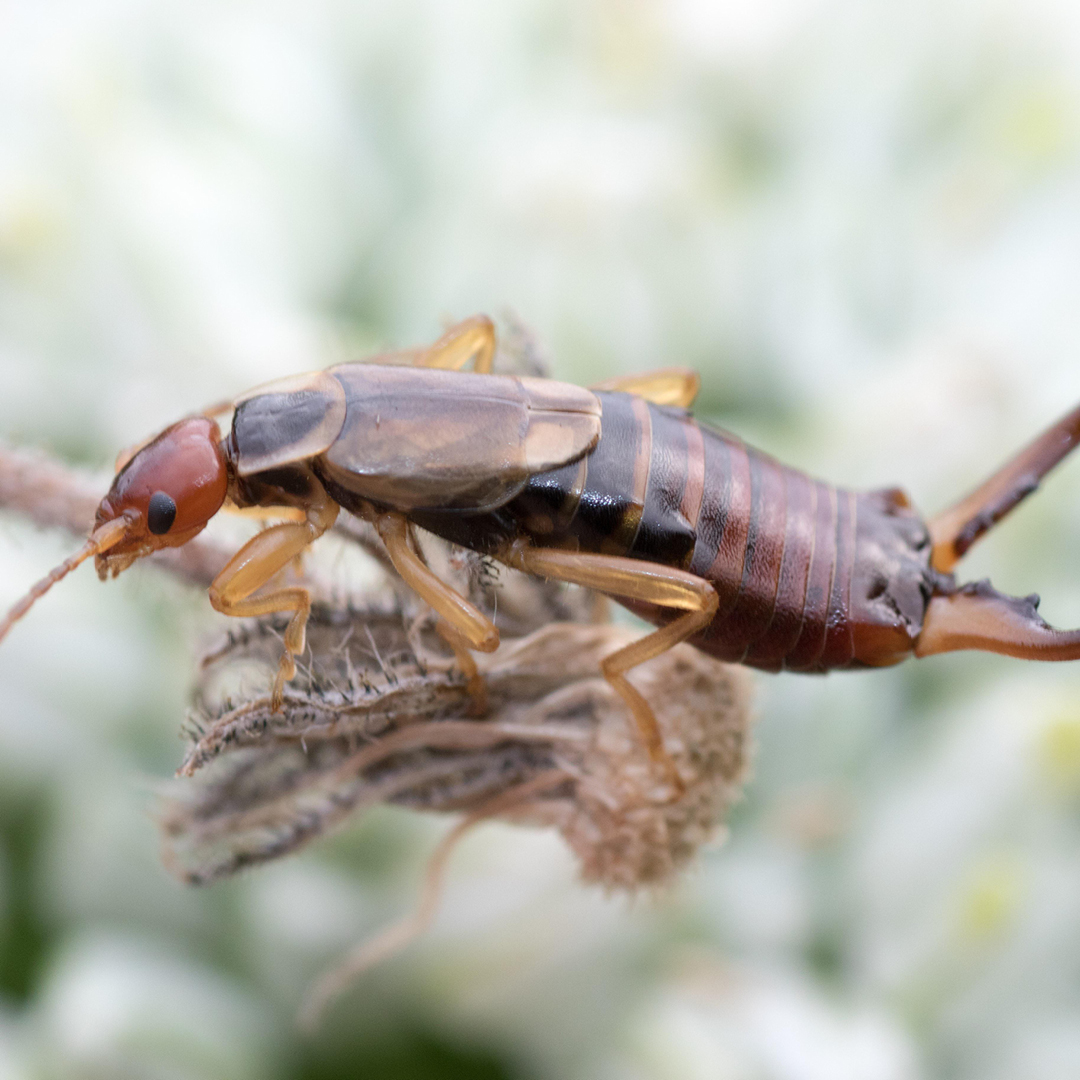
Now that we’re in the throes of winter, do you ever stop and think, “Where did all the bugs of summer go?”

With the onslaught of frigid temperatures along with snow and ice, gardeners and homeowners alike hope and pray that these weather extremes will reduce local pest insect populations. But do they?

Well, there’s both good news and not-so-good news on this subject. For some insects, life ends when the cold begins; that’s the good news (well, maybe – read along for more on this). However, insects are known survivors, so for others, over time, they have developed methods of survival; that’s the not-so-good news.

The Good (well, maybe)

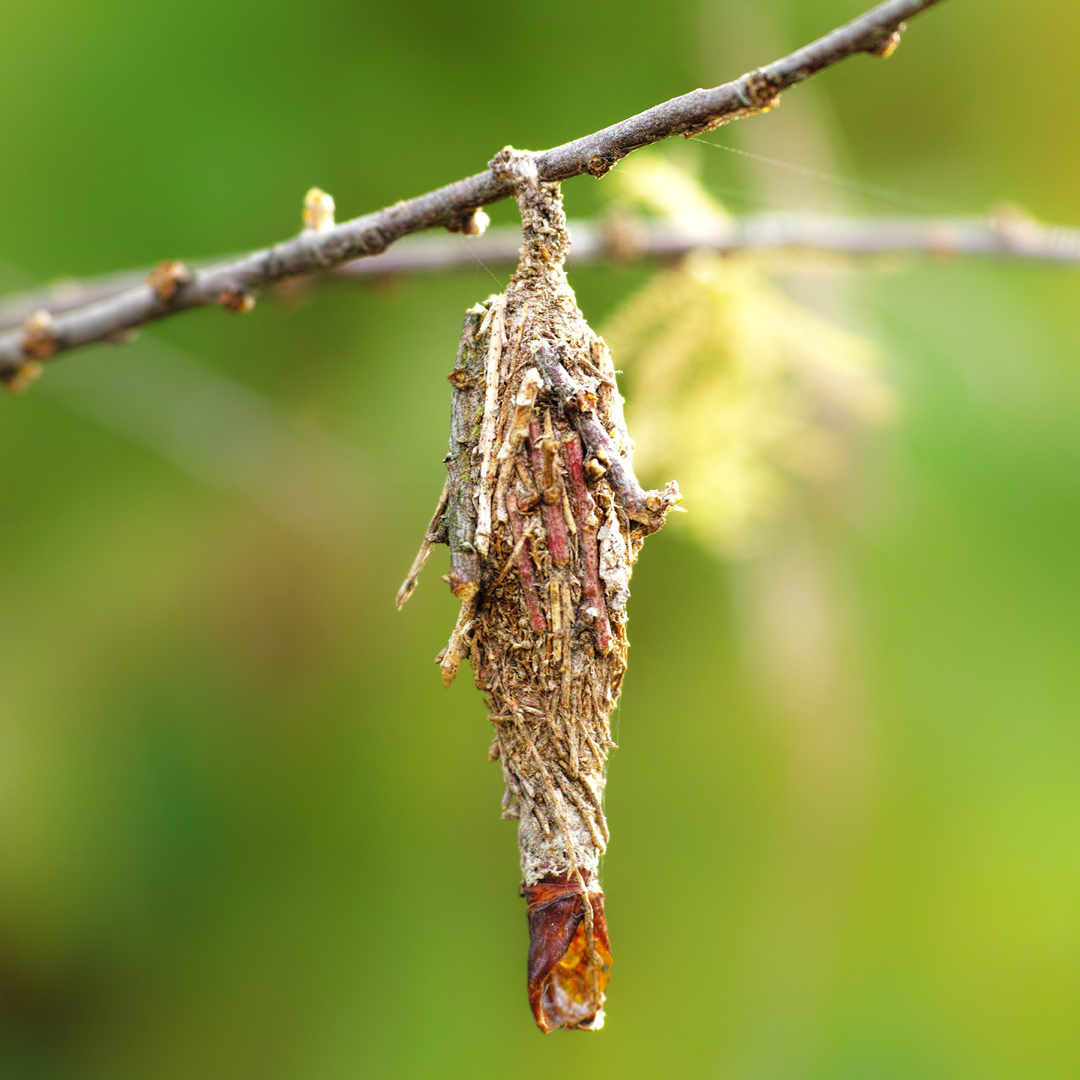
Let’s begin with the good news. Some insects die when the cold weather sets in. The only problem with this “good news” is that they have already taken steps to continue their legacy before they expire. Knowing that the end is near, these insects lay their eggs beforehand, ensuring a new generation come spring. If the eggs are laid above ground, there is a greater chance that they will not make it through a particularly harsh winter – this would include insects like bagworms whose egg casings hang from evergreen trees and shrubs where they are offered little protection from the elements. It also includes the red lanternfly, whose egg masses will not survive temperatures below 12 degrees Fahrenheit.

The Bad

As stated earlier in this article, many insects have developed a method for winter survival. Here are some of their tricks:

  • Migration – Just like some birds, some insects migrate to warmer areas to survive the cold.
  • Hibernation – Some insects have the capability of slowing their metabolism, just like a bear, to withstand wild winters.
  • Freeze Tolerance – A few insects that naturally come from areas with harsh winters have developed the ability to create a natural anti-freeze in their bodies to prevent ice from forming, thus ensuring their winter survival.
  • Freeze Avoidance – Still, other bugs simply avoid the bad weather. This is by far the most popular method of insect winter survival. These pests will bury deep into the soil, disappear into rotting logs and leaf piles, or slink into our homes for warmth and comfort.

The Reality

The reality is that you can’t count on winter to make a big difference in yearly pest control, even when the winter is extreme. It is far more effective to have several approaches in place to create an effective pest defense strategy.

  • Familiarize yourself with local pests and their lifecycles. As always, knowledge is power.
  • Make sure you know the difference between a “good” and a “bad” bug before attempting to eliminate them.
  • Monitor your home and garden regularly for pest infestations to gain the upper hand on any potential pest problem.
  • Stop by YOUR GARDEN CENTER for insect identification and the safest treatment recommendations, such as natural repellents, pest management tactics, companion plant suggestions, and beneficial insects.

Insects in Winter
Insects in Winter
Insects in Winter