Author Archives: Dammann's Garden Center

Care of Christmas Greens

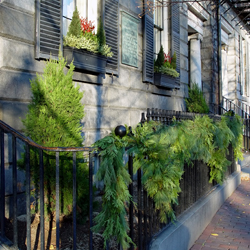
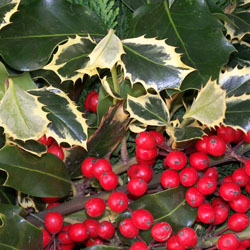
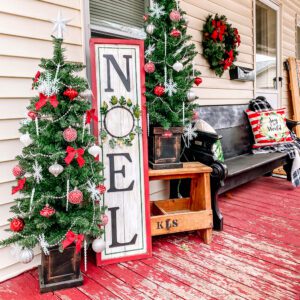
Fresh cut greens – pine boughs, holly sprigs, mistletoe, etc. – are wonderful for winter and holiday décor, both indoors and out. Extend the life and enjoyment of your fresh greens by following these easy steps:

  • SOAK – Immerse greens in cold water overnight or up to 24 hours. The needles will soak up moisture to stay plump and firm. A good location for accomplishing this task is in a utility sink or bath tub, but be sure the water won’t freeze while the greens are soaking. Use only fresh, plain water without any additives or chemicals.
  • DRY – Allow greens to drip dry for an hour or so in a well-ventilated area out of direct sunlight. This will remove excess water from the branch ends so they do not leak.
  • SPRAY – If desired, spray Wilt-Stop, an anti-transpirant, on greens when they are finished dripping. This will seal moisture into the needles extending the life of your greens. Do not use this on Princess Pine, and note that this product may change the color of blue-colored cut greens like Colorado Blue Spruce and Blue Juniper. Test the spray on an inconspicuous area first to be sure you don’t mind any changes.
  • DRY – Allow the greens to dry thoroughly after spraying and before decorating and hanging or arranging. This will be sure there are no water spots on any of your bows, accent pieces or ornaments that are part of your fresh arrangements.
  • COOL – Keep greens in as cool a location as possible, out of direct sunlight and away from any heat source, including heating vents, ceiling fans and air ducts. Moving arrangements of fresh greens onto a cool porch or into a garage each night can help extend their vibrancy.
  • BUNDLE – Arrange your fresh greens in dense bundles and bunches, either as wreaths, vase arrangements or swags. As a group, they will help keep each other fresh with slightly higher humidity between each green.
  • CLEAN – Keep fresh greens crisp and clean through the holiday season by dusting them lightly. Use only a clean, lint-free cloth without any sprays or chemicals. This will remove dust that may dim the arrangements, but chemicals could damage the greens or change their colors. Do not brush the greens so harshly that you may damage or dislodge their needles, foliage or berries.

With proper care, your fresh cut greens can be stunning holiday decorations for several days or weeks, bringing a touch of nature into your home even when the world is cased in ice and snow.

Holiday Staycation

No matter the reason, staying at home during the holidays doesn’t have to be a disappointment. Instead, a holiday staycation can be a true celebration of home and family, creating new traditions and making memories to enjoy all year round.

Benefits of Staying Home for the Holidays

It is normal to be disappointed if you’re accustomed to holiday travel but decide to stay at home instead. A positive attitude, however, can make all the difference for an enjoyable and festive holiday season. There are many benefits to staying home, including saving money, no travel stress, no need to pack, no crowds at airports, more time to relax, and ease of changing your plans for whatever strikes your festive fancy. When you stay home, you can sleep in or stay up late without worrying about missing a tour or activity, and you can be more flexible with all your seasonal fun. This is especially important, as you will soon discover there is so much to do, your holiday staycation – “holistay” – will be just as entertaining and enriching as any far-flung destination.

Ideas for Your Holiday Staycation

There are many fun and festive options to enjoy at home for a happy holistay, using your landscape, lawn, and garden to add to the excitement. Whether you choose just one activity as a focal point of your holiday or plan different options every day, you can make great memories and enjoy time with all your loved ones.

  • Decorate a Tree for Birds and Wildlife
    Invite your local wildlife to the holiday festivities with a deliciously decorated tree. Use softened suet or peanut butter to coat pinecones and roll them in seed for feeder ornaments or use fishing line or sturdy thread to create cranberry and popcorn strings as edible garlands. Use floral wire or ribbons to hold twigs into star or tree shapes for extra beauty on the tree, and fasten small ribbons or burlap bows to the tips of branches to catch birds’ eyes and attract them to the bounty.
  • Create Elaborate Snow Sculptures
    Go beyond snowmen when you use your whole yard as a canvas for an epic snow sculpture. You might create a giant figure or an intricate scene and using a variety of handheld garden tools can help you sculpt details with ease. A wheelbarrow or buckets will be necessary to haul extra snow from other parts of the yard to enhance your sculpture, and sturdy wire or garden stakes can help provide internal support for taller features.
  • Enjoy a Gourmet S’mores Night
    Clean off your firepit and get ready for holiday decadence with a gourmet s’mores night. Choose different graham crackers or other cookies for a base and opt for different chocolate bars – dark chocolate raspberry, white chocolate peppermint, sea salt, caramel, etc. – to experiment with rich and delicious flavors.
  • Host a Neighborhood Bonfire
    Create a larger festive gathering with a neighborhood bonfire in a portable fire pit in your driveway or front yard (safely, of course!). Consider a potluck-style gathering with everyone bringing their favorite holiday treats or provide hot drinks for everyone to enjoy. Outdoor games such as cornhole can easily be added to the fun for a bit of friendly competition.
  • Create Garden Gifts
    Give your crafty side a workout and make garden-inspired gifts for family members, friends, and neighbors. Dip pinecones in scented wax for festive fire starters or use clear glass or plastic ornaments to showcase a pine sprig, miniature pinecones, or dried flowers. Pine prunings can make beautiful homemade wreaths and swags, or river rocks can be painted into festive row markers or decorative accents.
  • Blend Homemade Potpourri
    Bring natural air fresheners into your holiday home with garden potpourri. A variety of plants can be dried for amazing scents, including lavender, lemon balm, rose buds, mint, pine, lemon verbena, rosemary, yarrow, geraniums, zinnias, and sage. Add dried apple or orange slices for a sweet accent, and a few drops of essential oil to enhance aromas. Give your homemade dried or simmering potpourris as gifts when wrapped in burlap and tied with ribbon or fill a clay pot or tin pail for a rustic diffuser.
  • Decorate a North Pole Fairy Garden
    Create Santa’s Workshop in a fairy garden with accessories from the garden center. A broken clay pot can easily be the base, and you can paint it white, red, green, or a combination of festive shades. Use sand and potting soil as the base to keep the garden from tipping and add miniature holiday décor to create a wonderland to enjoy.
  • Build a Natural Gingerbread House
    Instead of cookies that go stale and candy that falls off, use pieces of cardboard and natural decorations to create a faux gingerbread house with rustic accents such as pinecones, pine needles, acorns, twigs, dried flowers, and other garden-inspired beauty. Get the kids involved with creative decorations and create an entire village or nativity scene of natural beauty to decorate a large dining room table or mantle.
  • Make Soaps and Candles
    Add garden accents to luxurious gifts when you make homemade soaps or candles with garden-fresh herbs, dried flowers, pine needle and berry sprigs, or other great decorations. You can pour your own soaps and candles using holiday-themed cookie cutters or candy molds, or you can simply soften premade soaps and candles to press your garden accents into the surface for instant customization. Wrap the gift with jute twine or rustic ribbon and your gift is ready!
  • Plan a Holiday Scavenger Hunt
    Create a themed list of items to find and offer prizes for the winners in an at-home holiday scavenger hunt. You could include items from the landscape and garden, holiday decorations from around the neighborhood, or more widespread objects around your town. If you want to keep the hunt in your garden, colorful plastic pots or tin buckets are great for collecting all the items on the list – a sprig of berries, a funny-shaped rock, a piece of pine, etc.
  • Get Started With Indoor Gardening
    Even if the weather outside is frightful, you can have a delightful time with indoor holiday gardening. Pot amaryllis bulbs, paperwhites, or Christmas cacti to use as seasonal decorations or gifts or consider starting a savory herb garden to flavor soups, stews, gravies, roasts, and other meals all winter long. You can even add a tropical touch to your indoor landscaping with a potted lemon tree, palm, or other greenhouse favorites.
  • Take a Class
    Investigate winter classes hosted by your local arboretum, botanical garden, or our garden center. Classes may be online or in person. Many popular winter options may be available, such as garden-inspired crafts, wreath making, winterizing your landscape, how to start an indoor herb garden, terrarium-making classes, painting clay pots, or overviews on succulents, bulbs, seed starting, and other fun and informative topics. Some may be geared to children, some for adults, and some may be fun for the entire family.
  • Get Inspired
    Another day out can be just visiting a local garden center, botanical garden, or even walking around the neighborhood or a local park to get inspired for your own garden and landscape. Look for plants that offer winter interest or different arrangements, accents, and accessories that can be great to feature in your own yard. If you can’t identify the plants, take pictures so you can seek identification help from our garden center experts.
  • Plan for Spring
    Let your imagination sprout when you plan your spring garden during a holiday staycation. Gather books and magazines, visit a range of websites, and draw out the landscape plan of your dreams. Work in different colors adding plants to showcase during different seasons. Include wildlife-friendly features and practical details such as how to creatively store your garden tools, hoses, and other necessities to make your garden great. You can even start buying seeds, new tools, and accessories to be ready to go as soon as spring begins.
  • Create Epic Holiday Decorations
    Since you will be home during the holidays, make the most of your outdoor holiday decorating with an epic lighting scheme or themed display. Get creative by using plant stakes and tomato cages to create faux trees and supports for more elaborate light displays and add a welcoming accent with a holiday-themed porch pot or living wreath to greet any holiday guests.

There is a great deal you can do to make the most of a holistay, no matter why you may be staying home for the holidays or what your garden and landscape offer. By embracing what your home offers and getting creative with your holiday activities, you can make many amazing holiday staycation memories.


Precious Pollinator Bulbs

Did you know that spring blooming bulbs are vital to our precious pollinators’ health and even their existence?

After a long winter of hive hibernation and diminishing food reserves, honeybees will set out on warm, early-spring days seeking nectar and pollen to feed their hungry colony. It’s not only crucial that they have plenty of food early on but throughout the entire season as well.  Colorful flowers attract honeybees; however, they do have favorite colors and are most charmed by shades of blue and purple. 

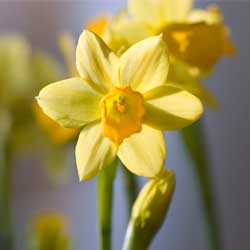
We’ve put together a list of the best fall-planted bulbs that bloom in a variety of alluring colors to entice and nourish our precious spring pollinators.  Tulips (Tulipa) and Daffodils (Narcissus) should be included in this list of important pollinator plants, and both of these offer several selections that will bloom in early, mid, and late spring.

Early Spring

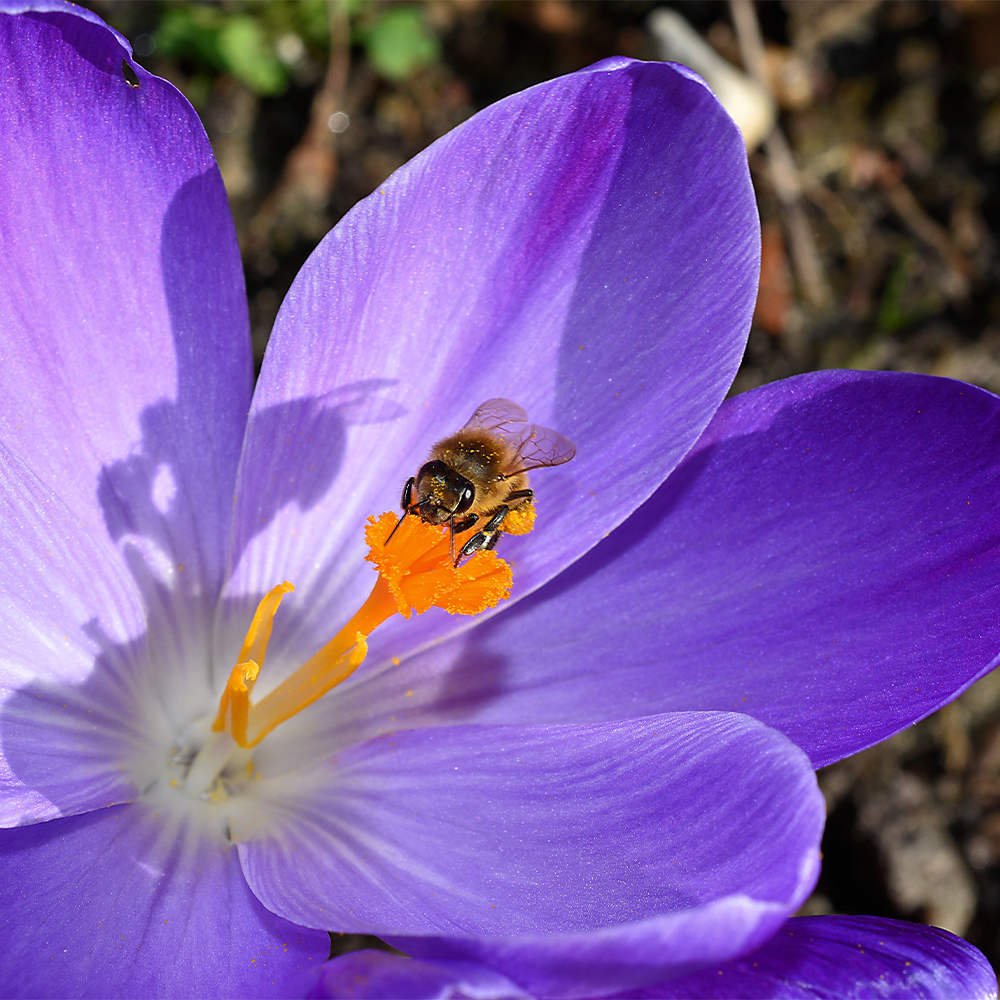
  • Crocus (Crocus)
  • Glory of the Snow (Chionodoxa)
  • Iris (Iris reticulata)
  • Siberian Squill (Scilla)
  • Snowdrops (Galanthus)
  • Wood Anemone (Anemone)

Mid Spring

  • Chequered Lily (Fritillaria)
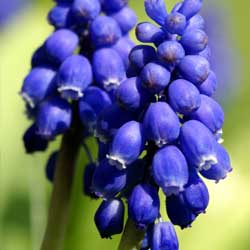
  • Grape Hyacinth (Muscari)

Late Spring

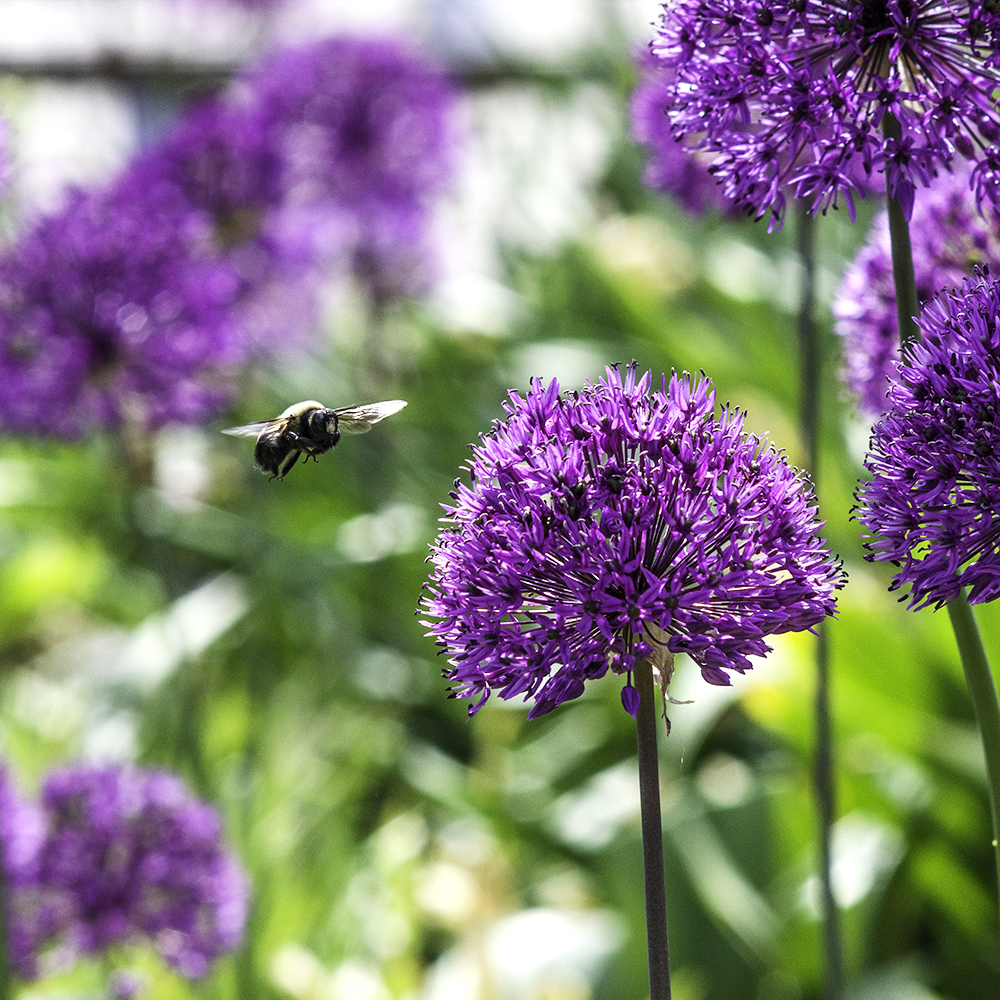
  • Ornamental Onions (Allium)
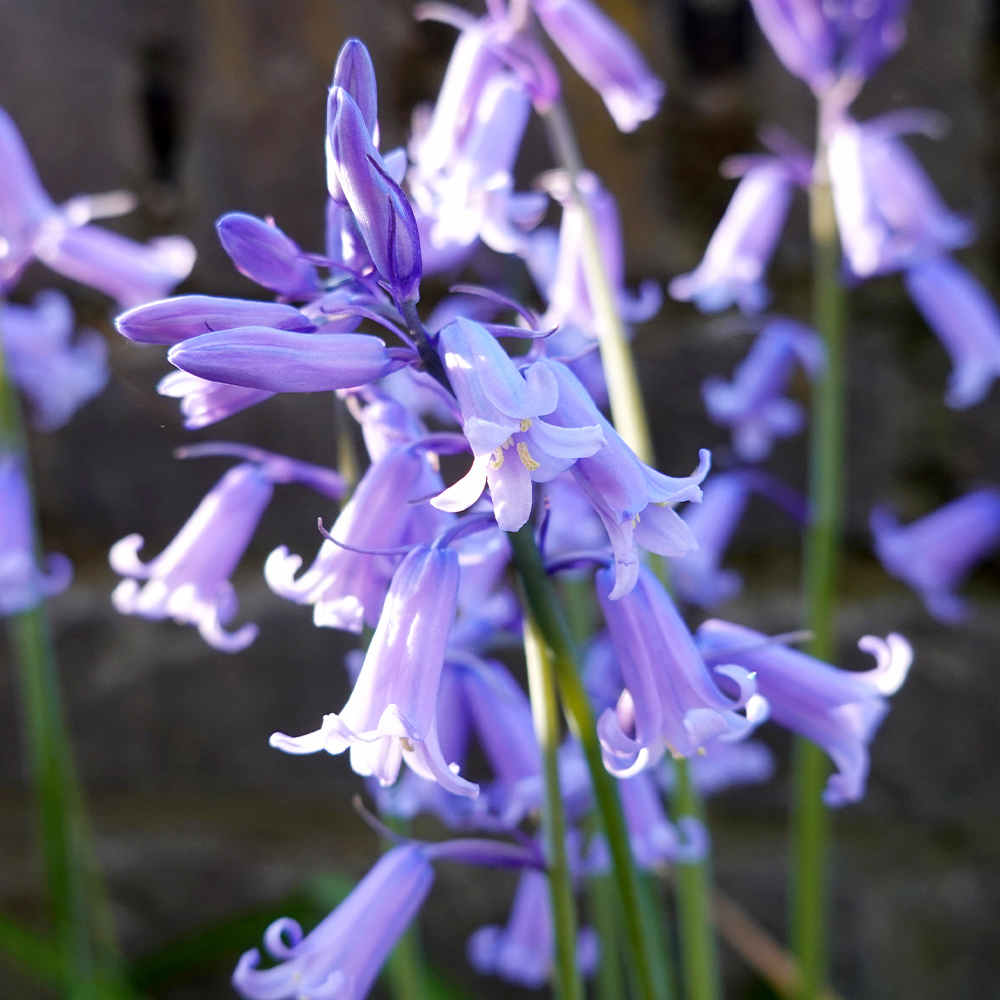
  • Spanish Bluebells (Hyacinthoides)

BULBS: EASY TO GROW

Because they require very little care and maintenance, bulbs are ideal for the busy gardener that wishes to protect our pollinators. There are just three simple steps to a lovely and lively spring bulb garden. 

  1. Dig: Dig the hole of an appropriate depth for the bulb size. The general rule of thumb: plant at the depth or three times the height of the bulb. 
  2. Drop: Drop the bulb in the hole, covering it firmly with soil and a layer of mulch if desired.
  3. Done: That’s it – the bulb will do the rest with the nutrients it has stored. Just be sure it has water at the appropriate time, and the blooms will amaze you.

All About Amaryllis

A bold, flowering bulb, amaryllis is popular for its winter blooming habit and makes a colorful indoor plant as well as a great gift for anyone with a green thumb. But how much do you really know about these familiar flowers?

What Is Amaryllis?

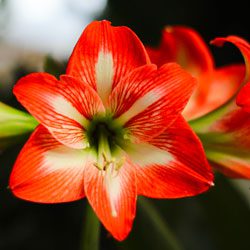
These plants are part of the flowering bulb genus Hippeastrum, which is native to South America, Central America, Mexico and the Caribbean in tropical and subtropical regions. It must be noted that the familiar amaryllis can easily be confused with the genus Amaryllis, which is actually native to southern Africa and is most successful only when grown outdoors. Hippeastrum flowers, on the other hand, thrive indoors and are widely sold as gifts and houseplants in the winter months.

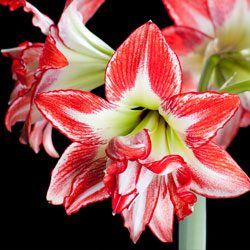
Hippeastrum bulbs range from 2-5 inches in diameter and are relatively fleshy. Each bulb will produce several spear-like, stiff leaves that can reach 12-20 inches long. Along with the foliage, each bulb can produce 1-2 long stems that will yield 2-12 trumpet-shaped flowers with large, triangular petals. The bloom colors range from white, red, orange, salmon, pink and peach to deeper hues of burgundy and purple. Variegated and striped blooms are also popular.

Blooms may last for several weeks, and the foliage can persist long after the blooms die.

Potting and Caring for Amaryllis

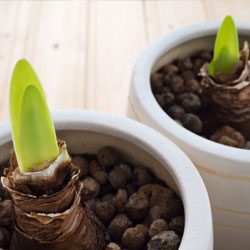
Unpotted, dormant bulbs should be stored in a cool (55 degrees Fahrenheit), dark, dry location. Before planting, the bulbs should be brought to room temperature, and the roots can be lightly rehydrated in lukewarm water for an hour or two before planting, but the base of the bulb itself should be kept dry to minimize the risk of rot. While these bulbs will bloom in water – they’re often sold in clear, decorative vases with the roots reaching into water and pebbles used as a planting medium – they will do better when properly planted, which will also encourage reblooming.

The best pot for a single amaryllis bulb will be just an inch wider than the bulb’s diameter, or several bulbs can be planted together in a larger pot for a more dramatic display. Because these flowers grow so tall, however, the pot should be heavy enough to support their size. If necessary, adding several rocks or a layer of gravel to the bottom of the pot before planting will help balance the weight to keep the arrangement stable, and a deeper pot will also provide adequate room for root growth. It may also be necessary to add a stake to support the tall flower stems, but be sure not to damage the bulb when adding a stake to the pot.

Rich potting soil is essential for the best amaryllis blooms, as these bulbs grow vigorously and require adequate nutrition to reach their full potential. When planting a bulb, it should be submerged in the soil up to its neck, but leaving the top quarter of the bulb uncovered. The soil should be tamped firmly to support the bulb. Place the pot in a warm, sunny spot when foliage emerges, and rotate the pot daily as the plant grows taller to ensure straight, upright growth that will better support heavy flowers.

Gently water the bulb until the first stems appear, but take care not to overwater the pot or the bulb and roots may rot. As the plant grows taller and the blooms emerge, more watering will be needed to keep it adequately moisturized.

It may take 7-12 weeks for an amaryllis to bloom, depending on the type and size of bulb, its growing conditions and the care it receives. Larger bulbs that produce more flowers will generally take longer to bloom, while smaller bulbs will have shorter flowers but will bloom more quickly.

After the Bloom

Because these plants are popular every holiday season, many people discard amaryllis bulbs after they have stopped blooming. It is possible, however, to encourage reblooming with the proper care.

After the flowers have faded, deadhead the blooms but leave the foliage intact. Sharp flower-pruning shears are best to avoid tearing the stem or causing it to bend or break. Your Amaryllis should be placed in the sunniest spot available, continue to water as necessary and monthly feeding should ensue. This will encourage leaf production which with photosynthesize adding nourishment to the bulb enabling it to produce flowers again next winter. Move the plant outside once all danger of frost has passed to a sunny location. Continue to water and begin fertilizing every other week.

If you want to control when your amaryllis blooms again, you will need to encourage the bulb to go dormant. This is done by stopping fertilization, allowing the soil to gradually dry out, and reducing sunlight and temperature so leaf production slows and eventually stops. The dormant period will generally last 8-10 weeks, so, if you would like your Amaryllis to bloom for Christmas, mid-August is the time to begin this process. When leaves brown naturally, cut them back, remove the bulb from the dry soil, wrap it in newspaper and store it at around 55 degrees Fahrenheit for 8 to 10 weeks. After this dormant period, repot the bulb in fresh soil and begin watering again. The bulb will start to produce leaves and flowers won’t be far behind. With the proper conditions and care, you can keep your amaryllis blooming for years to come.

Amaryllis flowers are attractive and bold, perfect for brightening any indoor landscape during a cold and dreary winter. By understanding these flowers and their needs, you can provide them with proper care to ensure they always look their best.




Forcing Bulbs for the Holidays and Beyond

Blooming baskets and pots of brightly colored forced bulbs make a fabulous holiday or winter gift for others and ourselves. What better way to dress up the holiday home or cheer up a long, cold winter, reminding us of impending spring?
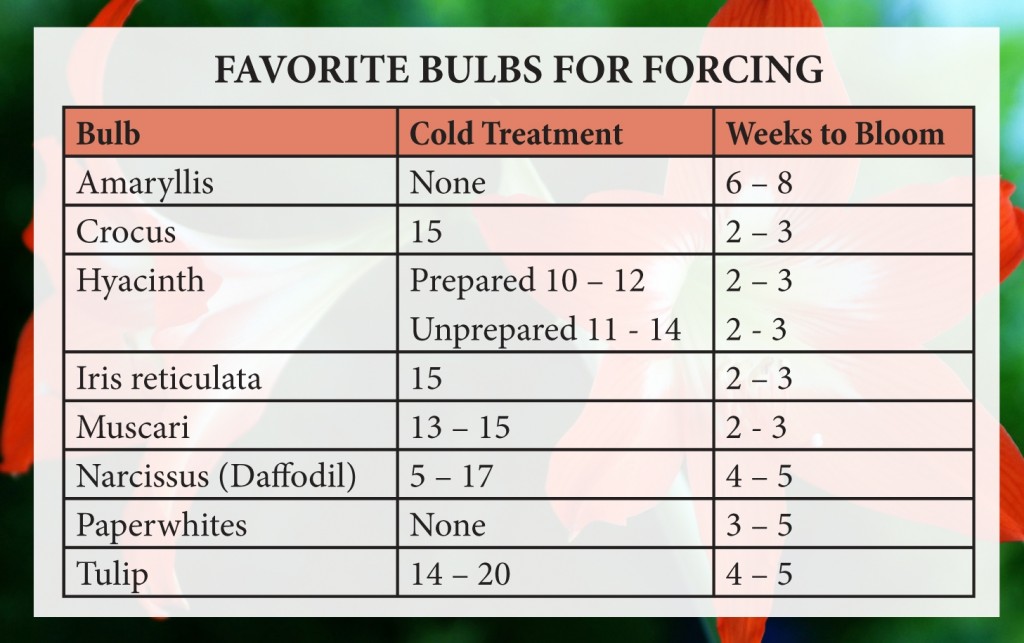
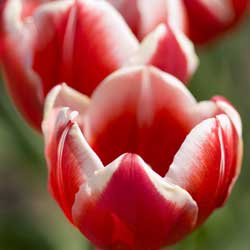
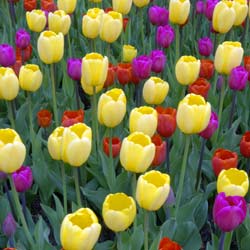
The forcing process should begin in September or early October if you want the bulbs to be blooming when given in late November or December. If you are starting late, no worries, just print these easy instructions to give with your potted bulbs and let the recipient do the rest.

Forcing Bulbs in 10 Easy Steps

  1. Count backwards from the desired bloom date the number of weeks required for bloom plus the number of weeks required for cooling. This is the planting date. To use your forced bulbs as a blooming Christmas gift, you will have to plant in September.
  2. Select a container that has drainage holes and is at least twice as tall as the unplanted bulb. There is an exception for paperwhites that you plan to grow in stone. These should be placed in a container without drainage holes.
  3. Mix a good bulb fertilizer into your potting soil according to directions on the package.
  4. Fill enough of your container with potting soil so that when the bulb is placed on top of the soil the tip of the bulb sits slightly above the lip.
  5. Place your bulbs on top of the soil. Keep them close without touching each other or the container.
  6. Continue to fill the area between the bulbs with soil. Fill until slightly below the lip.
  7. Water the soil gently, allowing excess to drain.
  8. Refrigerate potted bulbs for the appropriate amount of time. Check frequently and water as necessary to keep the soil moist.
  9. Gradually acclimate planted bulbs to a warm, bright location when their required cooling time has been completed. Move back out of direct sun and into a cooler location when the bulbs finally flower to prolong the blooms.
  10.  Rotate container frequently to produce straight stems.

Post Bloom

After flowering, cut back flower stems and place your containers back in full sun. Continue to water until the foliage dies back naturally. When the foliage is completely spent, place containers in a cool, dry place until early next fall when the bulbs may be safely planted into the garden. Forced bulbs cannot be forced a second time. Paperwhites will never bloom again and should be discarded after forcing. Previously forced bulbs, after planting in the ground, may skip a year’s bloom but will eventually return to their former beauty and regular schedule.


Applying Horticultural Oil or Neem Oil

Autumn is an excellent time to apply All Seasons Horticultural Oil or Neem Oil. The oil smothers many soft-bodied insects and hard-shelled scales that are impenetrable to many insecticides, and can therefore help control some of the most stubborn insect populations. But is it right for your plants?

About Horticultural and Neem Oils

Horticultural oil, or hort oil, is typically derived from petroleum, and is a type of ecologically-friendly mineral oil. Some cottonseed and soybean oils can also be effective horticultural oils. Emulsifying agents are typically added to these oils so they can be mixed with water and used as a spray, which helps distribute them evenly over plant foliage to be most effective.

Neem oil can control pests that are trying to overwinter in your potted plants. You can apply it on upper and lower leaves. Use neem oil as a preventative for established infestations and horticultural oil to eliminate eggs.

Pests That Don’t Like Horticultural Oils

Different types of horticultural oils can be effective against many unwanted garden pests, including…

  • Spider mites
  • Aphids
  • Whiteflies
  • Mealy bugs
  • Psyllids
  • Lace bugs
  • Caterpillars

In addition to smothering the larvae or insects directly, the heavy oil also makes it difficult for many insects to crawl therefore starving them to death and preventing them from spreading diseases from plant to plant. Additionally, the oil repels many insects looking for winter homes. The oils also act as fungicide against powdery mildew, rust and leaf spot on some plants.

Applying Horticultural Oils

Application of horticultural oils is easy, requiring only a simple hose-attached sprayer. Because oil and water do not mix, frequent agitation by shaking is required even if the oils are mixed with other agents to be more sprayable. These products are most effective if applied when plants are dormant, since oil-based products can burn and harm actively growing foliage, buds, flowers and fruit. Some lighter weight, summer-formulated oils are available, but they should be used only sparingly and only if absolutely necessary. Autumn and winter are the best seasons to apply horticultural oils when insects are a problem, though autumn applications can occasionally cause problems with plants dying back and other winter damage. Because the oils can evaporate and dissipate quickly, they should only be used when insects are present, otherwise they will be ineffective. In freezing weather the oil coverage will be inconsistent, so cool but not bitterly cold temperatures are best.

Of course, always follow the instructions for proper application rates, plant sensitivity and ideal weather conditions to ensure the most effective treatment. Because these oils are still pesticides, protective gear such as gloves and goggles should also be worn to avoid accidental irritation or more severe contamination.

Using  oils can be a great way to control insects on your plants, but only if the oils are used appropriately. Come in for a consultation to see if these products can help end your insect problems.

Mulching: Perfect Timing, Tools, and Technique

Mulching your garden is more than just a seasonal ritual; it’s an investment in the vitality and lasting beauty of your landscape. Done right, mulching protects roots, nurtures the soil, suppresses weeds, and boosts curb appeal. But the real secret isn’t just that you mulch, but when, how, and with what.

If you’ve found yourself eyeing your garden beds and wondering when to refresh your mulch, you’re not alone. Nearly every gardener, from passionate weekend warriors to seasoned pros, wants lush, healthy beds and weed-free paths. The right mulch, applied at just the right time and with the right techniques, can make all the difference.

The Science & Benefits of Mulching

Before you break out the pitchfork, it helps to know why mulching is such a tried-and-true garden practice. Here are just a few real-world benefits:

  • Conserves moisture by reducing evaporation, keeping plants hydrated through hot, dry spells
  • Suppresses weeds by blocking sunlight, making it hard for unwanted plants to sprout
  • Regulates soil temperature, protecting roots from extreme summer heat or winter cold
  • Prevents soil erosion by breaking the impact of rain and wind
  • Adds nutrients (with organic mulches) as the material decomposes
  • Beautifies beds with a tidy, uniform look that boosts landscape aesthetics

Spring or Fall: When Should You Mulch?

You’ve got options, and each season offers unique perks for your plants and property.

Spring Mulching

Early spring mulching is the most popular choice, and for good reason. Applying a fresh layer just as the soil begins to warm in mid-to-late spring locks in the season’s moisture and sets your landscape up for a thriving summer. Here’s why:

  • Conserves water: Keeps roots moist as plants come out of dormancy
  • Prevents early weeds: Suppresses invasive growth before it takes hold
  • Regulates soil temps: Shields new roots from late-spring temperature swings

Pro tip: Wait until the soil has warmed up (mid or late spring). Mulching too soon over cold, wet soil can stifle root development or create a breeding ground for rot.

Fall Mulching

Don’t underestimate the power of a fall mulch! Laying down a layer just after the first frost but before the soil freezes helps:

  • Protect roots: Shields perennials, shrubs, and young trees from freeze-thaw cycles
  • Reduce erosion: Holds soil in place during heavy fall rains or melting snow
  • Maintain beds: Keeps your garden looking tidy and ready for spring

Pro tip: For ultimate protection in regions with especially harsh winters, use both! Apply a lighter layer in spring to control weeds and moisture, then top it up in fall for winter insulation. Just don’t overdo the depth with multiple layers.

Assess: Don’t Automatically Reapply

Heavy rain or the first warm days of spring often leave your mulch looking less than perfect. But resist the urge to simply pile on more. Instead:

  1. Inspect your beds: Has the mulch shifted, compacted, or developed mold?
  2. Fluff and redistribute: Use a rake or pitchfork to lighten and reposition mulch, improving airflow and allowing the soil to breathe and dry.
  3. Remove and refresh: If mulch is extremely soggy, moldy, or waterlogged, scoop out the affected area and allow the soil to dry before adding a new layer.
  4. Spot top-up: If mulch has thinned after winter, just add a light top-dressing. Too much mulch at once can suffocate the roots.

Master the Art of Mulch Application

Proper technique matters as much as timing. Here’s your step-by-step for flawless beds:

  • Prepare the area: Weed thoroughly and install bed edging to keep mulch from spilling.
  • Choose your base: Apply directly to soil or over landscape fabric. Avoid plastic sheeting, which blocks water and air.
  • Depth rules:
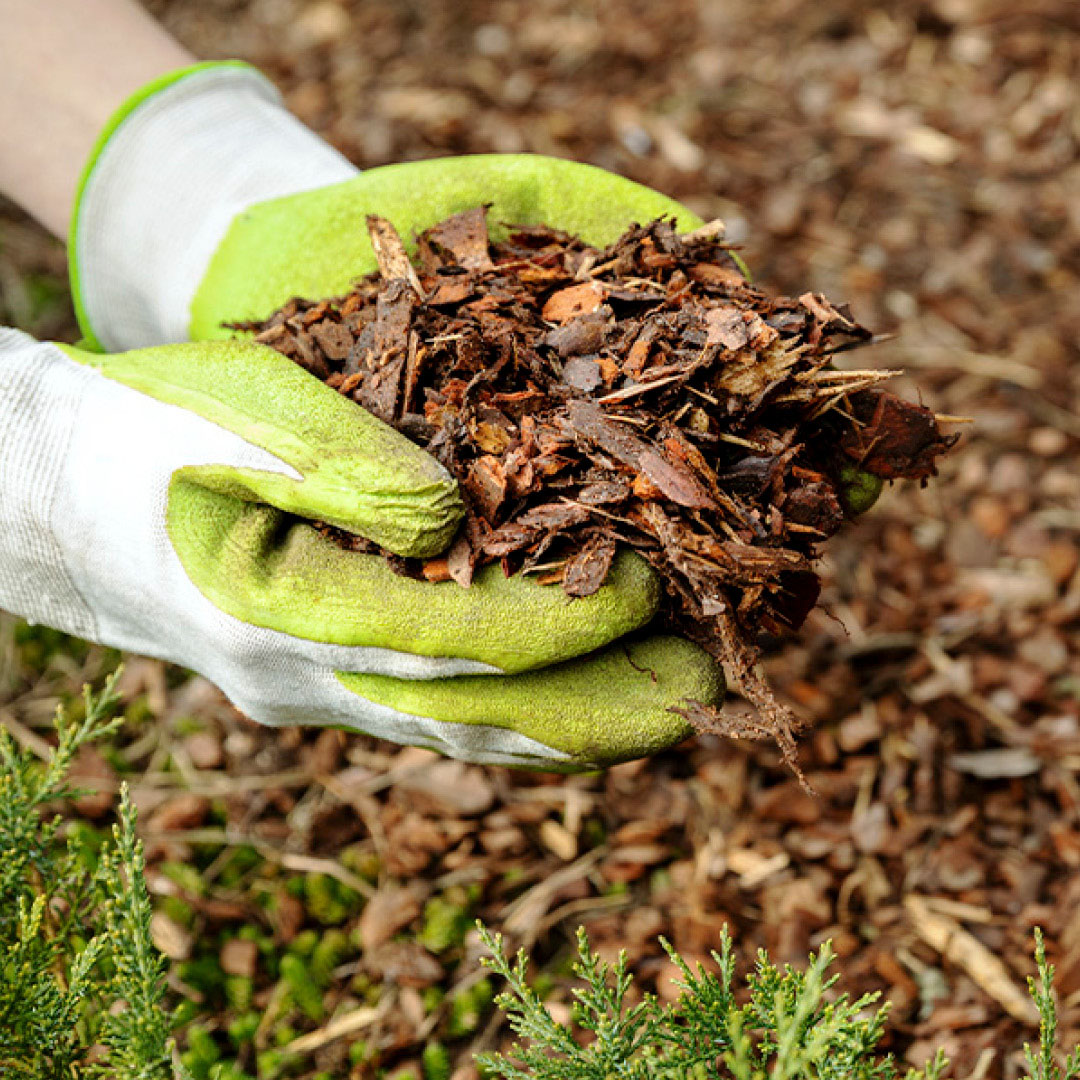
    • Coarse materials (like bark nuggets): up to 4 inches
    • Fine shredded mulch or straw: 2-3 inches
  • Steer clear of trouble:
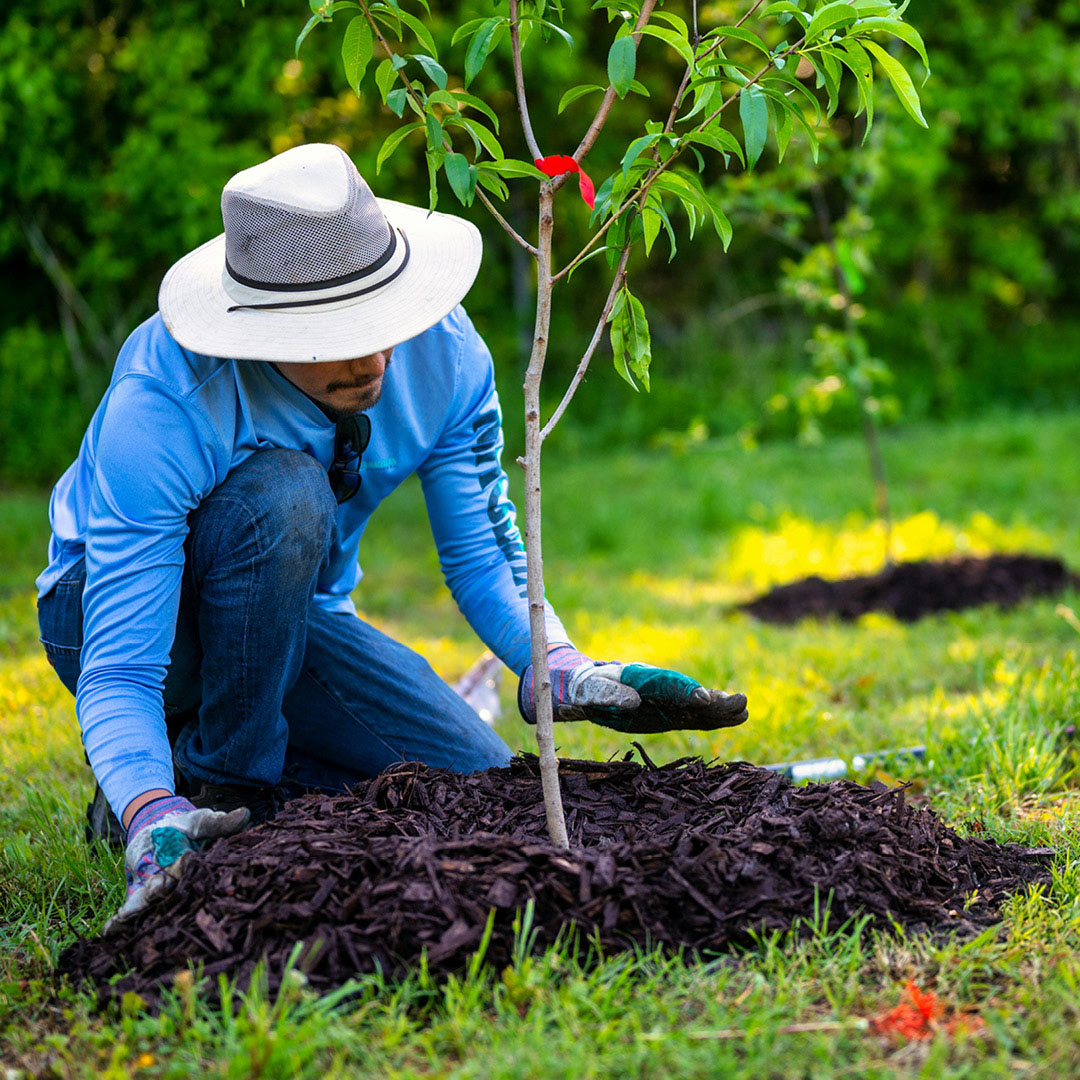
    • Never mound mulch against tree trunks or plant stems.
    • Always leave a 2-4 inch gap to create a donut shape, not a volcano! This promotes airflow, prevents moisture buildup, and protects your plants from disease and pests.

Which Mulch Type is Right for You?

Choosing the right mulch can make all the difference:

  • Organic mulches (shredded bark, compost, straw) enrich the soil as they break down.
  • Inorganic mulches (stones, rubber, landscape fabric) may last longer, but won’t add nutrients.
  • Colored/dyed mulches add visual interest, but be sure to check for plant safety and colorfastness.

Visit our garden center for expert recommendations and eco-friendly options tailored to your specific climate and soil type.

The Ultimate Mulching Toolkit

Having the right tools makes mulching faster, easier, and easier on your body:

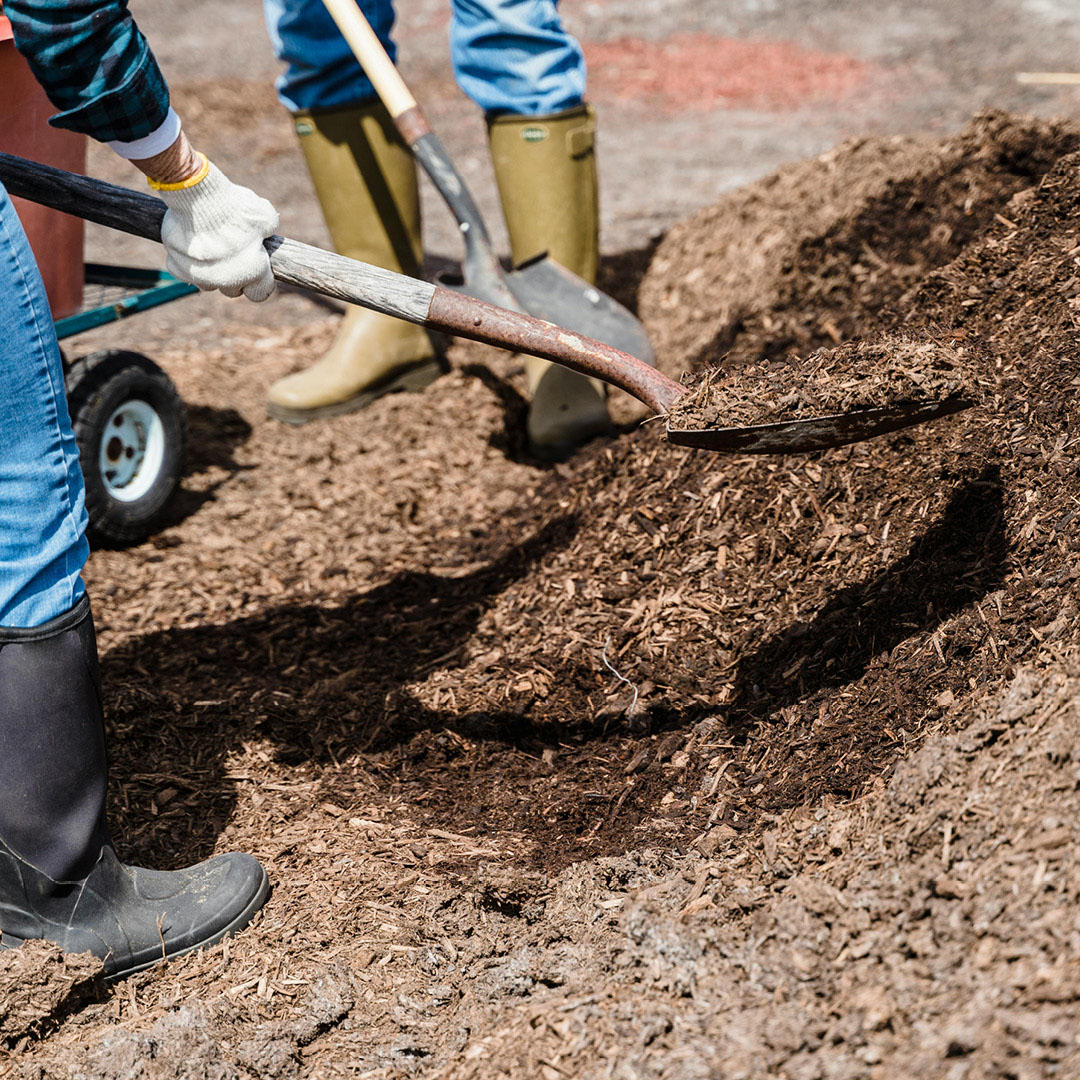
  • Wheelbarrow or garden cart: Essential for hauling mulch around efficiently
  • Mulch fork or pitchfork: Perfect for fluffy, bulk mulch materials
  • Flat shovel: Ideal for spreading and edging with precision
  • Garden rake: Evens out layers and helps refresh compacted mulch
  • Gloves: Protects your hands from splinters, dyes, and allergens
  • Mulch mover or scoop: Ergonomic options reduce back strain and speed up the process
  • Landscape edger or edging spade: Keeps borders crisp and mulch where it belongs
  • Mulch blower: For large properties, save time by renting a blower or hiring a pro install team

Beyond the Beds: Additional Mulching Tips for Smarter Gardens

  • Use mulch around vegetable gardens to conserve moisture and reduce weeding (but opt for undyed organic materials).
  • Refresh high-traffic areas: Paths and playgrounds benefit from regular top-ups for safety and appearance.
  • Consider leaf mulch: Shredded leaves from your own yard are a cost-effective, sustainable option.

Common Mulching Mistakes (and How to Avoid Them)

  • Over-mulching: More isn’t always better. Too much can deprive roots of oxygen, leading to poor plant health.
  • Ignoring drainage: Never apply mulch over soggy or saturated soil. Allow for drainage to avoid root rot.
  • Wrong mulch for plants: Certain plants thrive with specific mulches (roses love compost, while acid-lovers benefit from pine needles).

Mulch Intentionally for a Healthy, Thriving Landscape

Mulching is more than a chore. It’s one of the best ways to nurture a healthy, resilient landscape that turns heads and keeps maintenance manageable. Follow these professional tips for timing, materials, and application to make every batch of mulch work smarter for your garden.

Not sure which mulch suits your space? Need help mapping out your next project or want to know exactly how much to order? Visit Dammann’s Garden Center or contact our experts for personalized advice and high-quality mulching supplies.

Transform your outdoor space, one layer at a time!

Mulch Timing Tools Technique

Mulch Timing Tools Technique

Mulch Timing Tools Technique

Mulch Timing Tools Technique

Bring on the Bulbs for Better Home Value

Many homeowners, whether they just purchased their home or have owned it for years, are interested in increasing the value of their property. A better value leads to greater home equity, a higher resale price and the personal pride of owning a lovely home. Good landscaping can lead to a better home value, and there’s no easier way to improve landscaping than with beautiful bulbs.

How Landscaping Adds Value to Your Home

A well-groomed, thoughtfully planned and attractively maintained landscape is a great asset to your home. Your home’s exterior, including its landscaping, is the first impression visitors see, and good landscaping creates an attractive, welcoming atmosphere. Colorful landscaping can help attract notice to your property, while larger plantings provide shade and help with temperature control. Borders can conceal fences or unsightly foundations, and flowerbeds soften the edges of the house structure to provide an appealing sense of nature. Unlike interior home improvements that come and go with the latest design trends, good landscaping is a constant asset to your property and your home value.

Why Bulbs Are Best

Bulbs are some of the best options to improve your home’s landscaping and increase your home value. While bulbs won’t grow to provide shade to your yard and don’t yield tasty treats in a garden, they have many benefits that add solid value and enjoyment to any yard.

  • Bulbs Are Familiar
    Unlike exotic tropical plants or little-known cultivars of tree and shrubs, many bulbs are instantly recognizable. That familiarity is comfortable and reassuring, and adds a sense of peace to your landscaping. Tulips, daffodils, hyacinths, crocuses and lilies are some of the most popular and tried-and-true bulbs that can enhance your landscaping.
  • Bulbs Are Versatile
    While many plants can serve only one distinct purpose, bulbs can serve many purposes. Taller varieties can provide an effective screen for privacy or create stunning borders. Dense bulb patches can “paint” your landscape with flowing color, or bulbs can be layered in pots or containers for instant beauty. Bulb flowerbeds can be positioned along your home’s foundation, around trees or lining walkways, driveways or sidewalks. Bulbs can be strategically positioned to fill in thinner areas in your yard or landscaped beds as well.
  • Bulbs Are Beautiful In Different Seasons
    While a spring-blooming annual or a brilliant fall foliage tree may look stunning for one season, many bulbs offer beauty for far longer. Not only are their flowers showstopping beauties, but many bulbs have thick, graceful foliage that is delightful long after blooms may have faded. Furthermore, you can mix-and-match bulbs to keep a bed blooming from early spring to late fall without difficulty.
  • Bulbs Are Perennials
    Annual flowers are gorgeous but need to be replaced every year, a process that can be very time-consuming and labor-intensive. Bulbs, on the other hand, are perennials that will keep coming back year after year with very little extra care. With just basic maintenance – watering and the occasional removal of dead foliage – bulbs will grow back more lush and vibrant each year, continuing to add value to your home.
  • Bulbs Are Easy
    There’s no denying that bulbs are easy to grow and require very little maintenance to look their best. Bulbs can tolerate a wide range of soil types, pH levels and sunlight levels, and they often thrive even when neglected. This makes them an easy addition to any landscape, bringing their proven value to your yard quickly.

Improving Your Landscaping With Bulbs

It’s easy to improve your home’s value by adding bulbs. Simply choose the types and colors of bulbs you want, and you’re just three steps away from a beautiful landscape and a more appealing home.

  1. Dig – Dig the appropriate hole to plant your bulbs, paying attention to the recommended depth for the bulb type. You can dig individual holes for each bulb, or plant an entire bed at once.
  2. Drop – Drop the bulbs in the holes. You can position them in graceful, cultivated rows, or choose a more organic, natural look. Cover the bulbs firmly with soil and a layer of mulch if desired.
  3. Done! You only need to keep a simple eye on moisture levels and the occasional critter that may enjoy a bulb snack, and you’re done with bulb care and maintenance. Before long, both your bulbs and your home value will be blooming!

With so many benefits from landscaping and the ease of bulbs to create a stunning look, why not add to your home’s value today? Get digging – you’ll be done before you know it!

Bulbs for Better Home Value

Bulbs for Better Home Value

Bulbs for Better Home Value

Fall Chrysanthemums

No flower is more iconic of autumn than the chrysanthemum, and these beautiful mounding perennials are ideal for fall flowerbeds, pots, window boxes, borders, and many other uses. How will
you get creative with chrysanthemums this fall?

Why We Love Chrysanthemums

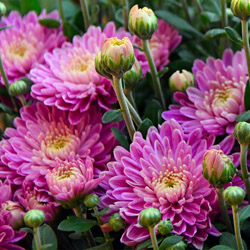
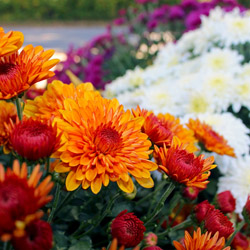
Just when many other flowers are fading at the end of summer, chrysanthemums, or mums, are coming into their glory with a range of stunning autumn colors. Depending on the cultivar, these plants sport yellow, white, red, orange, bronze, pink, peach, wine, purple, and bicolored blooms. The flowers range from small, button-like blossoms to larger blooms reminiscent of daisies. Mum blooms are long-lasting when cut and they’re just as lovely in floral arrangements and bouquets as they are planted in containers, flowerbeds, and the landscape. This makes mums extremely useful for all manner of autumn décor.

Chrysanthemums are native to east Asia and northern Europe and were first domestically cultivated in China nearly 600 years ago. Today, there are more than 20,000 chrysanthemum cultivars worldwide. They are deer- and rabbit-resistant, making them a hardy option for landscaping beds, and with a bit of thoughtful care, these tender perennials can be a wonderful addition to any flower garden or fall containers.

Caring for Chrysanthemums

The hardiness of chrysanthemums depends on the cultivar as well as the local climate and even the microclimate in your landscape. These flowers prefer well-drained, rich soil with a neutral pH, so it is best to use a good quality potting soil in containers. When planting chrysanthemums in the garden or landscape, mixing compost or peat moss in the planting hole will help increase drainage and nourish the soil to promote the best blooms. A good rule of thumb is that if soil is good for vegetables, it will also be good for mums – making them a wonderful choice to refresh a garden after the summer harvest has finished.

Chrysanthemums grow best in full sun requiring a minimum of six hours per day. If mums are planted in containers, consider using a mobile plant cart or a stand with casters so  that the pots may be moved to brighter areas, if needed, as the season progresses.

Chrysanthemums prefer evenly moist, but not soggy, soil. Because of their thick, mounding habit, it is best to water mums from below suing a soaker hose or irrigation drip system in garden beds. In pots, mums should again be watered from below the plant but above the soil line. A watering wand will make this job direct and easy. Be sure to drain excess water from saucers after watering so the roots do not remain continually wet.

Fertilizing chrysanthemums every month through the spring and early summer, with a balanced fertilizer, will help them grow and bloom well, but if mums are planted in the Fall, they should not need extra feeding as long as they were planted in rich, nutritious soil. Deadheading spent blooms by pinching them back can encourage more flowering and help mums maintain their compact, mounding habit.

Decorating with Fall Mums

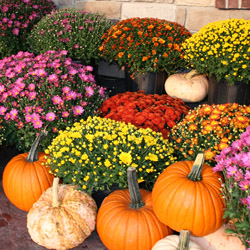
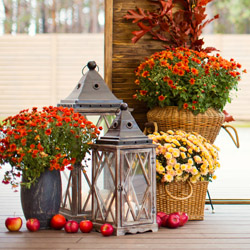
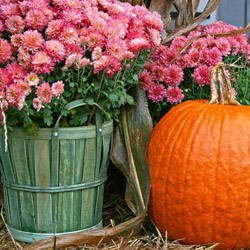
Chrysanthemums are a beautiful choice not only in the garden, but are equally lovely in welcoming porch pots, deck or patio containers, or even small indoor pots and arrangements. Add an extra touch of fall with rustic containers, such as wine barrels, baskets, or terra cotta pots, or glam up your mums in hammered copper or bronze pots that will accentuate their color. A burlap ribbon or bow can be a charming accent, and you can give more seasonal flair to mum arrangements or flowerbeds by adding pumpkins and gourds as fun decorations. Indoors, use small pails or pots for petit mum arrangements, or add them to larger arrangements with grain sprigs, dried pods, colorful leaves, or twists of grapevine for additional texture.

Fall chrysanthemums can be a pleasant burst of autumn color, whether they are part of the landscape or are used in containers, pots, or arrangements and we carry a wide selection to make your fall home suit the season!

Growing Your Favorite Fall Greens

There are many delicious greens perfect for the fall garden, and it is easier to grow them than many gardeners realize. There are even ways to extend the autumn growing season to grow your favorite fall greens for extra weeks, giving you healthy, delicious produce to enjoy long after traditional harvests have ended.

Top Greens to Grow in Fall

A wide variety of greens are hardy in fall and can easily be grown in the garden as well as in containers or window boxes. Depending on your tastes and which greens you would use, try these top favorites.

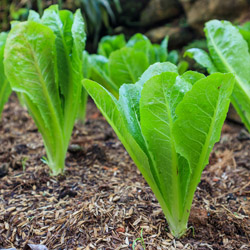
  • Lettuce – Different varieties of lettuce, particularly leaf and butterhead types, grow well in fall. Plant lettuce 4-8 weeks before the first frost, in loose soil. For a prolonged harvest, stagger plantings every few days for different maturity dates.
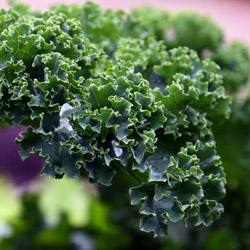
  • Kale – A great option for beginning gardeners, kale grows well in loose soil and will taste even sweeter after its leaves have been touched by light fall frost. Plant kale 6-8 weeks before the first frost to allow it to reach its full potential.
  • Collards – A popular southern green through fall and winter, collards should be planted 6-8 weeks before the first frost. These greens have a hefty appetite and do best in rich soil. Like kale, the flavor of collards is improved after a touch of frost.
  • Mustard Greens – A fast growing option, mustard greens should be planted 3-6 weeks before the first frost. Staggering plantings will increase the harvest yield and ensure an ongoing supply of these peppery-tasting leaves.
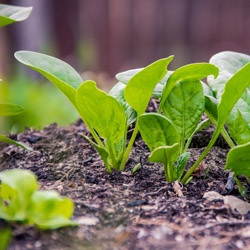
  • Spinach – Healthy and hearty, spinach will grow best in loose soil and should be planted 4-8 weeks before frost is anticipated. Harvesting the outer leaves will encourage better growth and provide an ongoing supply of deliciousness for salads, soups, and stews.
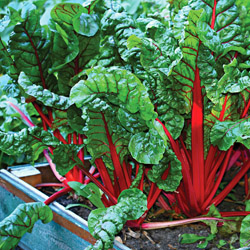
  • Swiss Chard – This colorful green is best started indoors so it can begin to establish solidly before being transplanted outdoors. Start seeds 9-10 weeks before the first frost and transplant seedlings after a few weeks.
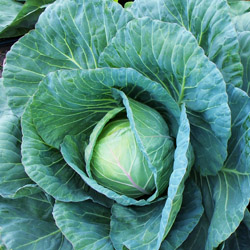
  • Cabbage – Rich and vigorous, cabbage should be started indoors 6-12 weeks before the first frost. The seedlings should then be transplanted outdoors when they are 3-4 weeks old, and they will rapidly take to the new space and produce a bumper crop.

Of course, if starting greens from seed is not your thing, we carry plenty of starter plants in market packs and flats for your convenience, half the work is already accomplished!

Proper Care for Fall Greens

Regardless of which greens you want to add to your fall garden, they all respond well to similar treatment and care. Before planting, clean out spent summer plants, including unpicked produce, weeds, and other debris, just as you would prep the garden area in the spring. You can position fall greens anywhere in the garden, but they will grow best in rich soil, which you can amend with compost or similar organic material for soil improvement. A light application of balanced fertilizer can help keep the plants well-fed as they grow.

Leafy greens will thrive in full or part-sun locations, though they can benefit from some light shade on hot afternoons in late summer. Planting fall greens in sturdy containers on movable carts or plant stands with casters can give you the option to move the plants around as sunlight levels change through the season. If possible, consider planting at the top of slopes or in raised beds, since cooler air will sink into lower landscaping spots as autumn advances. Taking advantage of the microclimates in your own garden space can dramatically impact your fall gardening efforts.

Keep fall greens well-watered, particularly in late summer or on hotter days that can quickly wilt even the hardiest greens. Adequate spacing of plants will promote good air circulation to minimize the potential for disease.

As the plants grow, you can quickly begin harvesting “baby” leaves even before the plants reach full maturity. Use sharp sheers or tear the leaves off by hand. Thinning out smaller leaves is another way to improve air circulation and keep the plant healthy for a more productive harvest.

Autumn is the exact season when different wildlife guests may be visiting the garden more frequently in search of easy foods. Planting garlic, sage, onions, thyme, lavender, or marigolds around and among your fall leafy greens can deter rabbits and deer protecting your late-season harvest.

Extending the Fall Growing Season

You can get even more from your favorite fall greens when you take steps to extend the growing season later into autumn. This is easily done with row covers, cold frames, or cloches, all of which will help sequester heat to keep the soil warm for more vigorous plant growth. As an added bonus, row covers can also help keep many pests, such as beetles and caterpillars as well as deer and rabbits, from ravaging your fall greens.

Summer isn’t the only season for salad, and if you follow these simple steps you can enjoy a delicious, nutritious harvest long past the warm days of summer. Extending your growing season further into fall by covering your greens is also easily accomplished. Stop by to shop our extensive selection of seed and starter plants. Our knowledgeable staff is waiting to serve you.

Favorite Fall Greens

Favorite Fall Greens

Favorite Fall Greens

Favorite Fall Greens

Favorite Fall Greens