Author Archives: Dammann's Garden Center

Growing Veggies in Containers

Do you dream of a delicious, homegrown harvest but don’t have the land to use? No longer should a shortage of garden space prevent you from growing your own fresh vegetables. As long as you have a sunny location you can have your own mini-farm on your porch, patio, deck, balcony, roof-top or doorstep!

Why Use Containers?

The benefits of growing containerized vegetables go beyond the issue of space. There are plenty of other compelling reasons to plant your veggies in pots, including…

  1. Vegetables are amazingly ornamental and can be just as decorative as any other container plants or flowers.
  2. There are fewer problems with pests such as groundhogs, deer and rabbits and soil borne diseases.
  3. The soil in pots warms up more quickly in the spring allowing for earlier planting and an extended growing season.
  4. Less bending, squatting and kneeling is required for gardeners with limited mobility.

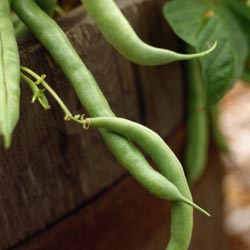
Vegetables can be grown in any vessel that can hold soil, has adequate drainage and is large enough to hold a plant. There are endless options available on the market or you may recycle items that you already have as long as they meet these requirements. Use your imagination – try a wheelbarrow, wine barrel or just a plastic bin, and you’re ready to plant!

Best Vegetables for Containers

While all veggies can be grown in containers, some are better suited than others. Plants that grow particularly large, that sprawl or that must be grown in large numbers to ensure an adequate yield may take more effort and careful site planning with an adequate container. Similarly, vining plants need not be avoided. Trellis these plants up against a wall or fence or allow them to cascade down from a taller pot or a container placed up high like on a stone wall. For smaller selections, a hanging basket or window box may be used. Many sprawling and vining vegetables are now available by seed in dwarf, compact or bush varieties. These are bred specifically for small spaces and containers and are worth seeking out.

Tips for Container Vegetable Gardens

Growing vegetables in containers does take some unique thought and isn’t quite the same as planting in a traditional garden. When planning your delicious container garden, consider…

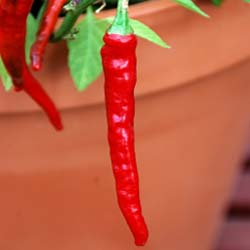
  • Containers: Size matters when planting in containers. The bigger the container, the more soil it can hold. More soil more and more moisture means less watering. Take note that porous containers like terra cotta dry out more quickly and will therefore require more frequent watering.
  • Soil: Choose a good quality poting soil such as Fox Farm Ocean Forest Soil. Soil from the ground may contain insects or disease or may be too heavy. Add an all-purpose balanced fertilizer at time of planting. It is also good idea to mix water absorbing polymers into the soil. These granules can hold up to 400 times their weight in water and help reduce watering from 30-50 percent.
  • Plants: Some of the vegetables that you select may be directly seeded into your container; these would include peas, beans, radishes and corn. With most vegetables you may wish to transplant seedlings into your container, either home-grown or garden center purchased. You will generally find a wider selection of vegetable varieties and unique options available in seed as opposed to purchased seedlings, if you want to use your containers experimentally.
  • Supports: Supports should be placed at time of planting for large or vining plants. This will ensure the young plants are not disturbed or damaged with supports added at a later time. If the supports are outside the container, however, they can be added only when they are needed.
  • Location: Your vegetables will require at least 6 hours of direct sun a day. If this is not possible you may try placing your pots on dollies or carts and moving them to a sunnier location as the sun moves throughout the day. Note that good air circulation is important for disease control.
  • Watering: Test soil frequently for water to make sure that you keep it evenly moist. Water the soil, not the plants, to avoid the spread of disease. Check soil moisture more frequently during the summer months when evaporation is faster. Mulching your containers with salt hay or grass clippings will help keep soil cool during the summer months and reduce the frequency of watering. If possible, a drip system can be a great option for keeping containers watered.
  • Fertilization:  Fox Farm Ocean Forest Soil contains fertilizer.  However, with frequent watering, fertilizer leaches through pots. Fertilize containerized vegetables at least once a week with  Miracle Gro for Tomatoes and Vegetables, a water soluble fertilizer. Always be careful to follow the directions on the fertilizer package and follow the recommended rate. Too much fertilizer may burn or kill your plants, but too little will result in undernourished, underperforming plants.

With appropriate care that caters to the needs of containers, your small-scale vegetable garden can be just as lush and productive as any larger, more intensive space, and you’ll soon have a bountiful harvest to enjoy.
Veggies in Containers

Basics of Balcony Gardens

Whether you live in an apartment, condominium or townhome, you don’t need to give up on gardening just because you don’t have a conventional yard. Balcony gardens are ideal for urban gardeners and can yield just as bountiful a harvest as any more spacious, ground-level plot.

What Kind of Garden Can You Have?

To ensure good growth, beautiful color and a vigorous harvest, you first need to assess the type of garden you can have based on the microclimate of your specific balcony. The overall space available on your balcony, including room to move around and tend your plants, can restrict some larger plantings. You should also track how much sunlight your balcony receives throughout the day, taking into account any shadows cast by nearby buildings and how the light changes in different seasons. Temperatures, breezes and general climate can all vary from balcony to balcony, even on the same building. Do not rely on local forecasts or general tips, since balcony gardens can be dramatically different from ground-level landscapes and gardens, even if your building is not overly tall.

Balcony-Friendly Plants

Just about any plant you can grow in a standard garden can also be grown in a balcony garden, so long as the climate conditions are appropriate. Herbs, fruits, vegetables and flowers are all popular, and even dwarf trees can thrive on the right balcony. Choose plant types that are intended for containers or small spaces for the best results, and use high quality potting soil and nutritious compost to nourish your garden.

Maximize Your Space

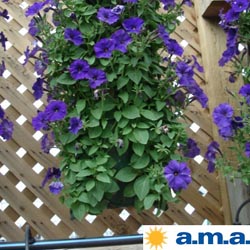
Space is at a premium in any balcony garden, and there are easy ways you can maximize your space for a lush garden. Choose larger containers that can support several plants and group your plants in layers and arrangements that will thrive together so you do not need to crowd your space with too many pots. Think vertically for extra planting space, installing a trellis or green wall to support climbing plants or vines, which will have the added benefit of giving you more privacy from adjacent balconies or close-set buildings. Hanging pots can also add vertical growing space, multiplying the number of plants in your garden. Window boxes designed to rest securely on railings can give you even more planting space, and don’t forget a small pot that can be a centerpiece for a patio table, if you have furniture on your balcony.

Caring for a Balcony Garden

A balcony garden is no more difficult to care for than a traditional garden, but there are tricks to be sure it will thrive. Because you will be planting exclusively in containers, they will need more frequent watering, and they are not likely to get adequate water no matter how much it may rain, since most balconies are covered. Provide plants with proper drainage to minimize the risk of rot, since excess water will not be able to drain away, but take steps to avoid staining the balcony’s floor by using saucers, floor mats or other coverings as needed. Using pot feet or raised stands can also help protect the balcony floor while keeping air circulating around the plants to minimize rot.

Because containerized balcony plants need more frequent watering, they will also need regular fertilizing, as the water gradually washes nutrients out of the limited potting soil. Weekly fertilizing can also help ensure your balcony garden has all the nutrition it needs. Choose fertilizer blends that are specially formulated for your plants for the best results, whether you’re growing herbs, flowers, fruits or vegetables.

Rotating plants regularly can help give them enough sunlight even when corners may be shaded, and it is easy to rotate even the heaviest pots if you place them on rolling stands or casters. This can also help you keep the plants growing evenly and will help you more easily change the arrangements of plants as their needs change or seasonal sunlight patterns shift.

As the seasons change, so will the microclimate of your balcony garden. Change the plants you use each season to keep your garden blooming, or move some plants indoors to prevent excess stress and extend their growing season as much as possible.

You also need to be sure you have the proper tools to care for your balcony garden. Hand tools are best for gently working with containers and tight spaces. Try different tools to find those that fit most comfortably in your hand and are the easiest to control for precise pruning cuts, easy digging and managing the other tasks you will need to keep your garden at its best.

Beautify Your Balcony Garden

Because your balcony is a key part of your living space, you want your garden to be beautiful as well as functional. Opt for colorful pots, but avoid too many mismatched styles and colors that can be overwhelming. Consider adding a wind chime, small tabletop fountain, gazing ball or sun catchers to the space as well. You might even be able to add a small bird feeder to your balcony, inviting wildlife to share your natural space. Nectar feeders are especially popular, and hummingbirds will be welcome visitors to your balcony garden when they also sip from any flowers you’ve planted.

You will also need to keep your balcony garden tidy. Keep plants pruned and trimmed appropriately, removing dead foliage and spent blooms regularly to encourage more growth. Clean up any soil or water spills right away to prevent stains, and keep your tools, fertilizer and other equipment stored safely.

Remember Your Neighbors

Because balconies are found in tight spaces and you likely share walls or railings with neighbors, keep your garden in its place and avoid intruding on your neighbors’ space with water drips, drooping foliage or falling seeds. Consider sharing your harvest with your neighbors – a bundle of fresh, fragrant herbs, a bouquet of homegrown flowers or even some tasty fruits and vegetables can spread goodwill and encourage even more balcony gardening in your community.

A balcony garden can be a remarkable use of space and a great way to add nature into your life, no matter how high up your outdoor space may be.

Balcony Garden
Balcony Garden
Balcony Garden
Balcony Garden
Balcony Garden
Balcony Garden

Scented Geraniums

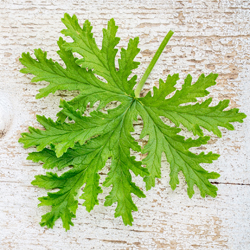
Unmatched for fragrance and beauty in the garden, scented geraniums are undoubtedly showstoppers. With many to choose from, each with its own distinctive habit and fragrance, scented geraniums are also great for hanging baskets, window boxes or any type of container. Although the colorful flowers are small, the leaves of the scented geranium are the most spectacular part of this unusual herb.

A Bouquet of Scents

Scented geraniums come in a wide range of distinctive aromas. Some of the most popular varieties include…

  • Rose Geranium: This cultivar has spicy rose-scented foliage with small clusters of pink flowers among the dark green leaves.
  • Peppermint Geranium: This is a fast growing geranium that spreads to a 4-6 foot mound with clusters of white flowers appearing in summer. Leaves are lobed and medium green. This is a particularly good one for hanging baskets.
  • Lime Geranium: This geranium shows off beautiful lavender flowers in summer and its leaves are serrated, round and light green. These can become quite bushy.
  • Apple Geranium: Apple-scented geranium is another good one for a hanging basket. Clusters of white flowers appear on trailing stems and leaves are round and ruffled.
  • Lemon Geranium: This geranium has tiny purplish flowers and small wrinkled leaves. This one features a nice clean lemon scent that freshens a room quickly.
  • Coconut Geranium: This plant has a trailing habit that works nicely as a ground cover or in a hanging basket. Its flowers are in small clusters and its leaves are round and dark green.

Other popular scented geraniums include chocolate, nutmeg, orange, apricot and almond.

Growing Tips

Scented geraniums are not particular about soil, as long as it is drained – they do not tolerate wet roots well. These plants enjoy full sun and cool climates, with partial shade in warm areas. Pinching off end leaves will encourage bushiness to help keep a fuller, more compact form.

The leaves can be harvested any time and used fresh or dried.

Harvesting and Use

One of the real joys of scented geraniums is harvesting the leaves and using their fragrance in a variety of ways. The leaves can be harvested at any time, and they may be used fresh or dried, though the fragrance may change somewhat or its potency may change as it is dried. Experiment with both fresh and dried leaves to find the aromas you like best.

Scented geraniums can be used in some jellies, puddings, stuffing, punches, teas and vinegars. The oils in leaves are often distilled to make perfume, and the leaves make a sweet addition to sachets and potpourris. No matter how you use them, or even if you simply enjoy them in the garden, these lovely plants are sure to be a welcome addition to your garden and landscaping.

Scented Geranium

What is “pH?” Why Is It Important?

Devised in 1909, the pH scale measures the concentration of hydrogen ions in a solution. The scale ranges from 0-14. Pure water is “neutral” and has a pH of 7, midway between 0 and 14. If a solution has a low concentration of hydrogen ions, the rating will be a higher number and is considered basic or alkaline. Likewise, a high concentration of hydrogen ions rates a lower number and is considered acidic.

What pH Means to Your Garden

There are four important reasons to monitor your soil’s pH level:

  1. pH affects the availability of other nutrients in the soil. If the nutrients are not available because they are chemically bound to something else, plants can’t use that nutrient.
  2. A high or low pH level in the soil allows some plant diseases to multiply more quickly, infecting an entire landscape or garden.
  3. Most organisms living in the soil have pH preferences. For example, earthworms are not as plentiful in acidic soil.
  4. Most plants have specific pH requirements to flourish. Those specific requirements are what the plants need to absorb nutrients more efficiently and resist pests more effectively.

Where Soil pH Occurs

Acidic soil generally occurs in heavy rainfall areas, as the rain will pull acidic compounds from the air and allow them to leach into the soil. Alkaline soil, then, is more common where there is less rain. However, this is just a generalization and neighbors across the street from each other may have a large pH difference. Reasons could include the origin of topsoil brought in, the tillage done in the area and prior occupants’ gardening habits. Even simple changes like how drain spouts are positioned or a watering schedule can impact pH.

The pH Your Plants Need

In Indiana, most plants will grow well in the neutral zone of 6.4-7.0. However, some plants grow best in specific soil pH conditions. By knowing the pH, you may choose the best plants for your site. You may also decide to amend your soil to increase or decrease the pH to grow a wider variety of plants.

We offer several inexpensive and easy-to-use pH test kits. We also offer amendment advice and can help you choose the best plants for your soil’s condition. Stop in for pH help today and we’ll help you make the most of the natural acidity or alkalinity of your soil, or else help you turn that soil into just the pH you desire!

Soil pH
Soil pH
Soil pH
Soil pH

Nurturing Spring Bulbs

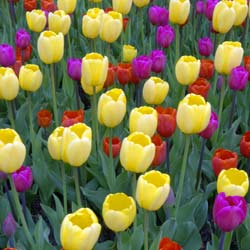
Spring bulbs faithfully reappear at the most advantageous time – after a long, cold winter, just when we’re longing for bright colors to relieve the monotony of winter snow and ice. Most spring bulbs are perennial and multiply in number every year, bringing more beauty to the flowerbeds each spring, but some problems can destroy a carefully planted bulb bed. Seemingly carefree, bulbs do require a bit of nurturing to ensure they perform their very best for years to come.

Tips for Bulb Care

  1. Good soil drainage is important to prevent bulbs from rotting so plan your site accordingly. Do not plant bulbs near areas where downspouts let out or large snow piles may build up and spring melt can drown bulbs.
  2. When planting bulbs in the fall, add a high phosphorus fertilizer to the planting hole for the development of strong roots. This will help the bulbs establish well so they can renew themselves each year.
  3. Bulb foliage will often break through the soil after a few warm winter days. This vegetation is hardy and its exposure to the cold will not damage your plants or prevent them from blooming. There is no need to cover, wrap or otherwise protect this initial foliage.
  4. Fertilize bulbs as plants are emerging from the ground. Do not fertilize once flowers appear. Use  Espoma Bulb Food or Hi-Yield Bone Meal to assist in foliage and flower development, ideally one that is formulated especially for bulbs.
  5. Allow the leaves to die back naturally. The leaves are vital for producing food that is stored in the bulb for next year’s growth. Cut leaves, never pull, once they have turned yellow – pulling can damage the bulb. Do not tie leaves as this reduces the leaf surface required for adequate food production.
  6. When the foliage has completely died back the bulb is dormant, and this is the proper time to dig and separate bulbs if necessary. Flowering will often be reduced when bulb beds become over-crowded. If division is needed, bulbs should be dug and stored in a cool, dry, well-ventilated place and replanted in the fall.
  7. Fertilize bulbs again in the fall with Espoma Bulb Food.

With thoughtful care, you can easily help your bulbs reach their full potential and they will thrive for many years.

Spring Bulbs
Spring Bulbs

Growing in Flower Pouches

How many of us sit on our decks or patios, stare at a bare fence and think, “there must be something I can do with that.”

There certainly is!

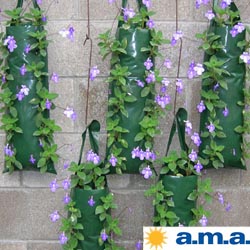
“Plant” your fence with flower pouches. Not just for fences, these flower pouches efficiently provide color and/or small veggies for tiny balconies, deck railings or other small areas. Better yet, they’re inexpensive, colorful and easy to plant.

About Flower Pouches

Available in different sizes, shapes and colors, flower pouches are small, heavy plastic bags with holes that are filled with soil and planted. After planting, they hang from hooks on fences, walls, decks, trees… Almost anywhere. Smaller versions may even be snuggled inside baskets or other containers that hang on the fence and conceal the bag.

Planting in Pouches

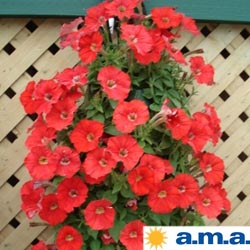
Many types of flowers, herbs and vegetables can be planted in pouches with great success. Smaller annuals, strawberries or vegetables are perfect for pouches. Petunias, marigolds, alyssum, lettuce and cucumbers grow famously. Plant early cool season flowers in early spring and replace with them with heat-loving annuals in the summer when they peter out.

It’s easy to plant a flower pouch, especially when inserting smaller plants, seedlings or starts. Use a lightweight soil-less potting mixture. You may either completely fill the bag with the soil and then poke the roots of the plant into the holes or you can fill to the first set of holes, plant the starts, fill to the next level, and so on. Unless you are planting very small starts, most people find the “fill to the next level and plant” system works the best so delicate roots are not damaged. Many gardeners skip planting the lowest slots to provide more root space. Others skip the top slots in order to plant on top of the pouch, but you may experiment, of course.

Tip: when planting the starts through the slots, use a dibble stick or dowel to create a downward sloping hole for the roots. This slant stabilizes the plant sooner as its roots grow and expand.  Use Osmocote , a long lasting and slow release fertilizer that is long lasting,.

Flower Pouch
Flower Pouch
Flower Pouch

How To Succeed At Seed-Starting

It’s easy to buy seedlings, but there are many reasons why you may wish to start your own plants. By starting your own seeds, you have a much greater selection of flowers, vegetables and herbs to choose from. For example, old favorites like hollyhocks and less common varieties of herbs and perennials as well as heirloom vegetables might not be available as plants, or stocks may be limited. Plants with fine seeds should also be started indoors because they can easily wash away in the rain and they may have a difficult time competing with weeds. Starting your own seeds can also help you extend the growing season so you can enjoy a longer, more productive harvest. So why not get started today?

Containers for Starting Seeds

Traditionally, seeds are started in flats or peat pots. There are various sizes of plastic trays, cedar flats, peat pots and the popular Jiffy-7, a flat, peat-moss wafer, available. When moistened, the Jiffy-7 expands to form a small, self-contained pot of soil into which a seed is sown directly. This is an excellent choice when sowing seed of plants that do not like their roots disturbed during transplanting. You might also use eggshells or folded newspaper pots to start your seeds.

Seed-Friendly Soil

It is best to use a light, soilless mix when starting seeds such as Espoma Organic Seed Starting Soil or Jiffy Organic Seed Starting Soil. These mixes are sterile, meaning young seeds do not have any weed seeds to compete with, and there are no harmful bacteria, insects or other pests in the soil right away. Good seed mixes also contain adequate nutrients to carry seedlings through until transplanting. Do not use garden soil, as seeds will not germinate well in the heavy soil, and a fungus disease called damping off is common.

Temperatures for Seeds

Most seeds require warm soil in order to germinate. You will need to heat the soil of the seedling flats with a heat mat, heat tray or heating cable. Seed trays can also be placed on top the refrigerator or hot water heater. Do not put seed-starting trays on a windowsill; nighttime temperatures are too cool to allow for good germination. Seeds need consistent warm temperatures of 75 degrees or warmer for optimum germination.

Seed Watering Needs

Seeds need to be kept constantly moist in order to germinate. Moisten the soil thoroughly before planting. Water when the surface is dry with a misting nozzle or plastic spray bottle until the soil is saturated. The medium should be constantly moist, but not soggy. It is important not to overwater, which could drown the seeds and tender seedlings, but also not to permit the flat to dry out.

Sowing Seeds

Seeds should be sown 2-10 weeks before the last spring frost date. Your seed packet will provide this information as sowing dates can vary for different plant varieties or even cultivars of the same plants. Fill your containers almost to the top with moist growing mix. Tamp it down gently and smooth it out. Gently press the seeds into the mix or simply set them on the surface of the soil and place milled sphagnum moss over the top to prevent damping off. Cover the container loosely with plastic wrap or a clear dome, which will help preserve moisture and warmth. Be sure to label your containers with plastic or wood plant stakes and write the plant name and the date sowed. Set trays in a warm spot and check daily to keep evenly moist.

Seedling Care

Once seedlings have grown a half-inch or so, you should water less frequently. Let the soil dry slightly between watering, which will help the seedlings stretch and develop a strong root system. Seedlings will also need light and the best method is to use the traditional fluorescent fixtures or the new energy-saving LEDs. Suspend lights just an inch or two away from the plants. Lights must be on at least 14-16 hours a day. As your seedlings grow, raise the lights accordingly so they do not bump into the lighting fixture. If your seedlings do not get enough light, they will become weak and spindly. Fertilize seedlings weekly with half-strength, balanced, organic fertilizer such as Fertilome Fish Emulsion.  Thin seedlings if they become overcrowded, choosing the healthiest, strongest seedlings to save.

Hardening Off and Planting Out

When the weather is warm, move your seed trays outside gradually over a 5-7 day period. Start by putting them out just for a few hours during the late morning to mid-afternoon, and then gradually increase until they are left out all day and night. Keep them in a lightly shaded, protected spot during the day to prevent sunburn. After a week or two of this transition, gently transplant seedlings into the garden. Try not to handle the root ball too much, as they are quite fragile. Water thoroughly after transplanting and again every day for about a week. Newly set out plants will look sparse at first, but they will grow and fill in quickly, leading to bumper crops and a lush, delicious harvest!

Cole crop or Cold crop?? Cole Crop are a group of vegetables that include broccoli, cabbage, cauliflower and brussels sprouts.  They may be planted outside in late March.  Cold crop is a term describing plants that can tolerate cold temperatures, like lettuce and spinach.

Seedling
Seedling
Seedling

Cold-Tolerant Flowering Plants

Cold doesn’t have to kill your dreams for beautiful flowerbeds overflowing with vibrant color and stupendous blooms. While the deepest freezes of winter will put a stop to any flowering plant, there are beautiful plants that can chill out without damage or difficulty. The trick is recognizing which of these cold-tolerant flowering plants will work best in your climate and garden, and we’re here to help with that.

Perennials

Perennials are plants with roots that survive through the winter months, sending out new growth each spring. Appearing in your garden year after year, they become old and treasured friends. Perennials come in many sizes, shapes and colors with various bloom times and periods. It is best to plan your garden by the bloom time of the plant along with its cultural needs (sun/shade and drought-tolerant/water-lovers, etc.) to be sure you have a good, healthy balance of plants that will keep your garden and landscaping lush for months. Because these plants have evolved to survive the winter’s cold, they are all cold-tolerant to at least some measure. Popular favorites include…

  • Dicentra ‘Luxuriant’ – No garden is complete without a patch of Bleeding Hearts. This fringed variety is longer blooming than the old-fashioned selections. Rose-pink flowers are borne gracefully above soft green foliage with a slight blue cast that looks fresh all summer. 18-24” tall. Plant in part shade.
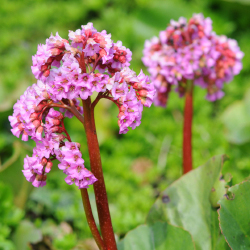
  • Bergenia – Spikes of delicate pink blooms soften the bold evergreen foliage of this early blooming perennial in March or April.
  • Basket of Gold (Aurinia) – Charming yellow flowers float above dense mats of attractive gray foliage on this old-fashioned favorite. Plant in full sun. Excellent for a rock garden.
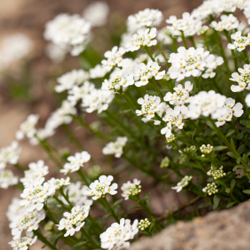
  • Candytuft (Iberis) – Flat-topped clusters of white flowers cover this evergreen perennial in early spring. Excellent as an edging in a border or to use in a rock garden.
  • Columbine (Aquilegia) – Beloved by hummingbirds and butterflies, columbine is also a great cut flower. Available in many color shades and bi-color combinations, columbine is perfect in any border or landscape situation.
  • Coralbell (Heuchera) – Tiny bell flowers on 1-2’ slender stems bloom from spring into summer. Shades of foliage vary from green to pink to deep burgundy. Plant in sun or shade.

Not sure which plants are best for the cold in your yard? Stop in and see our landscaping experts today for help choosing just which blooms will heat up even on cold days!

Cold Tolerant
Cold Tolerant
Cold Tolerant

Creating Humidity for Houseplant Health

Have your houseplants been looking dingy and dry no matter how much you may water them? Have they lost the lustrous glow their foliage first had when you got them? Poor humidity may be the cause. Many of our houseplants hail from the tropics and grow in humidity of 50-80 percent, considerably more humid than typical homes. The trick is to know your plant’s preferences and be able satisfy it. Putting a cactus in the shower will cause it to rot, while a fern is perfectly happy.

But what can you do if you really want that fern in the family room where the humidity may only be 20 percent in the winter? If your plant has brown leaf tips or margins it probably needs more humidity and is asking you to increase it. Luckily, it’s easier to add humidity than it is to take it away.

Easy Ways to Increase Humidity

There are several ways you can easily increase the humidity around your houseplants. If they only need the air a little more humid, just one technique may be sufficient, but if they are humidity-loving plants, you may want to try several options at once to really give them a humidity boost.

  • Pebble Tray
    Place an inch of small pebbles, marbles, shells or gravel in a 2″ deep tray, half fill the tray with water and set your plant on the pebbles. Don’t set the pot in the water, as the wicking action will saturate the pot soil and could lead to rotting roots and overwatering. As the water in the tray evaporates, it increases the humidity immediately around the plant. When you water the plant, pour out the water from the tray to prevent mineral buildup, algae and insect growth.
  • Plant Grouping
    Rather than spacing plants throughout the room, group them together to take advantage of the moisture each plant produces through transpiration. Grouping plants can increase humidity by as much as 15 percent. Place the entire group on a pebble tray if additional humidity is required. Allow air circulation between the plants by ensuring the plants are not touching each other, and rotate individual plants periodically to encourage straight growth and distribute humidity absorption.
  • Misting
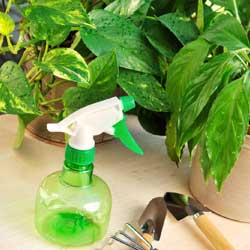
    Use a misting bottle daily to increase humidity and cleanse leaf pores, which tend to clog with dust. However, to prevent leaf rot, do not mist plants with “velvety” leaves such as African violets. Do not over-mist plants to the point where their leaves are dripping wet, or else they may suffer from overwatering.
  • Humidifiers
    Available in a variety of sizes, humidifiers increase the humidity in a larger space. You may also find yourself breathing better when using a humidifier. Our houses become very dry in the winter because of furnaces, heat pumps and fireplaces, and humidifiers can not only help houseplants, but can also help alleviate dry skin, limp hair, chapped lips and hacking coughs.
  • Terrariums
    If your house is just too dry for the plants you would like to grow, try planting them in a terrarium. These nearly enclosed vessels create miniature environments perfect for humidity-loving tropical plants such as ferns, orchids and mosses. You will still need to water your terrarium, but because much of the moisture is trapped, the humidity in the enclosure is much higher.

Keeping your humidity-loving houseplants happy in the winter isn’t difficult. Come in and see us to ask questions, get answers and pick up the simple supplies to make your home a houseplant haven.

Humidity

Don’t Miss Out on Brunnera macrophylla ‘Jack Frost’

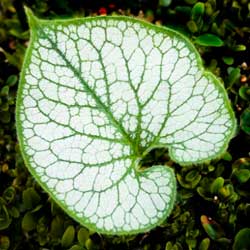
Are you trying to add drama and beauty to your shady spots but keep finding only bland, lackluster plants? You won’t want to overlook Brunnera macrophylla ‘Jack Frost’ with its stunning appearance and easy care.

Introducing Brunnera macrophylla

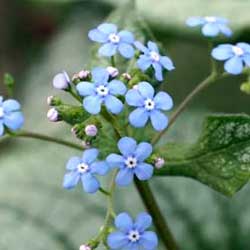
Also called Brunnera-Heartleaf and Siberian bugloss, this plant is a stunner for its delicate foliage. The broad, heart-shaped leaves of ‘Jack Frost’ are dark green with a heavily frosted metallic silver overlay. This allows only the green veining to peep through, giving the plant a crackle-like finish with a thin green border. Sprays of tiny bright blue forget-me-not like flowers burst forth in mid- to late spring, growing well above the foliage on delicate stems.

Using Jack Frost in the Landscape

Excellent in a woodland garden, the genus Brunnera is a group of classic perennials valued as a shade tolerant ground cover. The variegated forms are slower to spread than most other species, making this cultivar ideal for smaller spaces where crowding may be a concern, such as around younger trees, in smaller beds or in borders along a shady fence, deck or pathway. This plant is fabulous as a specimen plant or may be massed to show off its phenomenal floral display. ‘Jack Frost’ would also make a wonderful addition to a shady container garden on a deep porch or covered deck. The flowers are long lasting when cut and can be lovely, delicate additions to arrangements. Because this plant is resistant to deer and rabbits, it can also be a favorite in wildlife-friendly areas.

Proper Care is Key

Brunnera is a woodland plant, and that must be kept in mind if it will be able to show off its full potential in your landscape. ‘Jack Frost’ should be grown in full shade and consistently moist soil in southern regions to mimic the thicket-like conditions it naturally favors. In the north, morning sun is acceptable as long as the soil remains moist and the temperatures in the sun do not rise too high. Although tolerant of many soil types, this plant will grow best rich soil. If needed, amend soil with lush compost to improve its condition and provide proper nourishment. Little care is needed once Brunnera is established. Cut back the old foliage in the spring rather than in the fall; it will help to protect the crown during the winter. A winter mulch is also recommended to help keep the soil moist and warmer to protect the roots.

Brunnera macrophylla ‘Jack Frost’ may not be widely known, but once you meet it, you’ll want to invite it to every shady part of your landscape!

Brunnera
Brunnera