
Author Archives: Dammann's Garden Center

Valentine Gifts From the Garden Center

Valentine’s Day is all about love, and if you love gardening, there’s no better place to find the perfect Valentine’s Day gifts than the garden center. Whether the gifts are for that someone special in your life or just to show some love to yourself or your garden, you can find a wide array of amazing choices for Valentine’s Day or any gift-giving occasion.

Gifts for Your Very Special Valentine

The garden center has much more than just tools or plants, and you can find a variety of nature-inspired gifts for everyone you love this Valentine’s Day. Whether you are shopping for a friend, neighbor, family member or anyone else on your friendship and love gift list, the garden center can offer the right touch of Valentine’s Day sentiment, including…

  • Wind chimes, welcome signs, decorative path stones, and colorful wall decor for the person who loves their porch
  • Bird baths, feeders, houses, nesting material and birdseed for the bird lover
  • Gnomes, fairy gardens, fun statuary and other whimsical accessories for the fantasy lover
  • Houseplants, succulents and easy plants for the plant lover who doesn’t have a full garden
  • Moisture meters, thermometers, pH test kits and rain gauges for the environment manager
  • Fountains, statues, gazing balls and other relaxing accents for those who love to meditate

Gifts for Yourself

While it’s fun to shop for Valentine’s Day gifts for all your friends and everyone you love, don’t forget to show yourself some self-love on this holiday. The garden center has great gift options for a little treat you can enjoy, including…

  • New tools engineered for better ergonomics and comfortable use
  • Plants and seeds to add to the variety in your garden and flowerbeds
  • Decorative solar lights and other colorful accents to spice up your garden space
  • Pots, planters and containers to expand your growing area
  • Seed starting materials setups so you can put that caring spirit to use, even in the winter

Valentine Gifts to Give Your Garden

While you’re shopping for everyone on your Valentine’s Day list, don’t forget your garden. It gives you joy and pleasure all year long, from the first sprouts and blooms of spring to your autumn harvest, and even through the winter with preserved herbs and canned fruits and vegetables as well as outdoor visual interest. As you start planning your spring gardening chores around Valentine’s Day, mid-February is a great time to pick up gifts to “give” your garden, including…

  • Proper fertilizer for the needs of different herbs, vegetables, fruits and flowers
  • Pesticides to keep unwanted garden visitors away and protect your plants
  • A ladybug house to attract beneficial insects to help your garden grow
  • Different types of mulch to control weeds and preserve moisture in your garden
  • New hoses, drip systems and other irrigation tools to keep your garden well-watered
  • Row covers and other shelter to protect your garden against frosts, birds and deer

No matter what your garden needs, you can show it how much you love every plant, path and corner with Valentine gifts from the garden center. Even with every gift you give others on Valentine’s Day, you can share your love of gardening and encourage everyone to enjoy more time in the garden, courtesy of a well-stocked garden center.



The Best Birdseed for Winter Finches

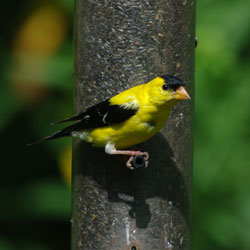
Gardening and landscaping may be at a standstill during the coldest, deepest days of winter, but that doesn’t mean there is nothing to enjoy in your yard. In fact, there are many beautiful birds that visit our yards only in winter, including whole flocks of fantastic winter finches. With the right bird feeders and the very best birdseed, plus a few other key winter garden accessories, you can easily enjoy a flock of feathered fun all winter long.

Winter Finches to Watch For

There are many different birds that thrive in northern regions. When winter conditions are exceptionally harsh or food supplies are exceptionally low, these birds may move much further south than expected during the coldest months. While weather patterns, food sources and population changes all impact how many of these birds visit feeders, some of the most eagerly anticipated winter finches include…

  • Common redpolls
  • Evening grosbeaks
  • Pine siskins
  • Purple finches
  • Red crossbills

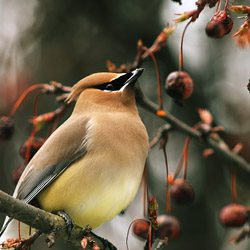
Several other northern species, including snow buntings, bohemian waxwings and boreal chickadees may also be seen at feeders more frequently in winter, but it is the finches that are often the most welcome and reliable winter guests – if you have the right birdseed and feeders to attract them.

Not in a northern area? No need to miss out even if the typical winter finches won’t make it to your yard! Many other finches, including house finches, Cassin’s finches, American goldfinches and lesser goldfinches visit more southerly regions in the winter or even stay in the same range year-round, and these tips work just as well for those species.

Feeding Winter Finches

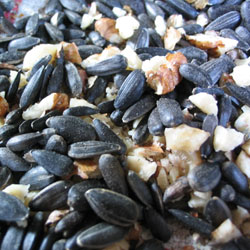
Winter finches eat mostly seeds and grain, and they require great quantities of nutritious food to keep up their body heat and energy in the bitter cold. Black oil sunflower seed is ideal for most winter finches, even in southern areas. While their sturdy bills can break open these seeds, hulled sunflower seed is often preferred because there will be no discarded shells to build up under the feeder until the ground can be cleaned in the spring. Offering this seed in open platform feeders will accommodate large, hungry flocks, but hopper or tube feeders with covers will protect the seed better from snow, ice and winter rains that can cause mold.

The smaller finches, siskins, redpolls and goldfinches, are especially fond of Nyjer (finch) seed, and it is best to offer these tiny, lightweight seeds in small tube feeders or mesh feeders.

Making Your Yard More Finch-Friendly

The right food and feeders will feed hungry winter finches, but there are several additional accessories you can add to your yard to make it even more finch-friendly.

  • Fresh Water
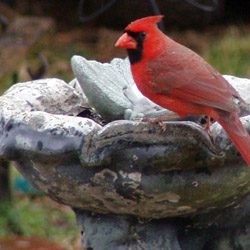
    Despite all the snow and ice around in winter, birds need liquid water even more than they need food. Providing a heated bird bath when temperatures drop will give birds a fresh, liquid water source to visit so they don’t need to waste precious calories melting their own water.
  • Safe Shelter
    These birds are used to cold, but extra shelter can make a critical difference in bitter cold snaps, especially further south where dropping temperatures aren’t as common. Bird roost boxes and bird houses can be left up year-round for fast, easy shelter, and dense evergreen plantings also provide a good windbreak and comfortable spot for birds to rest.
  • Clean Facilities
    Bacteria is easily spread through dirty water and bird feces, and clean baths and feeders are essential to keep finches and other backyard birds safe. Use a weak bleach solution to sterilize feeders and baths regularly, and use scrub brushes, old toothbrushes or bottle brushes to get into every nook and cranny. Some bird diseases can also affect humans, so be sure to wear gloves when cleaning.
  • Open Feeding Areas
    Even the best food and greatest feeders won’t be useful if the feeding areas are buried under ice and snow. A broad, umbrella-style baffle can keep snow off feeders, or you can use a brush or old broom to gently remove snow when needed. Keep a small ground feeding area shoveled or tamped down to make foraging easier for birds under the feeder as well.

Winter finches are amazing backyard visitors that aren’t deterred by the cold days, chilly winds and frozen ground that keep gardeners inside for months. By providing good quality food, suitable feeders and other finch-friendly accessories, you can enjoy the energy, color and excitement of these birds in your yard all winter long.


Pruning Fundamentals

Pruning is essential to keep your trees and shrubs in good shape, but it can be intimidating if you’ve never pruned before. Once you learn the fundamentals, however, you’ll realize it isn’t as hard as it may seem.

Tree Pruning

The first thing to look for when pruning a tree is broken, diseased or dead branches, all of which should be removed to preserve the overall health of the tree. The next thing to be concerned with are suckers and water sprouts. Suckers can be either bottom suckers coming from the root system or growths originating from the trunk. In either case, they reduce water and nutrient flow to the main portion of the tree and should be removed. Another problem growth is called a water sprout, which is very noticeable because it grows straight up from a branch. Water sprouts also rob water and nutrients from the tree.

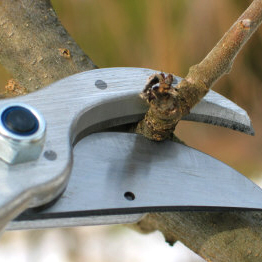
After all of these problems have been corrected, a second look at the tree should let you know what other limbs should be removed. Removing large limbs is perhaps the most difficult part of tree pruning. It requires two cuts in which one cut removes the weight of the limb and prevents tearing of the bark. The second cut is made closer to the trunk and removes the remaining stub, but should be no closer than the branch collar. Smaller limbs may also be removed to help preserve the desired shape and size of the tree if needed.

Pruning Deciduous Shrubs

Many deciduous shrubs can really benefit from annual pruning. Pruning not only controls the size of these shrubs, but it can also increase flower production and encourage colorful bark.

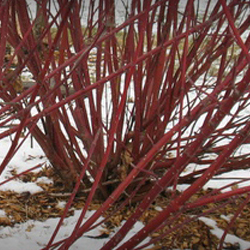
Let’s begin with a few of the more common shrubs, such as lilac, forsythia and weigela. These shrubs are most commonly known for their flowers, so we should prune them accordingly. By removing a portion of their oldest stems entirely we can encourage younger growth, which will give us more flowers. Plants such as red and yellow twig dogwood have colorful stems which can be enhanced by removing the older gray stems. Another group of plants that benefit from pruning are the spireas and potentillas. These plants are treated a little differently in that they are cut down to about 4 or 6 inches in the fall or early spring. By pruning them this way, we increase their flowering and yet remove all of their twigginess that would look unsightly throughout the winter and early spring.

There are many other trees and shrubs that require more detailed pruning recommendations and careful guidelines. Please email us your questions or stop by the store, we always have people available to answer your questions whether they involve specific plant recommendations or which pruner is the right one for you and the pruning job you need to do.


Insect Control Begins Now

It’s hard to think of insects in winter, but don’t forget the havoc these tiny creatures can bring to your garden – defoliating leaves, contaminating produce, even destroying complete plants. Before these pests begin to be a problem is the perfect time to take steps to control them.

Why Winter Control?

Late winter is the right time to control insects for two reasons. First, the insects and their eggs are just coming out of dormancy. The shells and protective coverings are softer and more porous in late winter, and so are more vulnerable to the effects of oils and sprays. Second, the oil-water mixture should not freeze on the tree or plants, which could damage the plant and make the spray far less effective. When you spray, the temperature should be above 40 degrees. Delay spraying if freezing night temperatures are predicted. Choose a calm day for spraying to be sure stray breezes and cross winds do not spread the spray to plants you don’t want covered.

Insects to Control

In late winter, before any leaf buds begin to open, spray Bonide All-Season Oil or Dormant Oil Spray on fruit trees or other ornamental trees or shrubs to suffocate over-wintering aphids, thrips, mealybugs, whitefly, pear psylla, scale and spider mites that cling to the bark. The treatment will also destroy the eggs of codling moths, Oriental fruit moths and assorted leaf rollers and cankerworms. Don’t wait until the buds have burst in early spring, as the coating of oil will also smother the emerging plant tissue.

Tree Spraying Tips

While small shrubs can be easy to treat, larger trees are more challenging to be sure you don’t leave any area untreated where insects can thrive. Spray the whole tree at one time, concentrating on the trunk, large branches and crotches, rather than spraying down a whole row of trees at one pass. If you’ve experienced extremely bad infestations of insects, you might treat your trees a second time. But be sure to spray before the buds are near the bursting point. Dormant oil can also be used after the leaves have dropped in the fall. Never spray when any foliage or fruit is on the trees or you risk unwanted pesticide contamination.

After you spray, be sure to store any remaining oil properly and out of reach of children and pets. Containers should be labeled clearly and kept in cool, dark spaces to preserve their usefulness. Avoid reusing any sprayers to minimize the risk of cross contamination or inadvertent use.

Spraying for insects in winter may not be the most glamorous job, but you’ll appreciate the improvement in your trees through the spring and summer when you’ve nipped your insect problems in the bud.

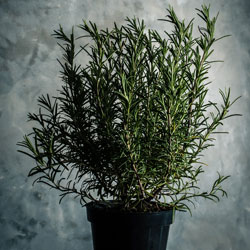
Trimming a Rosemary Christmas Tree

Rosemary is a popular indoor herb plant used for culinary purposes and to enhance the décor for the holiday season. Thanks to their upright growth and needle-like foliage, these fragrant herbs make perfect miniature Christmas trees, but how can you help your plant keep its shape and be a beautiful home accent all year round?

Buying and Growing a Rosemary Christmas Tree

Rosemary herb plants are easy to find during the holiday season, and are the ideal size for trimming into tree shapes. We carry the healthiest selection of rosemary bushes, including varieties of rosemary that can be difficult to find elsewhere. Another option is growing your own rosemary from a smaller plant, starting several months before you want to decorate the miniature tree – making this an ideal spring or summer project too. Choose a proper pot, ensuring it has plenty of drainage, and use nutritious potting soil to nurture the young rosemary. Provide it with proper lighting and good air circulation to minimize the risk of powdery mildew or other problems, and water it appropriately for lush growth. A small stake may be necessary to encourage straight, upright growth to ensure a tree-like shape, and regular pruning will be needed to coax the plant into a preferred form.

Pruning Rosemary

Pruning rosemary into a tree form is no more difficult than clipping fresh herbs for use, but you do need to have the proper tools for clean, safe cuts. A small pair of pruning shears or set of floral clippers is ideal. Clean them between each pruning so there are no bacteria or fungus that can be transferred around the plant, and it may be wise to reserve the pair only for your rosemary bush for extra protection, especially if you plan to give the shaped plant as a gift or use it as a holiday centerpiece.

To achieve the cone-like shape typical of a Christmas tree, leave the base of your rosemary plant full and bushy, while gradually tapering toward the top of the plant to create the pyramidal structure. If you’ve started with a smaller plant, it will be necessary to let several larger branches grow, then choose the strongest, most upright specimen to be the “trunk” of your rosemary bush. Trim all the other sprigs away, allowing that central section to thicken and grow so it can support the bush’s shape. Over time, additional branches will grow – trim the very bottom sprigs away several times before allowing them to reach out and form the bottom of the tree shape. More frequent pruning will encourage a fuller, thicker shape, while pruning less often will give your bush a more open structure. Both styles can become lovely decorations, but bear in mind the types of decorations you want to add to your rosemary tree so you can prune and train it accordingly.

Decorating a Rosemary Tree for Every Holiday

Rosemary bushes look lovely as holiday decorations if they are simply shaped and accented with a festive foil cover or bow on the pot. Canvas or decorated cloth covers with ribbons are other easy options, but many people want to jazz up their plants even more. Adding a miniature string of light-weight fairy lights, a few tiny ornaments or even a small strand of beads are easy ways to give your rosemary bush extra holiday flair, but you don’t have to confine your decorating excitement to just the Christmas season. Why not cut out felt triangles to create a jack-o-lantern face on the bush for Halloween, or stick pheasant feathers or mini pinecones into the pot to give it a harvest look for Thanksgiving? Red, white, and blue ribbons or streamers are a great Fourth of July option, and festive plant picks are available for any holiday. You can even create a small fairy hut or miniature scene in the pot with your rosemary to give it a whimsical touch all year long.

Rosemary trees may be most closely associated with the holiday season, but you can make every day a holiday when you trim your own rosemary and decorate it for any special day you wish.

Rosemary Tree

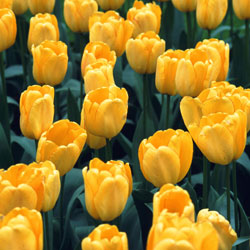
Tulips: Spring Starts Now!

Tips for Planting Tulips

Tulips are an easy care addition to any landscape, and they are easier to plant than many gardeners realize.

  1. Choose only top-sized bulbs without any bruises or obvious damage. Bigger bulbs generally indicate better quality and bigger flowers.
  2. Plant bulbs as soon as purchased or store in a cool, dry location.
  3. Choose a sunny (or part sun) location with well-drained, rich soil.
  4. Plant 2″ deeper than recommended to promote re-blooming each year.
  5. Apply bone meal 3 times a year – in fall when you plant, in spring as bulbs emerge from the ground and after flowering has finished. This will provide food for the foliage and bulb growth for next year’s flowers.
  6. Mulch and water the bed thoroughly after planting.
  7. Plant before the ground freezes.
  8. Deadhead flowers after they have faded, but leave the foliage to die back naturally. Do not cut off the leaves until they have turned brown, or else they will not develop large enough bulbs for a good show the next year.


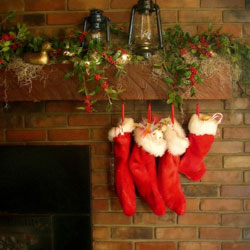
Stuff a Gardener’s Stocking

Stocking stuffers don’t have to be useless, jokey items that are quickly forgotten after the holidays. Instead, choose the appropriate stocking stuffers with a gardening twist, and even the smallest stocking will be filled with gardening fun for that special gardener in your life. No matter what type of gardener you want to buy for, we’ve got the right stocking stuffers for their green thumb!

Your gardener will love:

  • Weather stations, rain gauges
  • Window thermometers or barometers
  • Quality hand tools such as bulb diggers, trowels, pruners, and cultivators
  • Fresh gardening gloves
  • A soil pH reader
  • Soft wire and garden tie tape
  • Watering cans or wands
  • Whimsical wind chimes
  • Fairy garden accessories – new just came in!
  • Interesting  varieties of succulents
  • Garden gnomes and pink flamingos
  • Themed stepping stones or small garden statues
  • Bird feeders and ornate houses
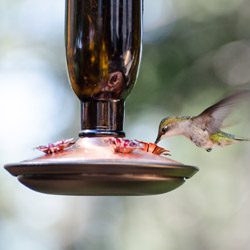
  • Bird foods such as suet cakes or hummingbird nectar
  • A squirrel corn cob feeder
  • Songbird suet

No matter what type of gardener is on your shopping list this holiday season, there are plenty of stocking stuffer options to meet their gardening style. Stop in and finish off that shopping list today!

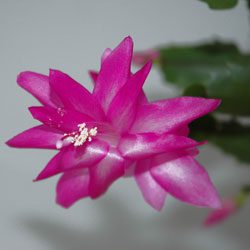
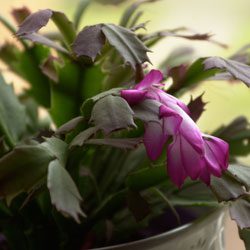
Holiday “Cactus” (Schlumbergera varieties)

Have you noticed the odd-looking plants with neon bright flowers blooming since Halloween? You may know them as Thanksgiving cactus, Christmas cactus or Crab Cactus. Whatever you call them, they’re certainly bright and cheerful, and bring a bold bloom of color indoors during the winter months.

These plants don’t resemble their cactus cousins. Native to forests and jungles rather than desert regions, these plants are generally epiphytic, growing on trees or rocks. Distinctly flattened claw-like joints approximately 1″ long form the arched and hanging stems. The 2.5 – 3″ tubular blossoms emerge from the stem tips.

In case you’re wondering, the Easter cactus is a close relative but a different genus. However, in addition to blooming in the spring, another difference is the blossoms also form at the stem joints. Hybrids now bloom at different times of the year and new introductions create a wider variety of colors including pink, reddish, white, orange, purple and even multicolored blooms on the same plant. You can actually create a blooming rainbow effect over the entire year, with proper care and diligent upkeep.

The Christmas cactus usually begins flowering when night temperatures are around 55° Fahrenheit. After the buds are set, night temperatures of 60-70° Fahrenheit and slightly higher during the day are ideal. Many people summer their plants outdoors in a shady location and bring them indoors after bud set to enjoy during the holidays.
Caring for Holiday Cacti

Holiday cacti are as easy to grow as most houseplants. These easy instructions can help your Christmas cactus become part of your holiday traditions for years to come.

  1. Use general all-purpose container potting soil and a pot with sufficient drainage to protect the roots.
  2. Keep the soil moist while the cactus is blooming and allow it to become mostly dry while resting before watering again.
  3. Fertilize “weakly, weekly” while flowering. Otherwise, water every other month without fertilization.
  4. Place the cactus where it will receive bright indirect light for 6-8 hours a day. Avoid direct sunlight that can burn the plant.
  5. Transplant the cactus to a larger container when roots are very tight and blooming is less vigorous.

A holiday cactus can be a fine addition to any winter decorations, or by itself it will brighten any room for weeks with its bold, colorful blooms. With proper care, you’ll enjoy your cactus for many holiday seasons.


Birdscaping

As wildlife habitats are threatened by development, the creation of a bird-friendly environment that provides food, water and shelter is crucial to the existence of our wild bird population. Caring for our feathered-friends is an educational and enjoyable activity for the entire family that brings beauty and song to our lives.

Benefits of Wild Birds

Birds are great guests to have in your yard, garden or landscape, and they provide more benefits than many homeowners and gardeners realize. Wild birds can…

  • Control insects by feasting on both flying and crawling insects, as well as spiders, slugs, snails and other creepy-crawlies.
  • Pollinate plants by flitting from flower to flower as they seek out insects or eat seeds, taking pollen along between blooms.
  • Manage weeds as they consume copious amounts of weed seeds before the seeds ever have a chance to sprout.
  • Control rodents when raptors visit the yard in search of mice, rats, gophers, voles or other unwanted pests.

Attracting Backyard Birds

Fortunately, it is easy to attract a wide variety of backyard birds when you offer them what they need most – food, water and shelter.

Food for Birds

Wild birds rely on both natural and supplemental food supplies so it is important to consider both when birdscaping. Feeding the birds is most important in the winter when natural food is scarcer, but they will visit feeders at any time of year. Migratory birds require additional food in the spring and fall as they pass through the region and nesting birds will utilize feeders in the summer.

Tips:

  • Provide a variety of natural foods for birds by planting berry bushes, seed-bearing flowers, nectar-rich flowers and sunflowers. Leave windfall fruit on the ground for birds to nibble. Minimize pesticide use so birds can feast on insects as well.
  • Add supplemental feeders to your yard, such as birdseed feeders, suet feeders and nectar feeders. Clean feeders weekly to avoid mold that can be dangerous to birds, and be sure feeders are full when birds need them most.

Water

Improve your backyard bird habitat by adding water. Birds require a constant supply of clean water for drinking and bathing. This is especially important in late summer, when water is scarce, and in the winter, when it is frequently frozen.

Tips:

  • Place bird baths in a protected location safe from predators, and keep the baths filled at all times so a fresh supply of water is constantly available.
  • Scrub off algae as soon as it is appears and thoroughly was the bird bath each week to minimize feces contamination or other messes in the water.
  • Provide motion for greater attraction by using a bubbler, wiggler, dripper or fountain. Birds will see the sparkles of the moving water and will hear the splashes from great distances, so more birds will visit.
  • Use Mosquito Dunks to safely prevent mosquito larvae in warm weather. A clean bird bath with moving water will also harbor fewer insects.
  • Add an outdoor-safe submersible heater to the bath in winter to keep the water liquid instead of frozen, or consider using a fully heated bird bath during the coldest months.

Shelter

It is important to offer safe and comfortable shelter for your wild birds to nurture their young, protect them from predators and shield them from the elements. Planting evergreen trees and shrubs and providing bird houses, along with roosting boxes and pockets, are all beneficial additions to your birdscape.

Tips:

  • Choose both deciduous and evergreen landscaping trees and shrubs to offer birds different types of shelter in all seasons.
  • Minimize pruning to give birds denser, more secure shelter to take advantage of when they feel threatened.
  • Plant in layers and create thicket-like pockets or corridors in your landscape so birds can move around freely without feeling exposed.
  • Supplement the shelter in your yard with good quality bird houses, winter roost boxes or nesting pockets to give birds even more options to stay safe and secure.

When you meet birds’ needs for food, water and shelter, your birdscape will soon be home to a fun and friendly flock of backyard birds.

The Great Squirrel Battle for the Bulbs

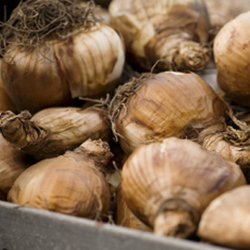
Autumn is the catalog time of year, when gardeners devour and drool over the spring-blooming bulb catalogs, eagerly fantasizing about next year’s flowerbeds. We picture drifts of crocus and gaily swaying tulips, lush daffodils and glorious hyacinths. Snowdrops, irises, daylilies… Ah, the garden will be great this next spring.

Then we remember last spring – hours of labor and dozens of bulbs meticulously planted, but only one or two emerged to flaunt their blooms. What happened?

Squirrels and Bulbs

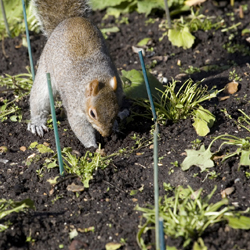
Squirrels like flower bulbs just as much as gardeners, but unfortunately not for their beauty. From the looks of the remains – chewed remnants, dug up holes, battered foliage – those bulbs became expensive squirrel food. Fortunately, if you want to plant daffodils, alliums, scilla, hyacinths, squills or fritillaria, your bulbs should be safe. Generally, squirrels don’t eat these. But how can you protect the bulbs that make the tastiest squirrel treats?

Keeping Squirrels Out of the Flowerbeds

Go ahead and order your bulbs. While you’re waiting for delivery, decide which of the three basic methods you will use to prevent the squirrel attacks. A small investment of time and materials will protect your bulbs.

  1. Mesh Barriers
    Wire mesh is the best protection to keep squirrels away from bulbs. Dig the hole for several bulbs, make a “cage” using mesh around the bulbs and fill in the soil. If the squirrels dig, the mesh will prevent them from eating the bulbs. You may also plant the bulbs as usual and place a layer of mesh on the soil. You’ll have to secure it to keep it in place then cover with mulch. Be sure the mesh layer is wide enough so squirrels cannot easily dig around the sides to reach the bulbs.
  1. Repellants
    Garden centers sell many different squirrel repellants, and deer repellants also repel squirrels. Some gardeners swear to the effective use of red pepper flakes mixed in the soil around, and over, the bulbs. Many squirrels don’t like spicy tastes, but pepper flakes may need to be replaced after heavy spring rains to be the most effective.
  1. Sharp Gravel
    Adding sharp gravel to the soil around and over the bulbs also deters squirrels from digging. Not only do they not like the feel of the gravel on their sensitive paws, but the gravel – which is heavier than dirt or mulch – is more difficult to move, so the bulbs stay safer.

There is another option to keep squirrels away from bulbs without completely discouraging their visits. If you can’t beat ’em, join ’em – because squirrels look for the easiest food sources, a squirrel feeding station stocked with corn and peanuts may be just the thing to keep the squirrels from looking for your buried treasures!

squirreldigging_250x250

bulbs_250x250