Author Archives: Dammann's Garden Center

Protecting Our Pollinators

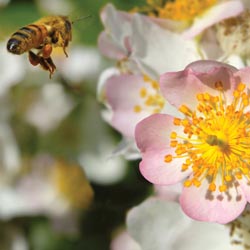
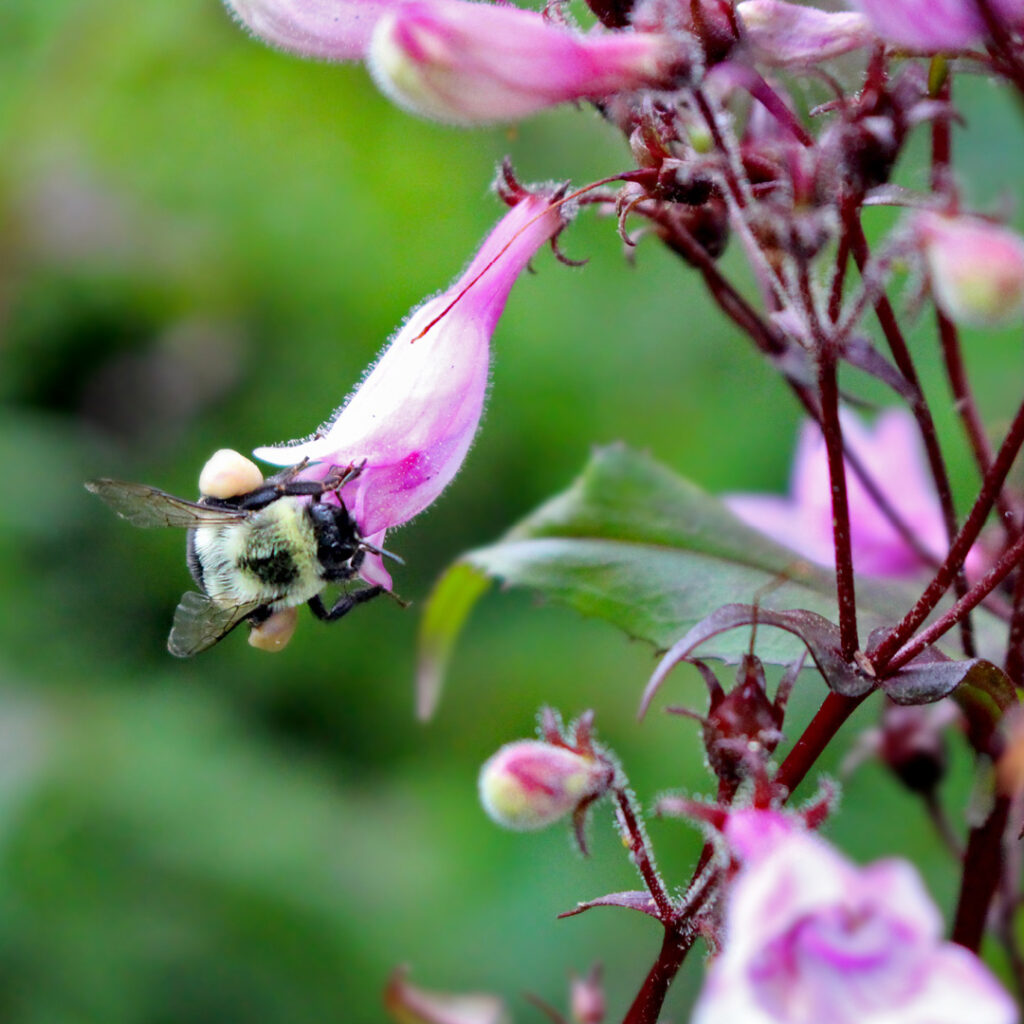
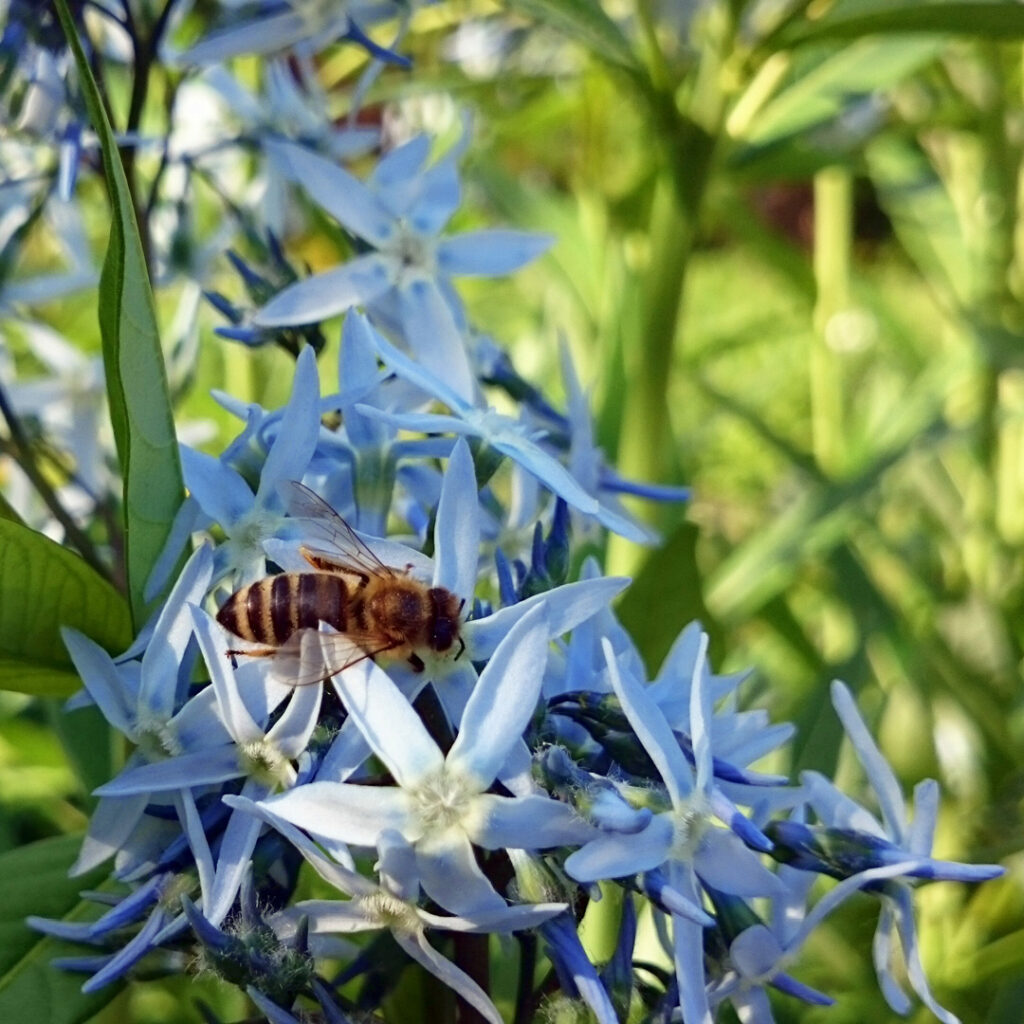
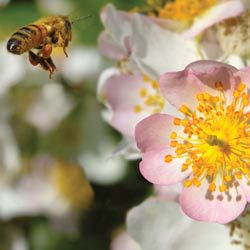
Every garden requires pollinators, and bees are among the finest. Without them there would be limited flowers and far fewer fruits and vegetables. Did you know that about 30 percent of the food we eat depends on the pollination of bees, including onions, cashews, coffee, carrots, chocolate and vanilla? If we don’t protect these prolific pollinators, our landscapes, gardens and diets will be irrevocably changed.

About Bees
Although there are many bees that are great pollinators, like carpenter, mining, sweat and cellophane bees, some of the most well known and easily identified bees are the honeybee and bumblebee. Both of these bees live in social colonies and are cavity nesters. Because these bees are active all summer long, they require a constant supply of floral nectar close to their hive and they thrive in flower gardens, orchards and other areas with abundant blooms.

Unfortunately, both these types of bees – along with many others – are disappearing rapidly, and two key threats are to blame.

  • Habitat Loss: As more natural habitat is lost to development, there are fewer nesting locations and inadequate food supplies for bees. While meadows developed into resorts and parks disappearing for strip malls are obvious examples of development, other less visible developments that can hurt bees include widespread use of flower cultivars that do not produce adequate nectar, eliminating critical bee food sources.
  • Pesticide Drift: Widespread, abundant spraying of pesticides to protect crops, lawns and parks can inadvertently hurt bees. Stronger pesticides can kill bees directly, while less potent toxins can contaminate nectar and will gradually build up to fatal levels in bees’ systems. Even if pesticides are not sprayed in areas where bees are abundant, high level spraying can easily be spread by wind patterns into critical bee habitats.

Inviting Bees to Your Garden
Fortunately, it is easy to bring more bees to your garden and encourage healthy bee populations. To support local bees…

  • Planting a variety of flowers that will bloom throughout the entire summer to provide ongoing food supplies.
  • Opt for native flower varieties that will be more easily recognized and used by bees, instead of introduced flowers that are less familiar.
  • Eliminate chemical use in your yard, as much as possible, including on your lawn, garden and trees, especially while plants are in flower.
  • Provide bees a safe place for shelter and to lay their eggs. A wood pile is suitable, or you can invest in a specialized bee house.
  • Make sure that there is an available water source for your bees. A bird bath or any simple water basin works just fine.

Want to bring bees to your yard and help them feel at home? Start with this list of native plants bees love, and ask our experts for more tips about keeping your lawn and garden bee-friendly!

Native Plants That Attract Bees

  • Apple (Malus)
  • Aster (Aster)
  • Blackberry & Raspberry (Rubis)
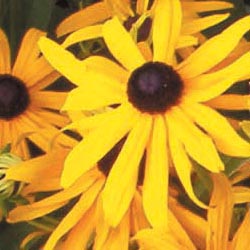
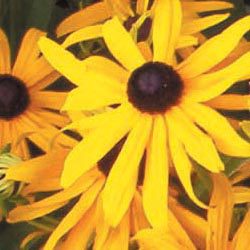
  • Black-Eyed Susan (Rudbeckia)
  • Blueberries (Vaccinium)
  • Currant (Ribes)
  • Elder (Sambucus)
  • Goldenrod (Solidago)
  • Highbush Cranberry (Viburnum)
  • Joe-Pye Weed (Eupatorium)
  • Penstemon (Penstemon)
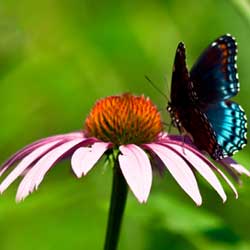
  • Purple Coneflower (Echinacea)
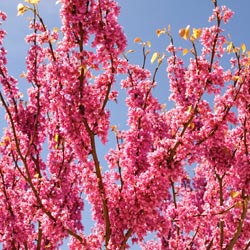
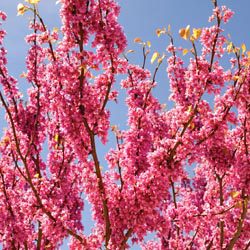
  • Redbud (Cercis)
  • Rhododendron (Rhododendron)
  • Sage (Salvia)
  • Stonecrop (Sedum)
  • Sunflower (Helianthus)
  • Willow (Salix)

bee_2
bee_3
bee_1

Creating a Meditation Space in Your Garden

Gardening can be a relaxing, therapeutic hobby as you nurture seedlings, encourage growth and bring your harvest to fruition. But if you just want to take a moment to breathe, reflect and center yourself, it isn’t necessary to get out the garden clogs, sharpen your hand tools or get dirt under your fingernails. Creating a peaceful meditation space in your garden is easy, and can turn any garden into your own private sanctuary.

The Need for Peace

As our lives get ever busier with hectic schedules and cramped appointments, it may seem impossible to have any time for thoughtful reflection or meditation. Furthermore, smaller living spaces and more crowded urban areas can make it seem equally impossible to have any space for solitary peace. Without the ability to relax, we’re faced with skyrocketing stress in our lives, along with a host of different health problems such as tension headaches, high blood pressure, depression, obesity and more. More and more studies, however, are demonstrating that time spent in nature is beneficial for reducing stress and tension, and there’s no better place to easily enjoy nature than in your own garden.

Your Peaceful Purpose

Before creating your meditation space, you need to plan what you want to use it for in order to ensure you have enough room and all the right touches for your peaceful retreat. Meditation can mean something different to everyone – you might prefer a place for quiet, contemplative prayer, or you could be interested in an outdoor space for yoga practice. For some people, a restful space for coloring or painting is their ideal meditation spot, while others may want a natural niche for reading or journaling. Creating or listening to music may be part of your meditation practice, or even a cozy spot for an outdoor nap. Whatever means peace and relaxation to you, it can be incorporated into your garden.

Eliminating Distractions

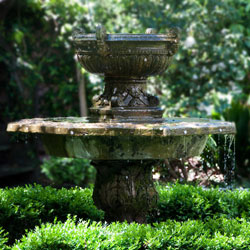
Once you know how you will use a meditation space in your garden, it is essential to eliminate other distractions and interruptions from that space. Unwanted noises, glaring streetlights, unsavory sights and even unpleasant smells can interrupt meditation and disrupt your relaxation, but it is easy to plan your gardening to eliminate those difficulties. For example, a green wall or trellis can be used to block an unsightly view, and the plants on it will help muffle noises. You could also consider a small fountain for the soothing tinkle of running water to block traffic or neighborhood noises. Climbing, clinging vines can be used to cover structures with greenery to increase the natural feel of the space. Opt for arbors or pergolas that can help create comfortable shade and define the space without completely blocking sunlight, and consider fragrant flowers nearby if unwanted aromas are invading your garden.

Adding Joy to Your Garden Space

Once your meditation area is structured and distractions are minimized, it is time to add your own personal joy into the space. What brings joy to the space will vary from garden to garden and even from season to season, but it should be a personal choice and something that helps draw you into the space. Consider…

  • Seating
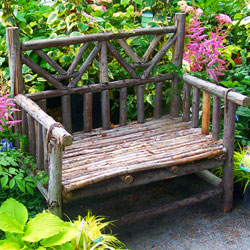
    In order to enjoy your meditation space, you will need a place to sit and relax within it. This may be a comfortable bench, a cozy chaise lounge, a soothing hammock or any other type of seating. A chair-sized boulder can be a natural alternative, or you may opt for a more whimsical swing to add a dash of fun to your personal space.
  • Sights
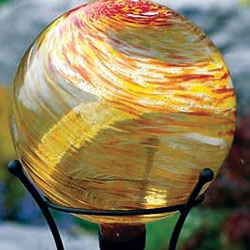
    You’ve taken steps to block sights you don’t want to see in your garden, but a good meditation space will also include sights you want to look at. A bird feeder or bird bath can invite beautiful feathered friends to share your space, or you might prefer a lovely piece of garden art, a gazing ball, plants in your favorite colors or even unique mulch or paving stones in a therapeutic pattern.
  • Sounds
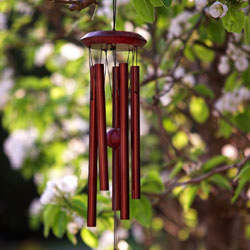
    Pleasant sounds can help add a focal point to your meditation space, allowing you to focus on unique tones to help center yourself. A wind chime, waterfall fountain or even a way to bring your favorite music outdoors can be a wonderful addition to a peaceful meditation space.
  • Water
    Water can serve several purposes in a meditation space. Flowing or splashing water provides natural white noise, and the sparkles of the water are ideal for meditative gazing or creating soothing reflections. Consider different aquatic options, such as a small stream or brook, a weeping rock, a fountain or even a reflecting pool. You can even opt for a small pond for goldfish or koi if you desire.

Above all, remember that there are no strict rules for creating your personal meditation space. Whatever brings you peace and joy can be part of your design, and it can change as your tastes and preferences change. Garden meditation spaces can vary as much as any other part of the garden, but each one helps nurture our green spirits.

What Is the Difference Between an Annual, a Perennial, and a Biennial?

All living creatures, including plants and flowers, have expected lifespans. Recognizing the differences between annuals, perennials, and biennials can help you determine the life expectancies of different garden center plants so you can choose the varieties that will work best in your garden, landscape, and containers.

Annuals
Annual plants are fairly straightforward. These plants complete their entire lifespan in just one year or growing season, from first sprouting from seeds and growing foliage, stems, and blooms to creating seeds to continue the next generation. After the plants die, they will not regrow from their initial roots, but must restart from seeds again as completely new plants. Annuals are generally faster growing and have longer bloom seasons, making them colorful showstoppers in the garden and landscape.

Common and popular annuals include…

  • Begonias
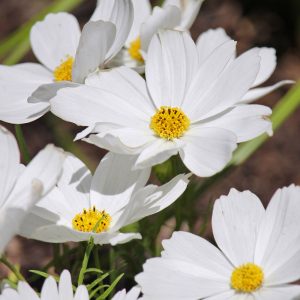
  • Cosmos
  • Impatiens
  • Marigolds
  • Petunias
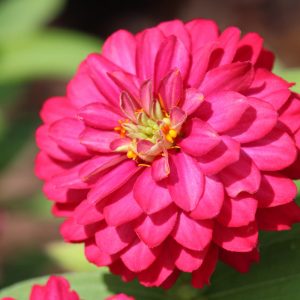
  • Zinnias

In addition to many popular flowers, most garden vegetables are also grown as annuals, though some of them would botanically be classified as perennials if they were allowed to remain in place for multiple years.

Perennials
Perennial plants are those with a lifespan that lasts at least three years, though they can live significantly longer as well. Perennial foliage may die back during the winter months but will regrow from dormant roots the next season. These plants often take longer to mature and may have shorter blossom times than annuals, but they can provide many years of beauty in the landscape.

Familiar perennials include…

  • Coneflowers
  • Coral bells
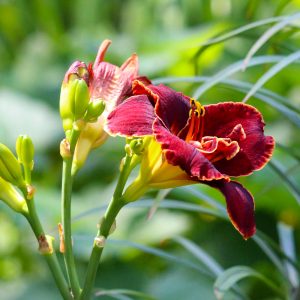
  • Daylilies
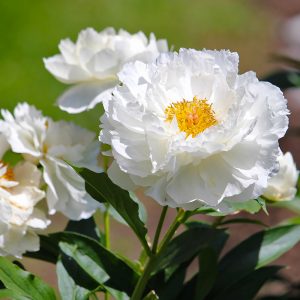
  • Peonies
  • Phlox
  • Sedum

In addition to these elegant and popular flowers, hedges and trees are also perennials. These plants are staples in the yard and provide a foundation for any landscape.

Biennials
Biennials fall between annuals and perennials with a two-year life cycle. During their first year, these plants establish leaves, roots, and stems. Though they may die back slightly over the winter, they will rejuvenate in the spring and grow flowers in their second year, maturing to seeds before the plants die completely.

Familiar biennial flowers include…

  • Canterbury bells
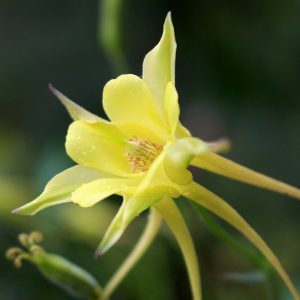
  • Columbine
  • Dame’s rocket
  • Forget-me-nots
  • Foxglove
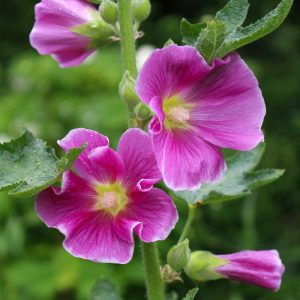
  • Hollyhocks

Because these plants do not bloom in their first year, patience is essential to enjoy their beauty in their second year. Planting biennials in two successive years can ensure the plants enhance the landscape in multiple years.

Choosing Annuals, Perennials, and Biennials for Your Yard
Once you understand plant lifespans, you can more easily choose the plants that will give you a landscape you love. When choosing plants, larger perennials can create a stunning foundation or border for your yard, including showstopping specimen plants and shade trees. Smaller perennials can fill in larger spaces in flowerbeds and edging, while annuals add brilliant color to pathways, edges, and very visible spaces, including porch pots and containers.

Biennials can be spectacular transition plants, particularly if you may plan on expanding your landscaping beds in the future, or want to fill in a space temporarily before adding a new deck, porch, or otherwise expanding your home or outdoor living space. Biennials are also great choices if you want to enjoy a changing landscape without as much work each year, because you can enjoy the plants for two years before they need replacing. Many biennials are self-seeding making them great additions to the cottage garden.

Ultimately, a landscape that includes a thoughtful mix of annuals, perennials, and biennials will showcase different colors, textures, and growth patterns for stunning visual interest. New cultivars are developed every year, and greenhouses often have the latest plants and newest showstoppers on display. If you plan a mixed landscape, you will have the freedom to enjoy new plants as they are introduced and you will always have new plants to be excited about.

Caring for Annuals, Perennials, and Biennials
While the differences between annuals, perennials, and biennials may seem clear, different plants can have different lifespans based on the exact cultivar, gardening zone, climate variations, and even microclimates within an individual landscape. Furthermore, the care plants receive can ensure they reach their maximum potential for the longest, most productive life. Dammann’s Garden Center & Greenhouse experts can provide recommendations and guidance for the best plants based on your preferences and needs and assist you in choosing plants that will thrive in the conditions of your yard, including soil type, sunlight levels, fertilization, moisture levels, and other needs. To provide each type of plant the best care, consider…

  • Annuals – Provide nourishing fertilizer formulated for the type of plant, and weed around them carefully so these fast-growing plants don’t need to compete for moisture and nutrition. Soaker or dripper hoses can also provide great watering as these plants flourish.
  • Perennials – Be sure these plants have adequate space in the landscape to reach their full size. Good quality mulch can help protect the roots each winter so the plants remain healthy for the next spring.
  • Biennials – Take care to provide appropriate fertilizer for these plants in their different life stages, and mulch around those with basal leaves to provide good winter protection during their dormancy.

Adding annuals, perennials, and biennials to your landscape will not only help you learn about plant lifespans, but you will enjoy a more varied and richly diverse landscape, with plants that provide beauty through the years.

Baptisia Briefing: Growing A North American Native

Baptisia australis, commonly known as false indigo or wild indigo, is a stunning perennial plant beloved by gardeners in USDA Hardiness Zones 3 through 9. It offers numerous benefits, from environmental to aesthetic, while also being relatively easy to care for. Here are some reasons why adding Baptisia to your garden can be a great choice:

Baptisia Benefits

Native Plant:
Baptisia australis is native to North America, making it well-suited to local environmental conditions. By planting native species like Baptisia, you can support local ecosystems and provide habitat and food for native wildlife, including pollinators like bees, butterflies, and hummingbirds.

Soil Health:
Baptisia is a nitrogen-fixing plant, meaning it has a symbiotic relationship with certain soil bacteria that allows it to convert atmospheric nitrogen into a form that can be used by plants. This helps improve soil fertility and overall soil health, reducing the need for synthetic fertilizers.

Beautiful Flowers:
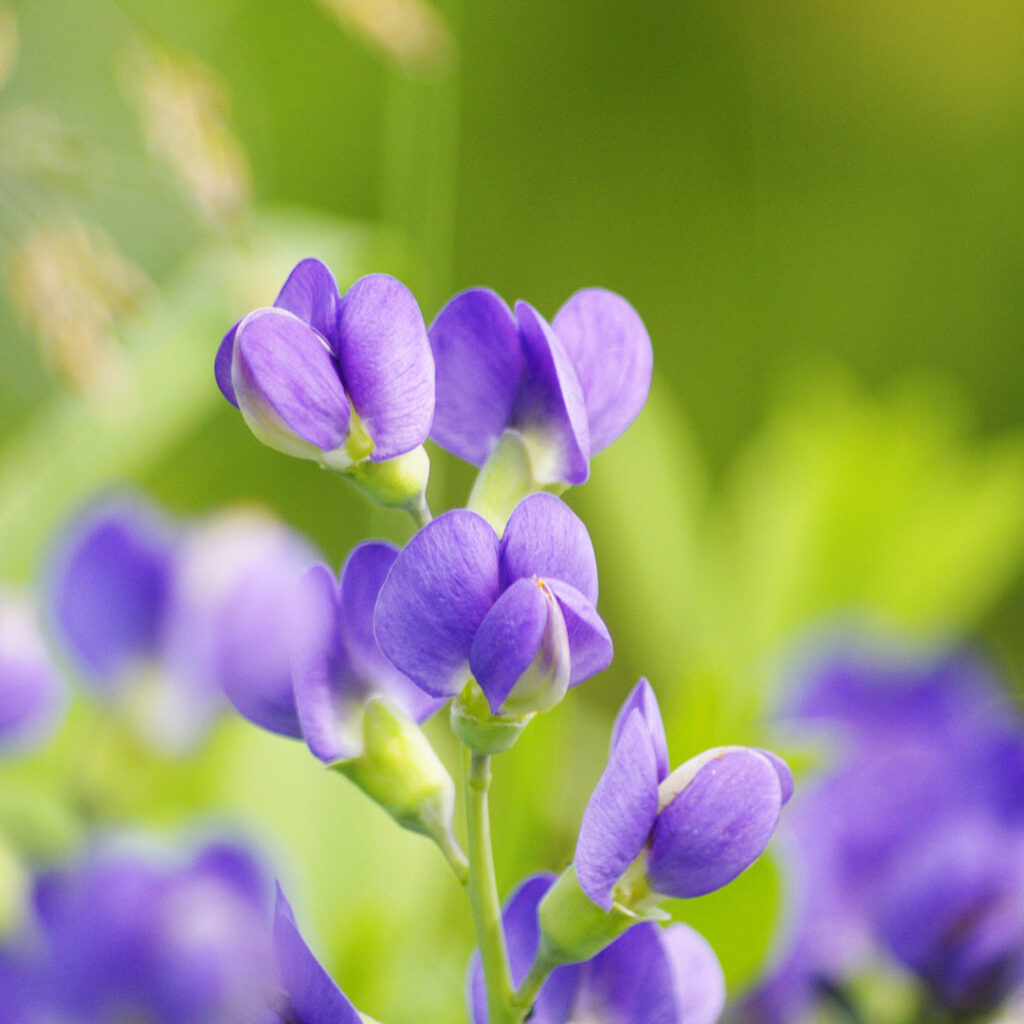
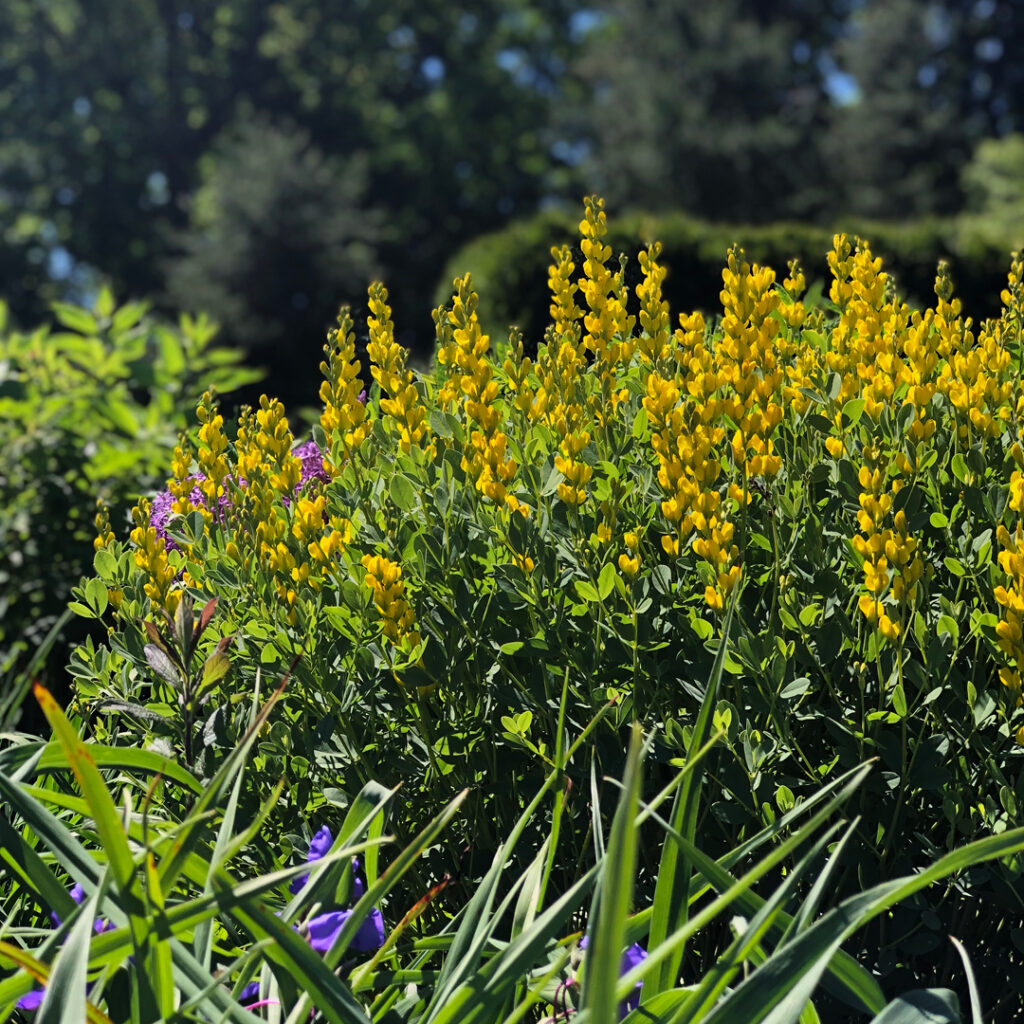
Baptisia australis produces stunning spikes of deep blue to purple lupine-like flowers in late spring to early summer, adding a vibrant splash of color to the garden and bouquets.

Attractive Foliage:
The foliage is equally appealing as the flowers. With blue-green eucalyptus-like leaves, Baptisia adds texture and interest to the garden even when the plant is not in bloom. The leaves are a long-lasting cut foliage for summer bouquets.

Architectural Form:
The upright, bushy growth habit of Baptisia australis adds structure and architectural interest to garden beds and borders. Even when not in bloom, its foliage provides a handsome backdrop for other plants in the garden.

Seed Pods:
After the flowers fade, Baptisia develops interesting seed pods that persist into fall and winter, adding visual interest and texture to the garden landscape.

Low Maintenance:
Once established, Baptisia australis is a low-maintenance plant that requires minimal care. It is drought-tolerant and thrives in a wide range of soil types, including poor, sandy, or clay soils. It is also relatively pest and disease-resistant, further reducing the need for human intervention.

Longevity:
Baptisia australis is a long-lived perennial, providing decades of beauty and enjoyment in the garden without the need for division or replacement.

Planting and Growing Baptisia

When growing Baptisia, selecting the right location is crucial for its success. Baptisia thrives in full sun to partial shade, preferring at least six hours of sunlight daily. Ensure that the soil is well-draining, as Baptisia does not tolerate waterlogged conditions. While it can adapt to various soil types, it prefers slightly acidic to neutral soil with a pH of 6.0 to 7.0. This large perennial can grow up to 4 feet wide and tall, giving you a generous bang for your buck. Make sure that you provide it with the room it needs to grow to full maturity as it resents being moved or divided.

Spring or fall is the best time to plant Baptisia. Begin preparing the planting area by loosening the soil and incorporating organic matter such as compost. Dig a hole slightly larger than the plant’s root ball and place the Baptisia at the same depth it was previously growing. Backfill the hole with soil, gently firming it around the plant, and water thoroughly. Adding a layer of mulch to the surrounding soil will help prevent the newly planted perennial’s roots from drying too quickly.

Once established, Baptisia is relatively low-maintenance. Water newly planted Baptisia regularly during the first growing season to help it establish a robust root system. Afterward, Baptisia is drought-tolerant and typically only requires supplemental watering during prolonged dry spells.

In early spring, before new growth emerges, prune Baptisia by cutting back the previous year’s growth to the ground. This encourages healthy new growth and helps maintain the plant’s shape. At this time, apply a layer of mulch around the base of the plant to conserve moisture, suppress weeds, and insulate the roots.

Baptisia Garden and Landscape Design

Baptisia can be used in a variety of ways to create stunning effects. It works well as a border plant, edging pathways, or defining garden beds. Planted en masse, it can create a bold statement in the landscape. Planted alone, it will provide a striking focal point. Baptisia also pairs beautifully with other perennials and shrubs, adding depth and dimension to mixed borders and perennial gardens.

For a naturalistic look, Baptisia can be incorporated into prairie or meadow-style plantings, where it can mingle with grasses and wildflowers to create a relaxed atmosphere. It can also be used in other informal designs, such as densely planted cottage gardens, where it will capture attention in the early part of the growing season. Give it a try in formal borders, where its upright habit and structured foliage provide a sense of order and balance. Overall, Baptisia is a plant that finds its way to work well in just about any garden situation.

Beautiful Baptisia should grace every garden! Not only does this perennial provide unique and vibrant flowers, foliage, and seed pods on a plant with a lovely architectural form, but it also offers environmental benefits, such as supporting native wildlife and improving soil health. Its ease of care makes it an excellent choice for both beginner and experienced gardeners looking to create a sustainable and visually appealing landscape. Plant a few today!

Rain Gardens: Created for Beauty and Functionality

Rain gardens are more than just picturesque additions to a landscape; they are powerful tools for sustainability and environmental stewardship. In a time when climate change is a pressing concern, rain gardens offer a practical solution to mitigate stormwater runoff, promote biodiversity, and enhance the beauty of outdoor spaces. Let’s explore what rain gardens are, their benefits, how to design and build one, and why they are essential for both urban and suburban environments.

What are Rain Gardens?

Rain gardens are shallow, landscaped depressions designed to capture, absorb, and filter rainwater runoff from roofs, walkways, driveways, and other impervious surfaces. By mimicking a natural water filtering process, they help reduce the volume and velocity of stormwater runoff, thus preventing erosion, flooding, and pollution of water bodies.

Benefits of Rain Gardens

  • Stormwater Management: Rain gardens act as natural sponges, absorbing excess rainwater and allowing it to infiltrate the soil. This helps restore groundwater supplies and reduces the burden on stormwater infrastructure.
  • Water Quality Improvement: As rainwater percolates through the soil in a rain garden, it undergoes filtration, removing pollutants and contaminants before reaching groundwater or nearby water bodies.
  • Habitat Creation: Rain gardens provide valuable habitat for native plant species, pollinators, and other wildlife, promoting biodiversity and ecological resilience.
  • Aesthetic Appeal: With their diverse array of plants, textures, and colors, rain gardens enhance the visual appeal of outdoor spaces, creating vibrant landscapes that change with the seasons.
  • Climate Resilience: By reducing runoff and increasing infiltration, rain gardens help ease the impacts of extreme weather events, such as heavy rainfalls and flash floods, associated with climate change.

Designing and Building a Rain Garden

  • Site Selection: Choose a location for your rain garden that receives runoff from impervious surfaces, such as roofs or driveways, and has well-draining soil. Rain gardens should be situated at least ten feet from the foundation of a house or building.
  • Size and Shape: Determine the size and shape of your rain garden based on the amount of runoff it will receive and the available space. Typically, rain gardens are shallow depressions with gently sloping sides.
  • Soil Preparation: Amend the soil in the rain garden area with compost or organic matter to improve drainage and fertility.
  • Plant Selection: Select native plants adapted to local soil and climate conditions, with a mix of species that can tolerate both wet and dry periods.
  • Mulching: Apply a layer of mulch, such as shredded bark or wood chips, to the surface of the rain garden to suppress weeds, retain moisture, and enhance soil health.
  • Maintenance: Regular maintenance, including weeding, watering during dry spells, and occasional pruning, is essential to keep your rain garden healthy and thriving.

Plants for the Mid-Atlantic Rain Garden

Rain gardens are fantastic for managing stormwater runoff and supporting local biodiversity. Here are some great plant options for rain gardens in the Mid-Atlantic region that will thrive in moist conditions:

Perennials:

Beardtongue (Penstemon)
Blue-Star Flower (Amsonia hubrectii)
Coneflower (Echinacea spp.)
False Blue Indigo (Baptisia australis)

Ferns:

Christmas Fern (Polystichum acrostichoides)
Cinnamon Fern (Osmunda cinnamomea)
Royal Fern (Osmunda regalis)
Sensitive Fern (Onoclea sensibilis)

Grasses:

Big Bluestem (Andropogon gerardii)
Little Bluestem (Schizachyrium scoparium)
River Oats (Chasmanthium latifolium)
Switchgrass (Panicum spp.)

Shrubs:

Northern Bayberry (Myrica pensylvanica)
Spicebush (Lindera benzoin)
Sweetshrub (Calycanthus floridus)
Winterberry Holly (Ilex verticillate)

Trees:

American Holly (Ilex opeca)
Eastern Redbud (Cercis canadensis)
River Birch (Betula nigra)
Serviceberry (Amelanchier canadensis)

Remember to consider the specific conditions of your rain garden, such as sunlight exposure and soil type, when selecting plants. Additionally, incorporating a variety of species, such as native trees, shrubs, perennials, grasses, and ferns, can help provide habitat for diverse wildlife and promote ecosystem resilience.

In addition to their beauty and beneficial plant diversity, rain gardens play a crucial role in promoting community resilience and fostering a deeper connection to the natural world. By creating and maintaining rain gardens, individuals, neighborhoods, and municipalities can contribute to broader efforts to combat climate change, protect water resources, and create more sustainable, livable communities.


Edible Flowers

Flowers aren’t just for beautiful dining table centerpieces anymore! For all you “foodies” out there, who also love flowers, are you aware that there are numerous blooms that are not only edible but also delicious? Flowers make a striking, colorful, textural and flavorful addition to soups, salads, baked goods and more.

Safety First

There are just a couple of things to keep in mind when experimenting with unfamiliar flowers. Not all flowers are edible and some can be poisonous, even in small tastes. Be certain to clearly identify your flowers and accept no imposters, as some blooms can look very similar. Also, it is best to use flowers that have not been sprayed with chemicals – either fertilizers or pesticides. The best way to avoid both of these issues is to grow your own edible flowers from seed, keeping them conveniently in a kitchen container garden or safely on a deck or patio where there’s no risk of contamination or misidentification.

Favorite Edible Flowers

There are surprising blooms that can be tasty accents to your favorite dishes. For the best flavor and freshness, harvest blooms at their peak early in the day. Younger and older blooms or blooms of different sizes often have subtly different flavors, so be sure to experiment to find your favorites.

  • Bee Balm (Monarda didyma) – Tea-like flavor, flowers in white, pink, red and lavender
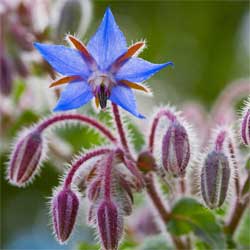
  • Borage (Borago officinalis) – Cucumber-like taste, flowers in lavender, purple and blue
  • Calendula (Calendula officianalis) – Peppery taste, flowers in yellow, orange and gold
  • Chive (Allium schoenoprasum) – Onion flavor, flowers in white, pink and lavender
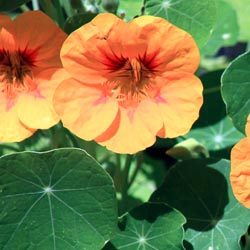
  • Nasturtium (Tropaloum majus) – Peppery flavor, flowers in white, yellow, orange and red
  • Pineapple Sage (Salvia eleagans) – Sage flavor with pineapple undertones, flowers in scarlet
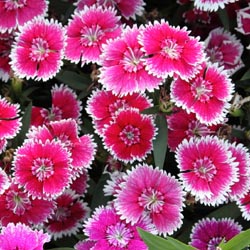
  • Pinks (Dianthus spp.) – Clove-like flavor, flowers in white, pink and red
  • Red Clover (Trifolium pretense) – Sweet tasting, flowers in pink and red
  • Signet Marigold (Tagetes tenufolia) – Citrus taste, flowers in white, yellow, gold and red
  • Viola or Pansy (Viola spp.) – Sweet flavor, flowers in a multitude of colors

Not sure which recipes to try? Flowers make surprising accents to salads or garnishes for cakes, cookies and ice creams. Add flower petals to a favorite drink, or freeze blooms in ice cubes for colorful cooling. There are even recipes available for sauces, salsas, marinades and more, all with more taste and color thanks to edible flowers. Bon appétit!

5 Most Common Houseplant Pests

It’s not unusual or a sign of failure if houseplants become infested with some common potted plant pests. This problem is more pervasive when introducing newly purchased plants to the home, moving tender houseplants from the outdoors back inside with the changing seasons, and finally, when houseplants are under stress. These buggers can wreak havoc, leaving plants unhappy, unhealthy, and downright unattractive. However, even the most tenacious pests can be controlled with conscientious care. By acting quickly when these unwanted guests are first noticed, you can completely remove an infestation and keep your houseplants healthy, happy, and thriving.

Top 5 Common Houseplant Pests and Controlling Them

There are quite a number of houseplant pests that can make both you and your plants miserable. We’ve covered the five most common ones in this article.

Fungus Gnats

These tiny, flying pests, resembling fruit flies, don’t harm houseplants in their mature, adult form, but fungus gnat larvae live in houseplant soil and feed on organic material. This not only robs the plant of nutrition, but the larvae may also nibble on the plant’s roots. While they don’t cause much overall damage to an otherwise healthy plant, fungus gnats can be very irritating when they form cloud-like flocks hovering around a plant’s foliage.

Overwatering encourages fungus gnats, and they can be notoriously difficult to eradicate. Begin control by repotting the plant in fresh potting soil. Before repotting, rinse the roots to wash away any larvae. If reusing the same container, be sure to sterilize it before repotting. Use a high-quality, well-draining potting mix. Once repotted, reduce the amount of water and frequency, allowing the top inch of the soil to dry between waterings. Bottom watering will also make the environment less attractive to fungus gnats. In addition, mixing diatomaceous earth into the potting soil, adding a layer of chicken grit to the soil surface, or applying Bt var. israelensis (Bti-H14) will all help to control fungus gnat larvae organically.

Mealybugs

The tell-tale sign of these tiny, sap-sucking insects is a white, waxy, cottony substance frequently found on the underside of plant leaves and in plant stem crotches. As they suck the plant’s sap, the leaves wither and wilt. Yellowing leaves can also indicate an infestation, mainly if leaves are seen throughout the plant rather than just older bottom foliage.

When a houseplant is heavily infested with mealybugs, the fastest way to control the pests is to prune away infected foliage and prudently discard it. If the infestation is light, the bugs can be deterred first with a strong stream of water followed by an application of Neem oil. Rubbing alcohol is also an effective control measure. Apply the alcohol directly to the pests with a cotton swab or ball soaked in alcohol. Regardless of the control method used, immature mealybugs can be easily missed. Keep an eye out and retreat the plant as necessary.

Spider Mites

These pests are very destructive to all houseplants and can be challenging to get rid of. The mites themselves are so tiny that they may not be noticeable even with a heavy infestation, but their webs on the undersides of foliage or stretching between stems are easier to see. Leaves that show yellow stippling may also indicate an infestation.

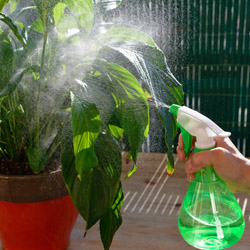
Spider mites thrive in dry conditions, so keeping houseplants’ humidity high is an excellent way to deter them. Running a humidifier, frequent misting, grouping pots, and sitting pots on a water-filled pebble tray are all helpful solutions. When the bugs are present, neem oil spray should be used weekly to remove them and keep them from returning. Alternatively, light cleaning with insecticidal soap is also an effective way to control spider mites.

Aphids

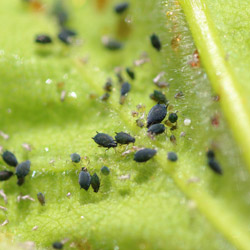
While better known for their outdoor infestations, aphids can also be a problem for indoor houseplants. They are tiny insects, no more than one-eighth of an inch in size, and range from green or black to reddish or white. They are plump insects and get that way as they suck sap from the plant, usually on the foliage or stems. The plant will gradually wilt as it is unable to stay firmly upright while the aphids drain its sap.

Aphids are easily dislodged with a blast of water, so a cleansing shower is an excellent way to remove them without any unnecessary chemicals. If the infestation is extreme, washing the plant gently with an insecticidal soap may be necessary. Neem oil spray can also be effective for controlling aphids on houseplants.

Scale

These insects have a hard, oval-shaped shell that gives them a tough, scale-like exterior as they line up on a plant’s stems in tight clusters, similar to barnacles on a boat’s hull. These pests suck sap from the plant and then produce a sticky, honeydew residue that can coat the plant and lead to mildew or may attract additional pests.

Your first line of defense is gently scraping scale bugs off with your fingernail, taking care not to scratch or damage the already stressed plant. Dabbing the insects with a cotton swab or ball soaked in rubbing alcohol or spraying with neem oil can also be effective.

Minimizing Houseplant Pests

No matter which pests present a problem, it’s always best to avoid infestations altogether rather than try to control them after the insects have already appeared. To minimize the risk of bugs taking over your houseplants…

  • Purchase new plants only from a reputable retailer like Dammann’s Garden Center & Greenhouse. We offer pest-free houseplants, effective plant care products, and the support you may need to identify and combat pest problems.
  • Scrutinize new plants before purchasing and avoid plants with signs of pests.
  • Quarantine any new plant for at least a week to ensure it has no unwanted guests, including outdoor summer plants that will overwinter as houseplants.
  • Use high-quality, well-drained potting soil for all houseplants rather than garden soil that isn’t sterilized and can harbor pests.
  • Provide houseplants with optimum care so they are not stressed, as this can make them more susceptible to pest infestations.
  • Sterilize all houseplant equipment regularly, including pots that will be reused, pruners and shears, and watering cans, to be sure no pests are carried between plants.
  • Stay alert at all times for signs of possible insect infestations. The faster you act, the easier it will be to control these houseplant pests.

Finding pests on your houseplants can be frustrating or downright frightening, but don’t worry; with careful monitoring, appropriate control measures, and Dammann’s Garden Center & Greenhouse in your corner, your plants will soon be pest-free.

Protecting Our Pollinators

Every garden requires pollinators, and bees are among the finest. Without them there would be limited flowers and far fewer fruits and vegetables. Did you know that about 30 percent of the food we eat depends on the pollination of bees, including onions, cashews, coffee, carrots, chocolate and vanilla? If we don’t protect these prolific pollinators, our landscapes, gardens and diets will be irrevocably changed.

About Bees

Although there are many bees that are great pollinators, like carpenter, mining, sweat and cellophane bees, some of the most well known and easily identified bees are the honeybee and bumblebee. Both of these bees live in social colonies and are cavity nesters. Because these bees are active all summer long, they require a constant supply of floral nectar close to their hive and they thrive in flower gardens, orchards and other areas with abundant blooms.

Unfortunately, both these types of bees – along with many others – are disappearing rapidly, and two key threats are to blame.

  • Habitat Loss: As more natural habitat is lost to development, there are fewer nesting locations and inadequate food supplies for bees. While meadows developed into resorts and parks disappearing for strip malls are obvious examples of development, other less visible developments that can hurt bees include widespread use of flower cultivars that do not produce adequate nectar, eliminating critical bee food sources.
  • Pesticide Drift: Widespread, abundant spraying of pesticides to protect crops, lawns and parks can inadvertently hurt bees. Stronger pesticides can kill bees directly, while less potent toxins can contaminate nectar and will gradually build up to fatal levels in bees’ systems. Even if pesticides are not sprayed in areas where bees are abundant, high level spraying can easily be spread by wind patterns into critical bee habitats.

Inviting Bees to Your Garden

Fortunately, it is easy to bring more bees to your garden and encourage healthy bee populations. To support local bees…

  • Planting a variety of flowers that will bloom throughout the entire summer to provide ongoing food supplies.
  • Opt for native flower varieties that will be more easily recognized and used by bees, instead of introduced flowers that are less familiar.
  • Eliminate chemical use in your yard, as much as possible, including on your lawn, garden and trees, especially while plants are in flower.
  • Provide bees a safe place for shelter and to lay their eggs. A wood pile is suitable, or you can invest in a specialized bee house.
  • Make sure that there is an available water source for your bees. A bird bath or any simple water basin works just fine.

Want to bring bees to your yard and help them feel at home? Start with this list of native plants bees love, and ask our experts for more tips about keeping your lawn and garden bee-friendly!

Native Plants That Attract Bees

  • Apple (Malus)
  • Aster (Aster)
  • Blackberry & Raspberry (Rubis)
  • Black-Eyed Susan (Rudbeckia)
  • Blueberries (Vaccinium)
  • Currant (Ribes)
  • Elder (Sambucus)
  • Goldenrod (Solidago)
  • Highbush Cranberry (Viburnum)
  • Joe-Pye Weed (Eupatorium)
  • Penstemon (Penstemon)
  • Purple Coneflower (Echinacea)
  • Redbud (Cercis)
  • Rhododendron (Rhododendron)
  • Sage (Salvia)
  • Stonecrop (Sedum)
  • Sunflower (Helianthus)
  • Willow (Salix)


Perennial Power

Perennials may not be the best showstoppers in a garden full of annuals, but they make great foundation plantings to serve as a reliable backdrop or trusty fillers among other plants. There’s no reason you can’t select perennials that are just as beautiful as your favorite annuals, however, it’s just a matter of choosing the flowers that pack the most punch and using them appropriately.

Best Perennials to Choose

When choosing a perennial to fill an empty space in your garden, make sure to get the most bang from your buck by selecting one, or several, long-blooming perennials. These flowers will be worthwhile additions to your landscape for their ongoing staying power, giving you a reliable backdrop and structure to build from.

  • Achillea (Yarrow)
  • Alcea (Hollyhock)
  • Anemone (Wind Flower)
  • Asclepias tuberosa (Butterfly Weed)
  • Campanula (clips series)
  • Clematis ‘Jackmani’
  • Coreopsis (Tickseed)
  • Corydalis lutea (Yellow Bleeding Heart)
  • Delosperma (Ice Plant)
  • Dicentra exima (Bleeding Heart)
  • Echinacea (Coneflower)
  • Gallardia (Blanket Flower)
  • Gaura (Wand Flower)
  • Geranium ‘Johnson Blue’
  • Heliopsis (Sunflower)
  • Hemerocallis ‘Stella D’Oro’ (Daylily)
  • Hemerocallis ‘Happy Returns’ (Daylily)
  • Kniphofia (Red Hot Poker)
  • Lavender
  • Liatris spicata (Gayfeather)
  • Ligularia (Ragwort)
  • Lobelia cardinalis (Cardinal Flower)
  • Lythrum (Loosestrife)
  • Malva (Mallow)
  • Monarda (Bee Balm)
  • Nepeta (Catnip or Catmint)
  • Oneothra ‘Siskiyou’ (Evening Primrose)
  • Perovskia (Russian Sage)
  • Rudbeckia (Coneflower)
  • Salvia (most verticillata)
  • Scabiosa (Pincushion Flower)
  • Shasta Daisy ‘Becky’ or ‘Snow Queen’
  • Stokesia (Stoke’s Aster)
  • Veronica (Speedwell)

Using Your Blooming Perennials

To make your perennials truly pop, it’s important to position them in your landscape where they will show to their best advantage. Popular options include…

  • Filling in between showstopping annuals with perennials that will grow and bloom to cover fading blooms after the annuals are finished.
  • Adding blooming perennials in front of a hedge, fence or privacy screen for extra coverage with a dash of color.
  • Using perennial flowers as a backdrop for lower annual plantings along a house foundation or in other flowerbeds.
  • Creating a naturalized lawn or meadow-like area full of different perennials for a low-maintenance option that still stuns.
  • Planting perennials in hard-to-tend areas, such as alongside a water feature, in tight corners or on terraces so they can be gorgeous with less maintenance.

With so many options for lovely perennials that can be used in many different ways in the landscape, there’s no excuse not to enjoy these easy-care flowers for many years!


Naturescaping With Regional Perennial Wildflowers

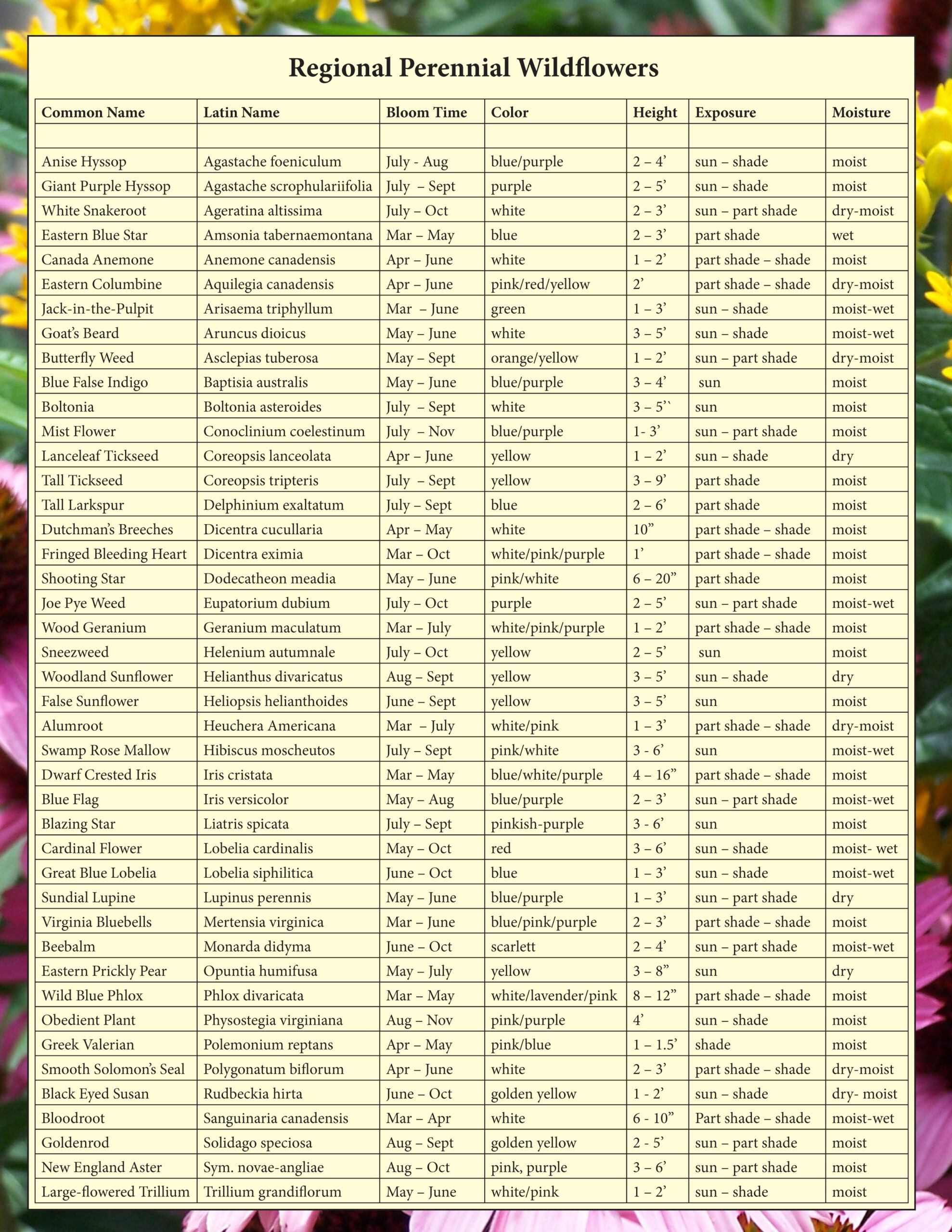
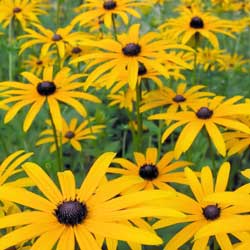
There’s no need to sacrifice beauty when designing or redesigning your yard or garden to be more nature-friendly. Naturescaping is an approach to garden and landscape design that will help save time, money and energy while providing an attractive and healthy habitat for wildlife and people. Readily available native wildflowers can add remarkable beauty to your environment, and since they are adapted to our climate and soils, they require little, if any, supplemental watering, fertilizing or care and are less susceptible to pests and disease. Native plants also attract a variety of native birds, butterflies, moths and bees essential for pollination. As an added bonus, native wildflowers are often less expensive to purchase, and you may even be able to get some varieties free by sharing with neighbors, botanical gardens, wildlife centers or extension services that are encouraging more native planting.
Choosing Native Flowers

There are many beautiful native flowers to choose from, but they won’t all thrive in every yard. When selecting, be certain to match the plant’s moisture requirements and exposure preferences to your site, taking into consideration growth patterns, available space and mature sizes. Also consider choosing flowers with different bloom times so your yard puts on a native show all season long, and tier different plant heights to create layers of natural color and beauty. Then plant, sit back, relax and enjoy!

Our perennial inventory changes daily, so please call or stop by for the most accurate offerings.