
Author Archives: Dammann's Garden Center

Square Foot Gardening

Square foot gardening is a highly efficient method that maximizes space, minimizes waste, and simplifies the gardening process. Mel Bartholomew popularized it in his book “Square Foot Gardening,” which was first published in 1981. Since then, it has gained widespread acclaim for its simplicity and productivity. Still widely used and as popular as ever, allow us to give you some insight into this resourceful and fun form of gardening.

The What and Why of Square Foot Gardening

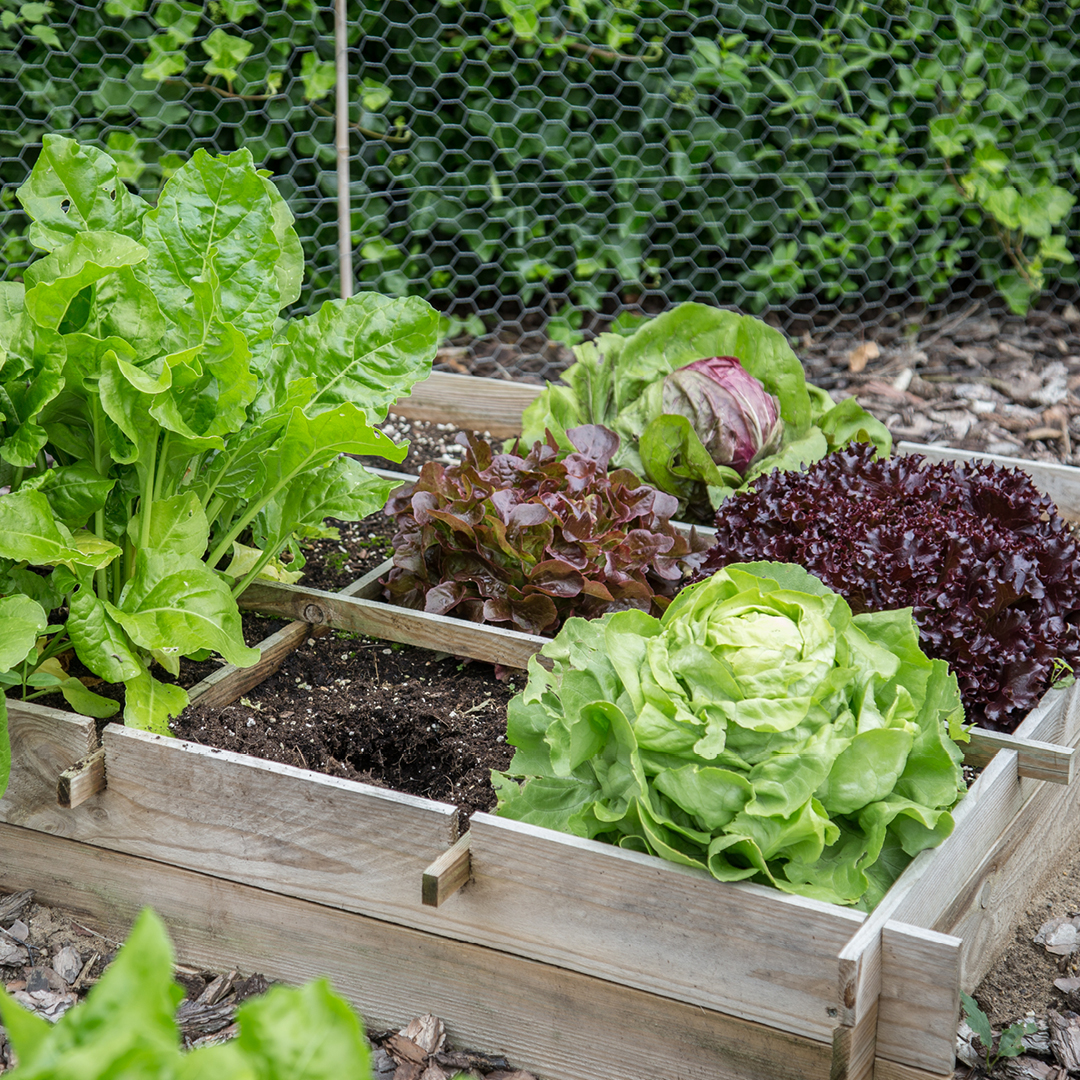
Square foot gardening is a method of intensive gardening that utilizes space by dividing a garden bed into small, manageable squares. Each square foot section is carefully planned and planted with specific crops, allowing for efficient use of space and resources. This technique emphasizes close spacing, weed control, and soil conservation, making it an ideal option for urban spaces or anyone looking to grow a lot in a limited area. Here are some of the many benefits of square foot gardening.

Space Efficiency

Traditional row gardening can be space-intensive and inefficient. Square foot gardening optimizes space by growing plants in a grid layout, allowing you to grow more in less space.

Weed and Pest Control

With square foot gardening, the close spacing between plants helps to naturally suppress weeds by shading the soil and minimizing open space where weeds can take root. Additionally, it’s easier to spot and manage pests in a small, densely planted area.

Water Conservation

By concentrating plants in small, defined areas, square foot gardening reduces water waste by minimizing runoff and evaporation. This makes it an environmentally friendly option, especially in drought-prone areas.

Accessibility

Raised square foot garden beds are typically elevated off the ground, making them more accessible for individuals with mobility issues. Their size, no wider than 4 feet, also makes it easier to reach across, reducing the need for bending and kneeling.

Simplicity and Manageability

Square foot gardening is easy to learn and requires minimal upkeep. Its structured layout makes for efficient use of time and resources.

Steps to Start and Grow a Thriving Square Foot Garden

The first and most important consideration when beginning a square foot garden is its size. It should be manageable and easily accessible from all sides. A width of around 4 feet is often recommended to ensure you can reach the garden’s center without stepping on the soil or plants. In addition to width recommendations, the overall size of your square foot garden can vary based on factors such as space availability, personal preference, and maintenance considerations. Start with a size that fits your needs and gardening goals, and don’t hesitate to adjust or expand your garden as you gain experience and discover what works best for you.

After considering the size, the following list will help you establish your first-ever square foot garden.

  • Prepare
    Build or purchase a raised garden bed. Fill it with a high-quality soil mix containing equal parts of compost, peat moss, and vermiculite or perlite, or simply look for an already prepared, high-quality raised bed soil mix.
  • Divide
    Using a grid system, divide the surface of your garden bed into square foot sections. You can mark these sections using string, wooden slats, or other suitable material.
  • Plan
    Plan your planting arrangement, keeping plants with similar growing requirements together to simplify watering and maintenance. For example, place all lettuce squares together, all herb squares together, etc. Vertical space is exploitable growing space. Utilize trellises, cages, or stakes for vining crops like tomatoes, cucumbers, or pole beans to maximize vertical growing space. Plan for succession planting by staggering plantings of quick-maturing crops throughout the growing season. This ensures a continuous harvest and maximizes garden productivity.
  • Plant
    Each square foot section can accommodate a certain number of plants, depending on their size. Consult an online square foot planting guide to determine the appropriate spacing for each type of vegetable or herb. For example, a single tomato plant may occupy one square foot, while several smaller plants like lettuce or carrots can be planted more densely. Don’t forget to tag your plants. Use labels and plant markers to identify each square foot section and keep track of what you’ve planted. We’ve provided a beginner’s growing guide below.
  • Maintain
    Regular maintenance tasks include watering, weeding, and fertilizing as needed. Since square foot gardens are typically smaller, these tasks are more manageable and require less time and effort than traditional gardens.

Also worthy of consideration:

  • Succession Planting
    As you harvest crops throughout the season, replant empty squares with new crops to maximize your garden’s productivity. Succession planting ensures a continuous harvest and keeps your garden thriving throughout the growing season.
  • Crop Rotation
    Rotate crops within your square foot garden yearly to prevent soil nutrient depletion and minimize pest and disease problems. This involves planting different types of crops in each square foot section to maintain soil health and balance.
  • Season Extension
    Consider using techniques such as row covers, cold frames, or hoop houses to extend the growing season and protect your crops from frost. This will allow you to enjoy fresh produce for a longer period.

Beginner’s Growing Guide: Easy Plants for the Square Foot Garden

For beginners starting with square foot gardening, it’s best to begin with easy-to-grow and versatile vegetables and herbs. Here’s a list of beginner-friendly plants and a simple layout to get started:

Lettuce: Varieties like leaf lettuce or butterhead lettuce are quick-growing and can be harvested multiple times throughout the season. Plant 4 plants per square foot, spacing them about 6 inches apart in a grid pattern.

Spinach: This nutrient-rich green is cold-hardy and can be harvested multiple times as baby greens or allowed to mature. Plant 9 spinach plants per square foot, spacing them about 4 inches apart in a grid pattern.

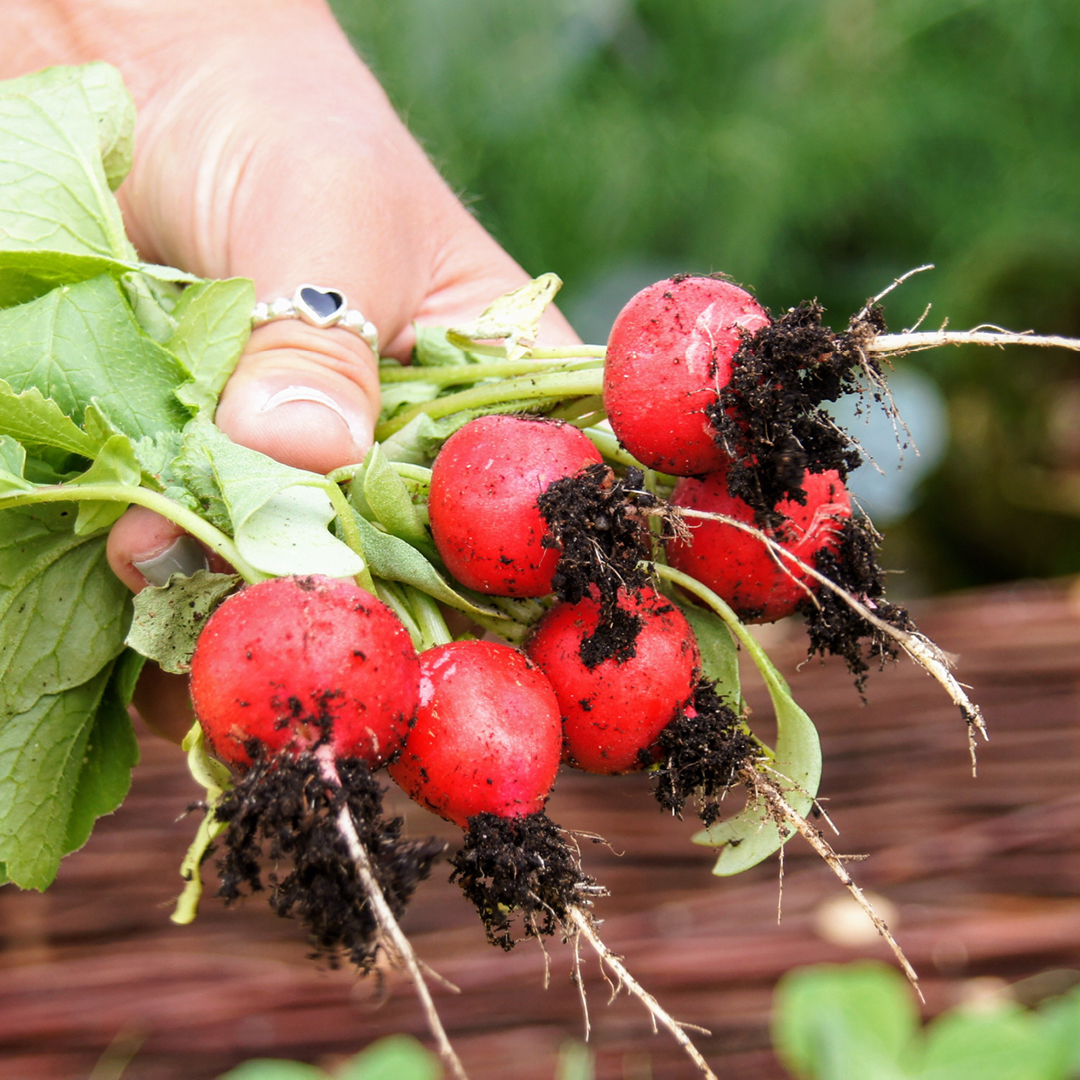
Radishes: Fast-growing and low-maintenance, radishes are perfect for beginners and add a peppery crunch to salads and snacks. Sow radish seeds thinly across the square foot section, allowing about 16 plants per square foot.

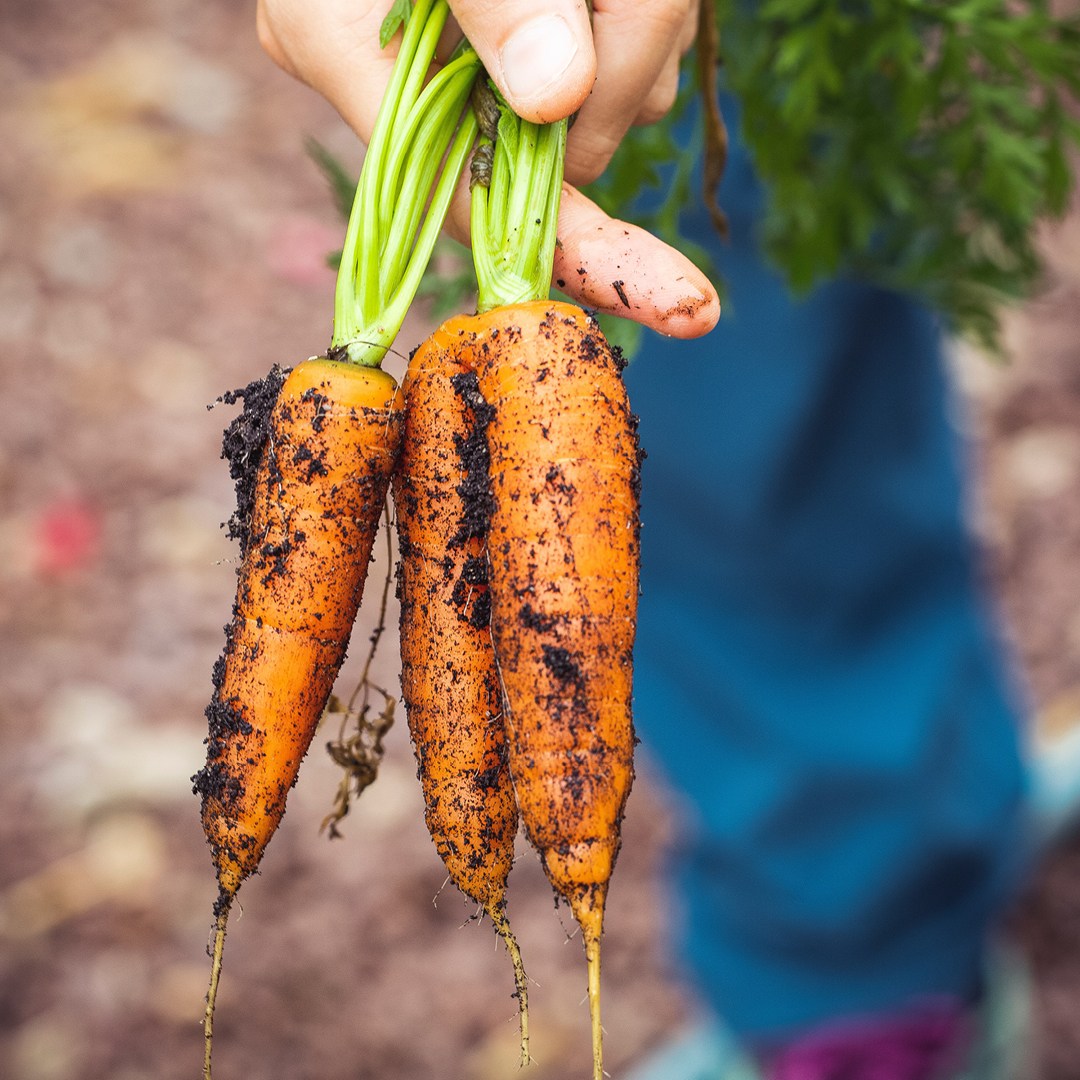
Carrots: Choose smaller varieties like ‘Thumbelina’ or ‘Paris Market.’ These are best for compact spaces. Carrots thrive in loose, well-drained soil. Sow carrot seeds thinly across the square foot section, aiming for about 16 plants per square foot. Thin out seedlings to ensure proper spacing as they grow.

Cherry Tomatoes: Compact varieties like ‘Patio’ or ‘Tiny Tim’ are well-suited for small spaces. Plant 1 cherry tomato plant per square foot. Support the plant as it grows using a cage or trellis.

Green Beans: Bush varieties of green beans are easy to grow and produce abundant yields. Pole beans are grown vertically to save space. Plant 9 bush bean plants per square foot, spacing them about 4 inches apart in a grid pattern. Plant 4 pole bean plants per square foot. Provide a trellis or support structure for the beans to climb as they grow. Space the plants evenly within the square foot section, allowing them enough room to spread out and climb the support structure without overcrowding.

Herbs: Basil, parsley, cilantro, and chives are among the easiest herbs to grow and are versatile in the kitchen. Plant 4 herb plants per square foot, ensuring they have enough space to grow and flourish.

Square foot gardening offers a practical and efficient way to grow a variety of vegetables and herbs in a limited space. As you gain confidence and experience with this gardening method, you can experiment with a wider variety of crops to suit your taste and perhaps even expand your growing space. These principles will assist you in creating a thriving garden that provides bountiful harvests year after year.

Be sure to come into the store and chat with Melanie, our expert on square gardening.  She will be glad to get your started!


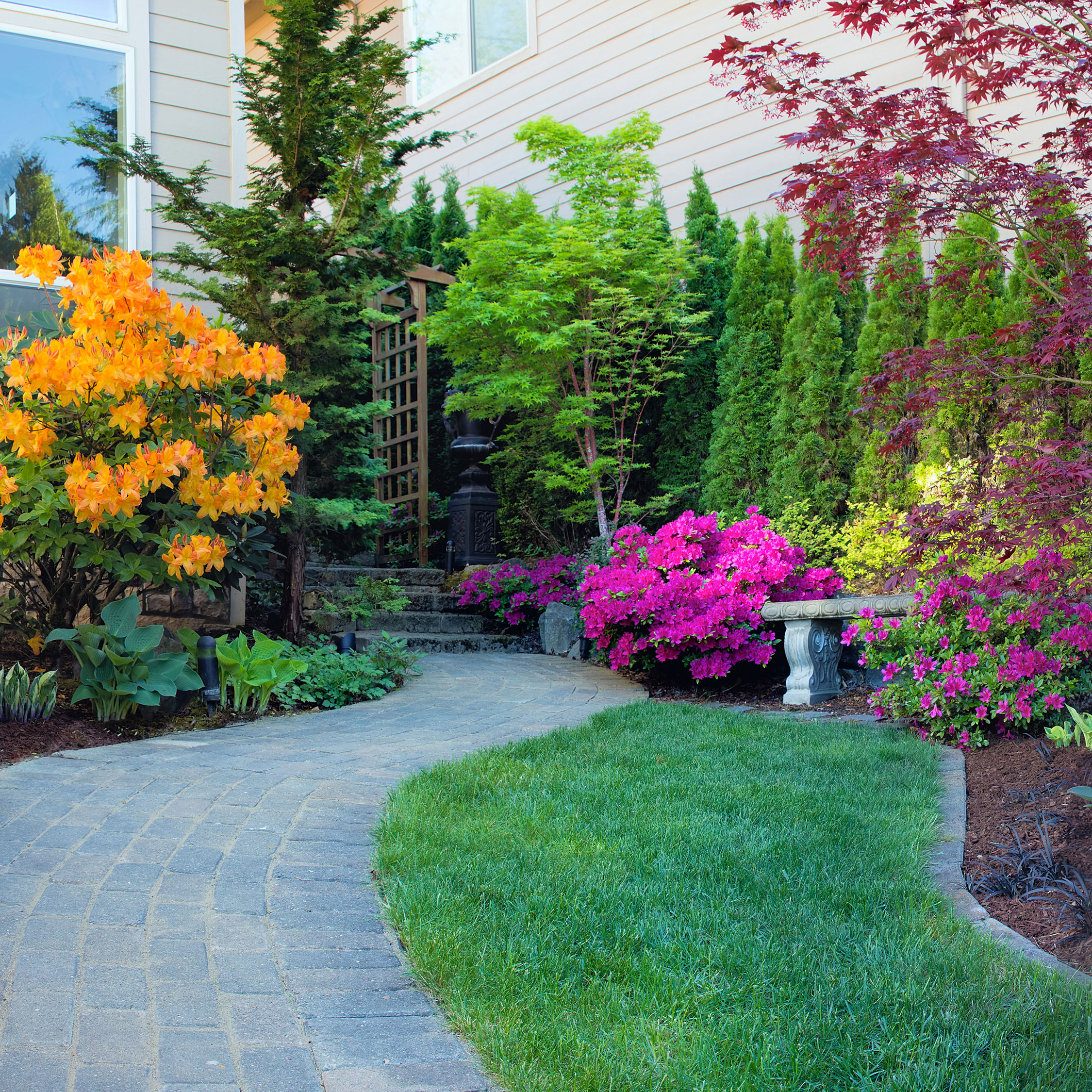
Enhance Your Garden with A Hedge Border

As avid gardeners, we tend to focus on individual plants’ colorful blooms and lush foliage: that specimen tree, the rare perennial, or the colorful flowering shrub. However, there’s one often-overlooked garden feature that can significantly enhance the beauty, functionality, and biodiversity of your outdoor space: the hedge. Hedges are not just for grand estates or formal gardens; they can be a valuable addition to any size property, adding structure, privacy, and habitat for wildlife. Here’s why you should consider planting hedges in your home garden:

Definition and Structure

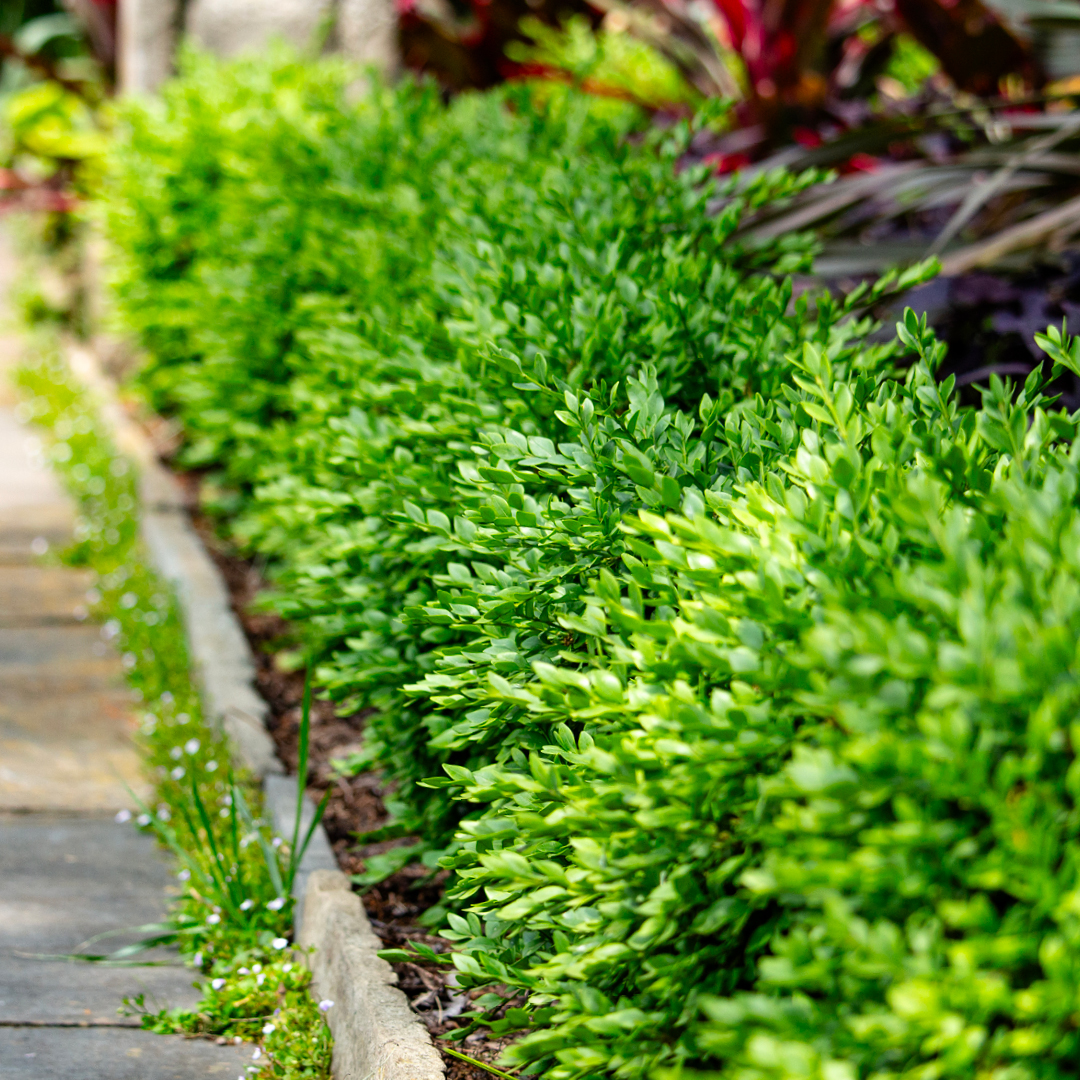
Hedges may be short or tall and provide a sense of definition and structure to your garden. They can delineate boundaries, create outdoor rooms, or frame specific areas within your garden. By defining spaces, hedges add visual interest and help organize the landscape, making your garden feel more cohesive and intentional.

Privacy and Screening

In an era where outdoor living spaces are becoming increasingly important, hedges offer natural privacy and screening from neighboring properties or busy streets. Unlike fences or walls, hedges soften the landscape and create a green barrier that not only provides privacy but also absorbs noise and reduces pollution. Whether enjoying a morning coffee on the patio or hosting a backyard barbecue, hedges can create a secluded retreat right in your own backyard.

Wildlife Habitat

Hedges act as valuable wildlife habitats, providing food, shelter, and nesting sites for birds, insects, and other small creatures. Native species such as hawthorn, holly, and viburnum are particularly beneficial, offering berries for birds and nectar for pollinators. By planting a diverse mix of native shrubs, you can attract a variety of wildlife to your garden, creating a thriving ecosystem right outside your door.

Seasonal Interest

Many hedge plants offer year-round interest, with evergreen species providing structure and color even in the depths of winter. Deciduous hedges, on the other hand, provide a changing tapestry of foliage, flowers, and berries throughout the seasons. The traditional, formal monoculture hedge still has a place in the landscape; however, a mixed hedge allows you to select a combination of plants with varying textures, colors, and bloom times. The mixed hedge can provide visual interest and beauty year-round.

Low Maintenance

Once established, carefully selected species are generally low-maintenance, requiring minimal pruning and care compared to many other garden plants. Regular trimming will help maintain the desired shape and density, but beyond that, most hedges are relatively self-sufficient.

Plant Selection

Creating a mixed hedge border is like composing a beautiful symphony of flowers, foliage, fruit, and such, with each plant playing its own unique role. We’ve provided some guidance on selecting and arranging plants for a harmonious mixed hedge border, incorporating short, medium, and tall plants to achieve a pleasant balance.

Before diving into plant selection, consider the purpose of your hedge. Are you looking for privacy, wind protection, or a garden structure, or are you simply looking to add aesthetic appeal? Knowing your purpose will help you choose the right plants for your hedge. It is best to first lay your design out on paper. This will ensure that you have enough room for your desired selections.

Also, while in the planning stages, consider factors such as sunlight and soil. Choose species well-suited to your climate and growing conditions, and aim for a mix of plants to maximize biodiversity and resilience. Consider incorporating fruiting and flowering species to attract pollinators and beneficial insects.

Medium Plants (3 to 6 feet)

Medium-sized plants form the middle layer of the hedge, adding depth and texture. They provide a transition between the shorter and taller plants, and this is where many flowering species may be incorporated.

  • Spirea (Spiraea spp.)
  • Viburnum (Viburnum spp.)
  • Forsythia (Forsythia spp.)
  • Mock Orange (Philadelphus coronarius)
  • Potentilla (Potentilla fruticosa)
  • Weigela (Weigela florida)
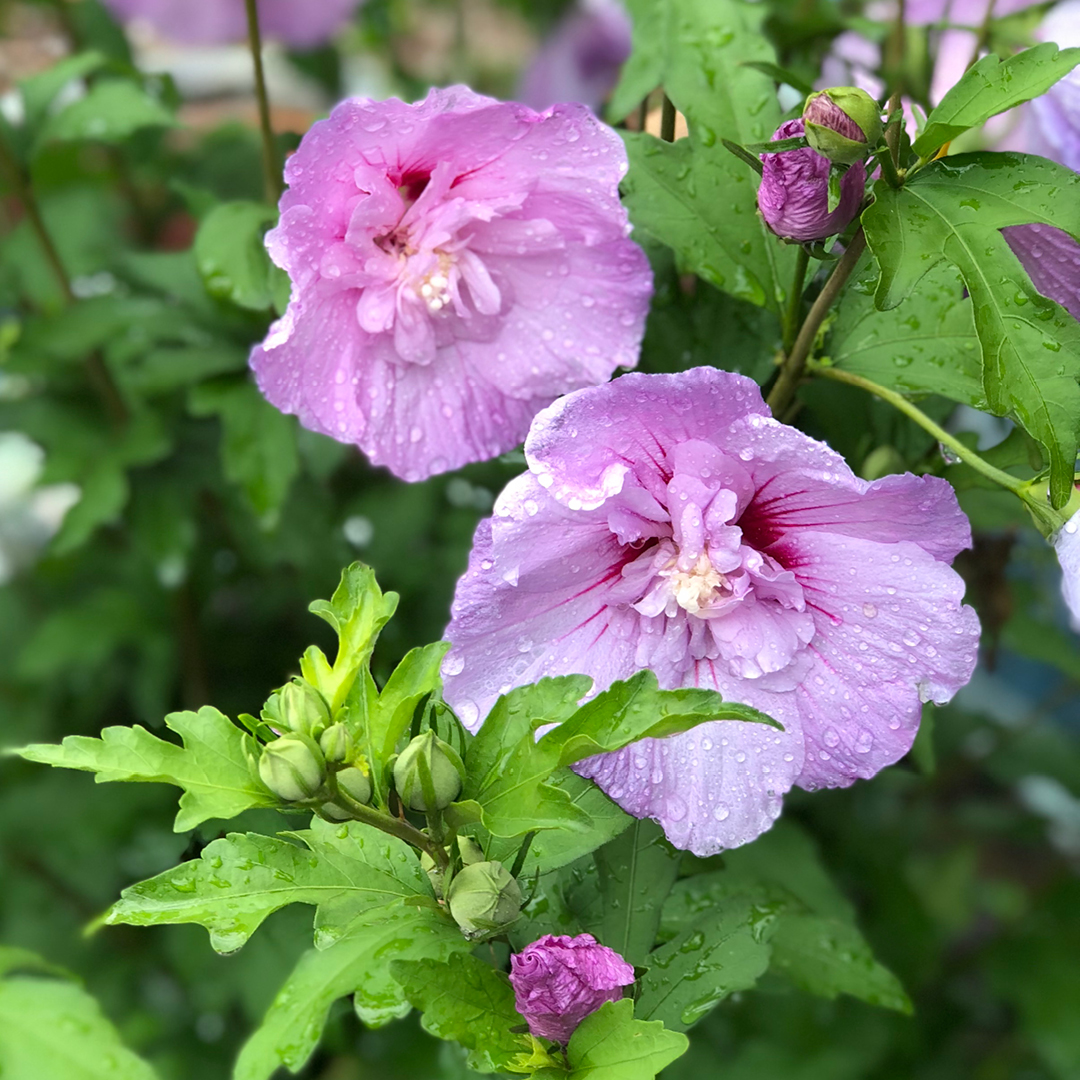
  • Rose of Sharon (Hibiscus syriacus)
  • Dogwood (Cornus spp.)

Tall Plants (Over 6 feet)

Tall plants are positioned at the back of the hedge border, providing structure, height, and a backdrop for the garden.

  • Arborvitae (Thuja occidentalis)
  • Elderberry (Sambucus spp.)
  • Summersweet Clethra (Clethra alnifolia)
  • Tall Fescue Grass (Festuca arundinacea)
  • Red Twig Dogwood (Cornus sericea)

Hedges are a versatile and valuable addition to the home landscape, offering beauty, function, and ecological benefits in equal measure. Whether you’re looking to create privacy, attract wildlife, or add structure to your landscape, planting a hedge is a worthwhile choice. So why wait? Get out there and start planning and planting your hedge today, and watch as your garden transforms into a vibrant and biodiverse oasis for both you and your local wildlife to enjoy.


Great Gifts for Mom

Spring is the perfect gardening season and as Mother’s Day approaches right at the height of spring, why not celebrate Mom with a gardening gift? The garden center is packed with great gifts for Mom that are ideal for Mother’s Day, birthdays, or any occasion to tell Mom just how much she means and how appreciated she is.

Garden Center Gifts for Mom

There are many gift ideas that can come from the garden center. When choosing the best gift for Mom, consider her preferences, needs, and favorites to find a gift that suits her gardening style. The most popular gift ideas include…

  • Tools – Help Mom make the most of her gardening with all the best tools to get the job done. Smaller hand tools that will be more comfortable in her hand are a great choice, or choose ergonomic tools for a more comfortable grip. Is Mom a lefty? Choose left-handed tools that will be more efficient for her to use.
  • Signs – Mom has always been welcoming, so why not extend that hospitality into the garden with a welcoming sign? Personalized wooden signs can declare the space as “Mom’s Garden” or can be customized with her name or initials. Fun garden flags are another option to add a greeting to the garden’s entrance.
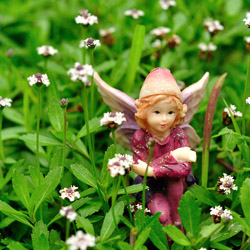
  • Fairies – Help Mom add a whimsical touch to her garden or containers with fairy accents. Small props such as charming houses, sweet little swings, quirky toadstools, and other decorations can be a fun addition to a garden of any size, from simple containers to a more extensive plot. Garden gnomes can also be a fun choice.
  • Plants – Give Mom something new to grow with a gift of seeds, bulbs, or seedlings. Choose her favorites or splurge on a new exotic variety she’s always wanted to try. If spring hasn’t quite sprung, you can also opt for houseplants or indoor garden options such as herbs to let her enjoy her green thumb even in poor weather.
  • Feeders – Let Mom welcome wildlife into her gardening space with a feeder for feathered guests. Hummingbird feeders are especially popular, as well as oriole feeders. Regular birdseed feeders can also be a great choice for the Mom who welcomes all sorts of visitors and may not mind a bit of spilled seed in her garden.
  • Houses – Another way Mom can welcome wildlife into the garden is by providing suitable homes for guests. Bird houses, bat houses, bee houses, toad shelters, and butterfly houses are all great options that can not only give Mom joy when she sees new residents move in, but they are beneficial to the garden with pest control and pollination.
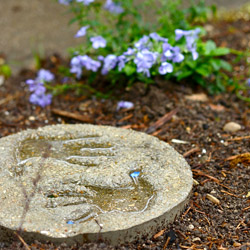
  • Stepping Stones – Add a personalized touch to Mom’s garden with a homemade stepping stone that includes the names of children, grandchildren, or pets. Handprint or pawprint kits are other meaningful choices, and the stones can be decorated with colored pebbles, embedded jewels, and other creative accents.
  • Containers – If Mom has trouble containing her excitement for gardening, new containers can help expand her gardening space. Choose colorful pots, stackable gardening systems, hanging pots, or wall containers for more space. If Mom has a bit of trouble getting down to the dirt, an elevated planter can be a perfect gift.
  • Décor – Add a bit of flair to Mom’s garden with a decorative gift such as a gazing ball, whimsical statue, wind chimes, or wind socks. Decorations can even have a practical side if you choose a barometer, rain gauge, plant identification stakes, bird bath, or other gift ideas that bring both beauty and functionality to the garden

The Best Gift of All

The very best gardening gift you can give Mom is just to appreciate her and her garden. Compliment the beauty of her flowerbeds or the tastiness of her herbs and vegetables, or admire how she manages to bring a plant back from the brink or coax a bigger harvest from a smaller plant. Better still, offer to help in the garden with less enjoyable chores or just spend time with Mom and all she loves about gardening. That time will become a memory you can both enjoy, and will be a gift not just for Mom, but for you as well.


Our Favorite Edible Flowers

Flowers are more than just the beautiful beds, colorful borders, or attractive containers that make up your garden and landscape. Edible flowers can also be surprising and delicious accents to a wide variety of tasty dishes. But which flowers are safe to eat, and how can you add blooms to your culinary creations?

Edible Flower Safety

Before consuming any flowers, it is essential that you properly verify the bloom’s identity. Some flowers can look very similar to one another, and though they may look alike, each bloom isn’t necessarily safe to eat. If you cannot be positive on the flower’s identity, it is safest to skip the snack and simply enjoy the flower’s beauty instead of its taste.

Identifying flowers is easier if you only use blooms you have grown yourself from a well-known source, such as heirloom seeds or your own cuttings from familiar flowers.

Choose only organically grown flowers for edible delights, avoiding blooms that may have been treated with pesticides, insecticides, or other chemicals. As with identification, this is easiest to do if you’ve grown the flowers yourself and know exactly how they’ve been cultivated. When harvesting blooms for cooking and eating, use clean pruners or clippers reserved just for edible flowers to prevent any cross-contamination from other plants in your garden. Choose only the healthiest blooms, without any signs of spotting, pests, and disease.

Before eating any flowers, wash them carefully in fresh, clean water and allow them to air dry. It is safest to only eat the petals of flowers, which is where the best flavor will be concentrated, unless you know for certain that other parts of the plant are edible.

Delicious Edible Flowers to Try

Many familiar flower varieties are edible. The most popular and tastiest options include…

  • Allium – These colorful blooms have a mild oniony flavor that goes well with savory dishes but take care not to use too much or the taste can be overwhelming.
  • Dandelion – More often considered a weed than a desirable flower, dandelions have a sweet, honey-like taste when young, but grow bitter as the blooms mature.
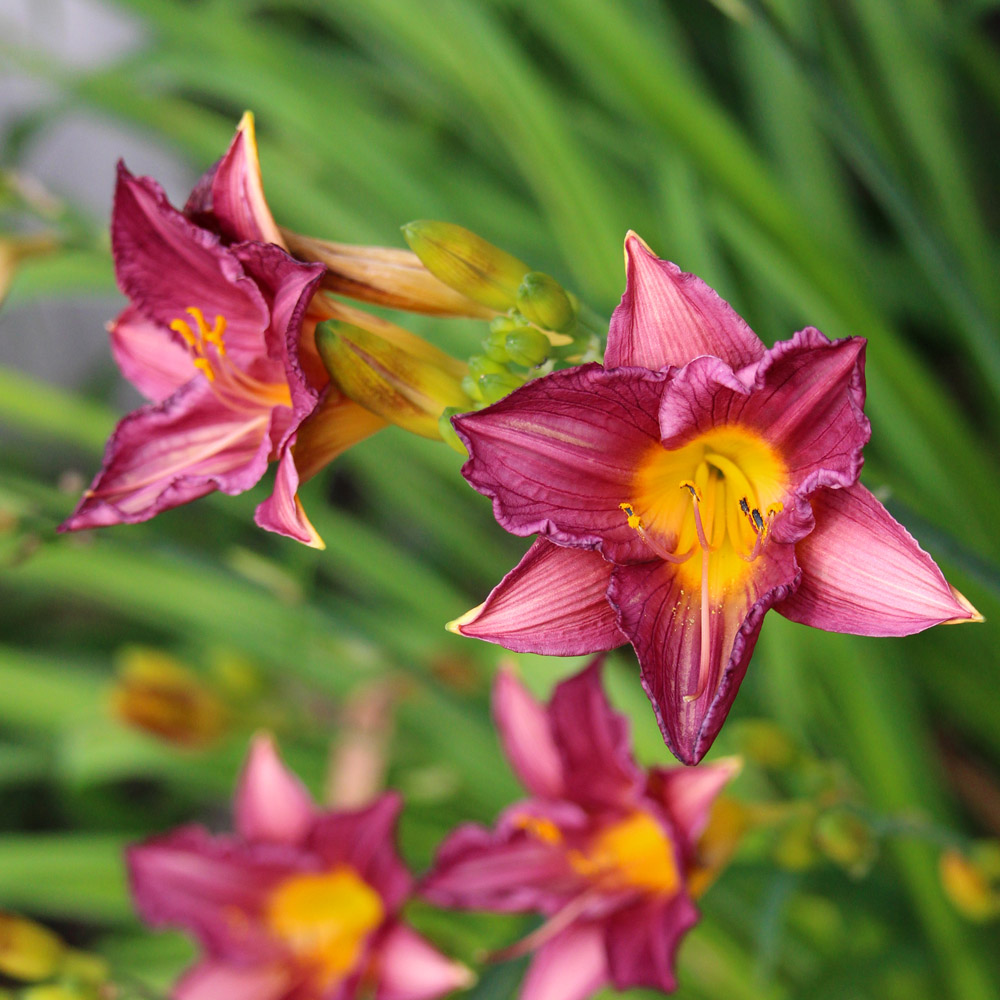
  • Daylily – While the white base of these flowers is strongly bitter, the rest of the petals have a mild vegetal taste similar to asparagus or zucchini.
  • Hibiscus – A compelling combination of tart and sweet, hibiscus has a tantalizing flavor similar to cranberries. Some blooms also have citrus notes.
  • Lavender – A potent flavoring choice, lavender gives dishes a floral note with hints reminiscent of rosemary or mint. This flower should be used sparingly as it could overpower a dish.
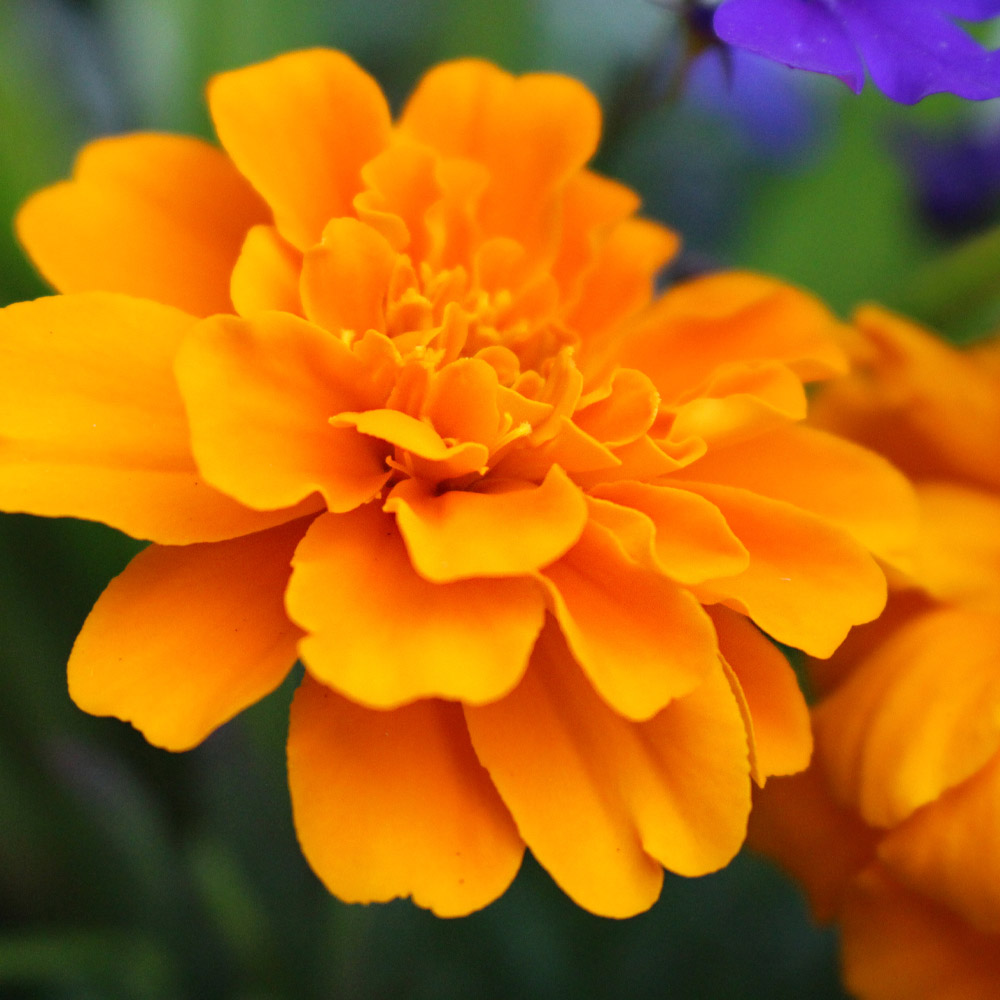
  • Marigold – A range of tastes are found in marigolds, from peppery to tangy to spicy. Experiment with different cultivars to find your favorite flavor.
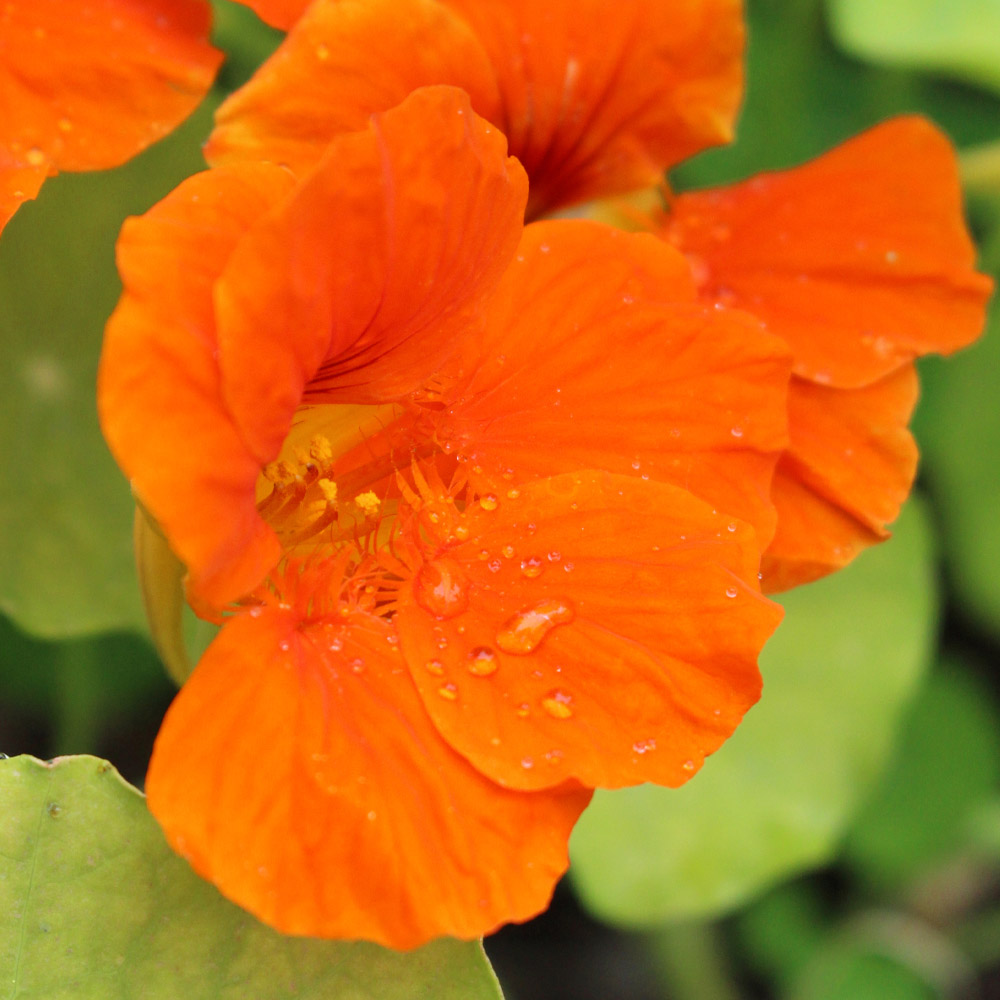
  • Nasturtium – All parts of nasturtiums are edible, and they impart a peppery or spicy flavor to dishes, similar to radishes.
  • Rose – Rose flavors vary based on cultivar, soil conditions, and care. Flavors range from sweet or spicy notes to fruity tones similar to strawberries or green apples.
  • Sorrel – These blooms have a very strong, lemony flavor that adds a punch of citrus to any dish but can easily become overwhelming. Use sorrel sparingly for the best effect.
  • Violet – Along with pansies and violas, these flowers have a sweeter taste with grassy notes, and may have a somewhat mint-like flavor as well.

Tips for Using Edible Flowers

No matter which tastes you prefer, there are many different ways to incorporate edible flowers into your favorite dishes. More savory tastes, such as flowers with spicy, peppery, or vegetable-like notes, can be great in salads, sauces, and stews, either incorporated into the dish or used as a finishing garnish. Some potent tastes are also delicious when infused into drinks, such as adding flowers to tea, lemonade, or even champagne for a unique flavor. Flower petals can even be frozen in ice cubes for a whimsical accent.

For more floral or fruity flavors, flowers can be delicious garnishes for salads, cakes, and cookies. Petals can be sprinkled over desserts, or whole blooms or larger petals can be sugared for a glittering accent on a decadent treat. A single flower makes a beautiful statement on a cupcake, or can be a tasty accent on a mousse, sherbet, or sorbet.

When you first start trying edible flowers, use them sparingly until you are accustomed to their flavors and can adjust your recipes to your tastes. It’s easy to enjoy delicious blooms in all your favorite recipes, bringing beauty to the plate and palate just as flowers can bring beauty to your landscape.


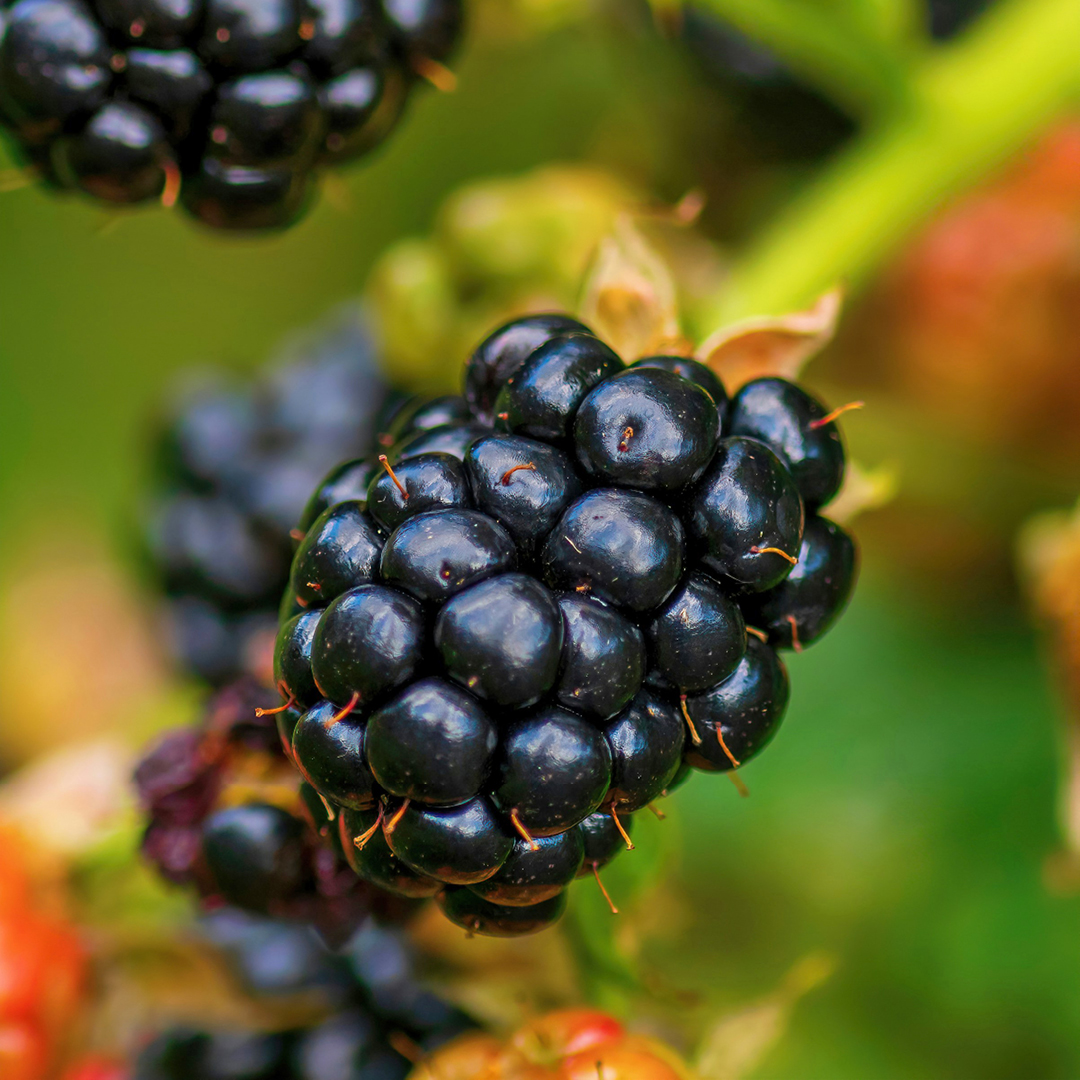
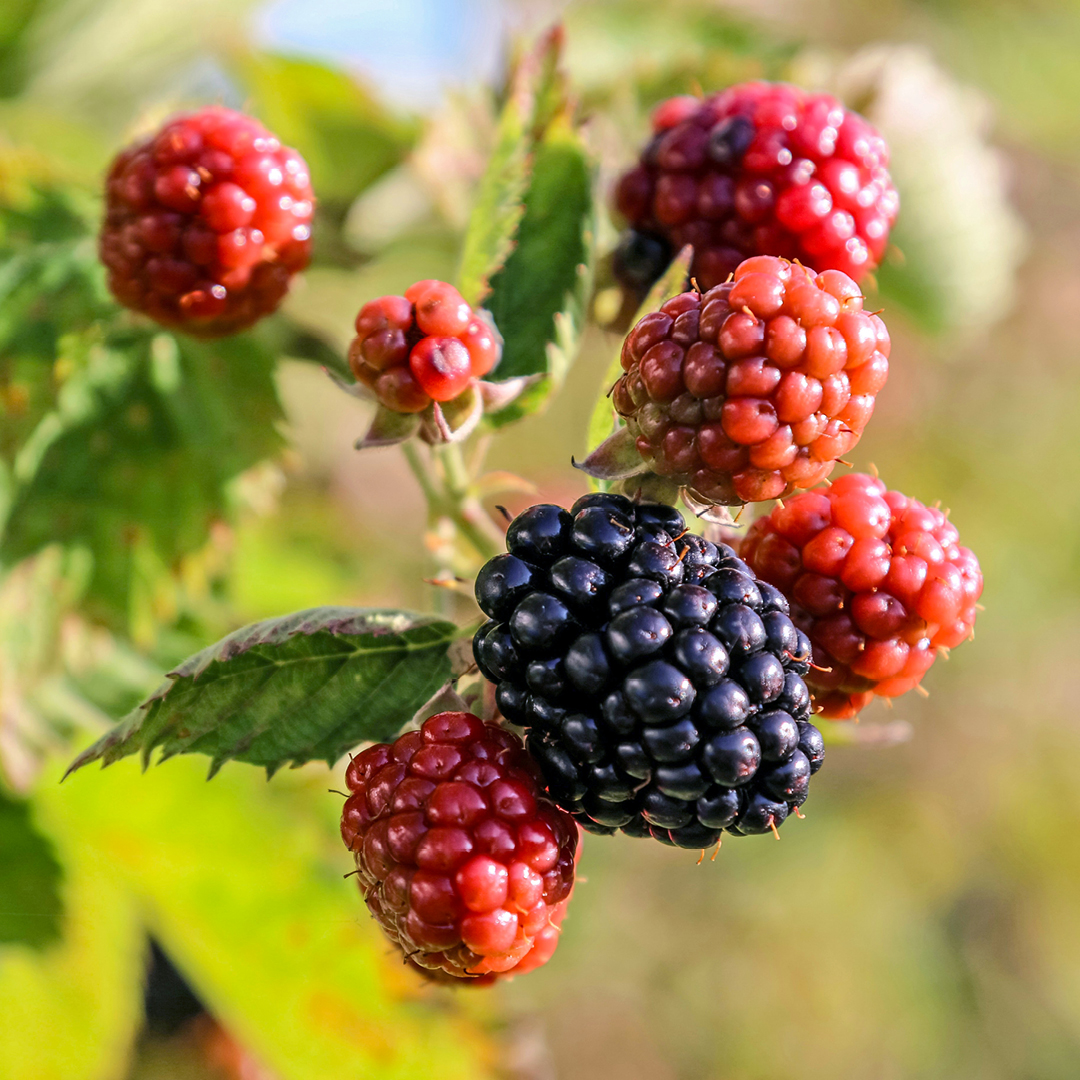
A Guide to Home-Grown Blackberries

Transform your garden into a sanctuary of sweetness with home-grown blackberries. Picture plucking ripe, juicy berries straight from the vine, indulging in their unmatched flavor while reaping their nutritional benefits. With minimal maintenance, these resilient plants provide a convenient, sustainable source of delicious fruit, fostering a deeper connection with nature and promoting a healthy lifestyle through gardening and proper nutrition.

Blackberry Dictionary

Some terms used in blackberry cultivation are not immediately understood by the home gardener. Our blackberry dictionary is meant to help you better understand these words to support your blackberry selection and cultivation efforts.

Cane: Refers to the long, woody stems that emerge from the crown of a blackberry plant. Canes can be either primocanes or floricanes, depending on their age and stage of growth.

Floricane: Refers to the second-year canes or shoots of a blackberry plant that have already borne fruit. Floricanes typically produce flowers and fruit in the current growing season.

Hardiness: A plant’s ability to withstand cold temperatures.

Primocane: Refers to the first-year canes or shoots that emerge from the crown of a blackberry plant. Primocanes typically do not produce fruit in their first year but develop fruiting laterals that bear fruit in the subsequent year.

Suckers: Adventitious shoots that emerge from the base of a blackberry plant, often arising from the roots or crown. Suckers can contribute to the spread of blackberry plants but may need to be managed to prevent overcrowding.

Thornless: This term describes blackberry varieties that lack thorns or have greatly reduced thorniness, making them easier to handle and harvest compared to thorny varieties.

Tipping: Tipping is pruning or removing the terminal portion of primocanes to encourage lateral branching and increase fruiting potential. It can help improve fruit yield and quality in some blackberry varieties.

Trellis: A support structure consisting of posts, wires, or other materials used to support and train blackberry canes for better growth, airflow, and ease of harvest.

These terms are commonly used in blackberry cultivation and can help growers better understand the practices and techniques involved in successfully growing blackberries.

Planting and Care Tips

Now that you’re familiar with blackberry terms and recommended varieties for your climate, it’s time to get planting! Follow these tips for successful growth and abundant harvests:

Site Selection
Choose a sunny location with well-drained soil for planting blackberries. Avoid low-lying areas prone to frost or poor drainage, as these can hinder plant growth.

Soil Preparation
Before planting, amend the soil with organic matter such as compost or aged manure to improve drainage and fertility. For optimal blackberry growth, aim for a slightly acidic soil pH of 5.5 to 6.5.

Planting Technique
Space blackberry plants 3-4 feet apart in rows, ensuring adequate airflow and room for growth. Plant them at the same depth as they were in their nursery containers, and water thoroughly after planting to settle the soil.

Pruning and Training
Blackberries require regular pruning to remove old canes and promote new growth. In late winter or early spring, prune out any dead or diseased canes, as well as any weak or overcrowded growth. Train the remaining canes onto a trellis or support system to encourage upright growth and easier harvesting.

Watering and Fertilizing
Keep blackberry plants consistently moist, especially during hot summer months. Apply a balanced fertilizer in early spring before new growth emerges, top-dress with compost, and add a layer of mulch to retain soil moisture and suppress weeds.

Harvesting and Enjoying
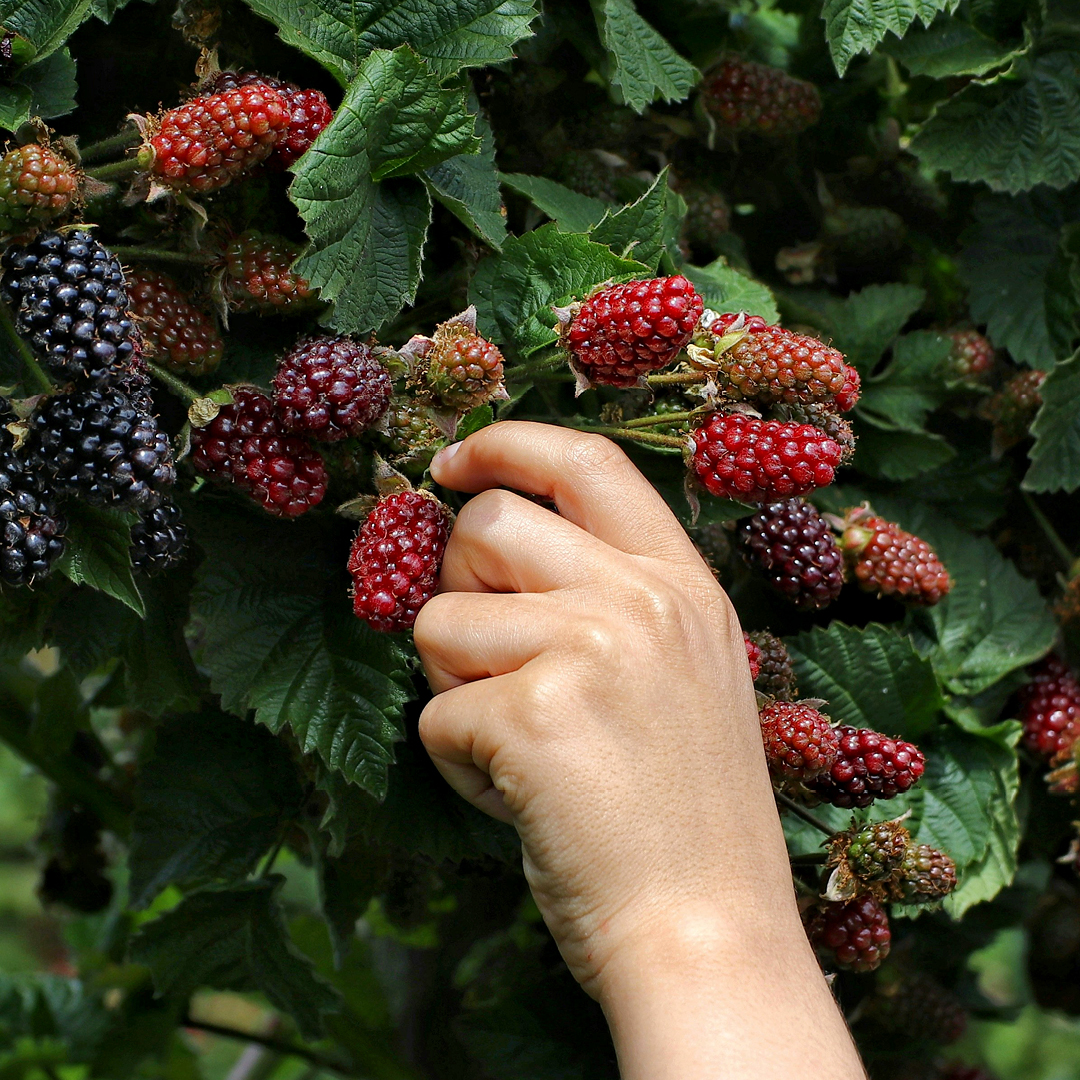
Blackberry plants typically begin bearing fruit in their second year and reach peak production by their third year. Harvest ripe berries when they easily detach from the stem with a gentle tug, usually from mid to late summer. Enjoy your freshly picked blackberries straight from the vine, or incorporate them into delicious recipes such as jams, pies, or smoothies.

Try adding blackberries to your fruiting favorites list this year. Not only are blackberries considered a superfood, loaded with vitamins, minerals, fiber, and antioxidants, but they are also easy and enjoyable to grow.


Determinate Versus Indeterminate Tomatoes

It’s tomato-planting time again! If you’ve grown tomatoes in the past, you most likely have your favorites. If not, just ask! You’ll find some pretty strong opinions regarding tomato choices, and every gardener has their own top choices, must haves and great picks for tomatoes.

Choosing Tomatoes

Along with soil type, climate, moisture and other typical gardening considerations, one of the features you will need to take into account when choosing what type of tomato to grow is plant habit. The two main habit classifications are “determinate” and “indeterminate” and are based on fruit use, available growing space and length of growing season. Both habit classifications include fruit selections in a wide variety of colors, sizes, shapes and tastes.

Determinate Tomatoes

Tomatoes from a determinate plant are produced earlier in the growing season, on terminal ends of a compact bush. This type of tomato generally reaches 3-4 feet in height and is easily supported with a tomato cage or may even be self-supporting. Due to its compact habit, it may even be grown in containers, ideal for gardeners with less available space. Because all the fruit ripens at the same time, determinate tomatoes are an excellent choice if you plan to can your fruit or make sauce, as you won’t need to worry about collecting enough fruit to work with. Determinate classification includes popular tomato varieties such as:

  • “Celebrity” – an eating tomato
  • “Roma” – a paste tomato
  • “Patio” – a dwarf selectio

Indeterminate Tomatoes

Indeterminate tomato plants will fruit along the entire length of the stem over a longer period of time, in fact continually, until frost. Smaller amounts of fruit ripening regularly throughout the growing season makes an indeterminate tomato plant an excellent choice if you cannot cook or consume a large quantity of this perishable fruit all at one time. Indeterminate tomato plants are vines, requiring proper pruning and support, to reach their ultimate height of 8 feet or more. Indeterminate classification includes popular varieties like:

  • “Amish Paste” – heirloom, paste tomato
  • “Beefmaster” – extra large sandwich tomato
  • “Better Boy” – juicy but firm, compact vine with shorter internodes
  • “Black Krim” – deep color, rich flavor
  • “Chocolate Cherry” – cherry, chocolate red in color

By understanding the differences between these basic tomato classifications, it will be easy for you to choose the tastiest tomato to suit your gardening needs and harvest preferences. Many gardeners choose more than one of each type of tomato, ensuring there is always a bountiful supply to use, to share and to enjoy!

Tomatoes

Herbs As Companion Plants

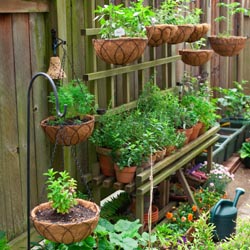
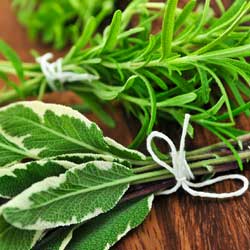
Practiced by organic gardeners for years, companion planting has become very popular for all gardeners. The concept is to plant together species that will benefit each other, to help prevent disease and insect infestation without the use of chemicals. In general, herbs and other aromatic plants like tomatoes, marigolds and onions are helpful in warding off insects. Certain colors, like the orange of nasturtium flowers, are thought to repel flying insects. While these practices have not been scientifically proven, many gardeners have been using them for years with positive results. Try it – and see if it works for you!

Best Companion Herbs

The exact herbs you choose to pair with other plants will depend on what you want to grow and what problems you want to eradicate. The most common herbs and their purported benefits include…

  • Basil – Enhances the growth of tomatoes and peppers. Dislikes rue. Repels flies and mosquitoes.
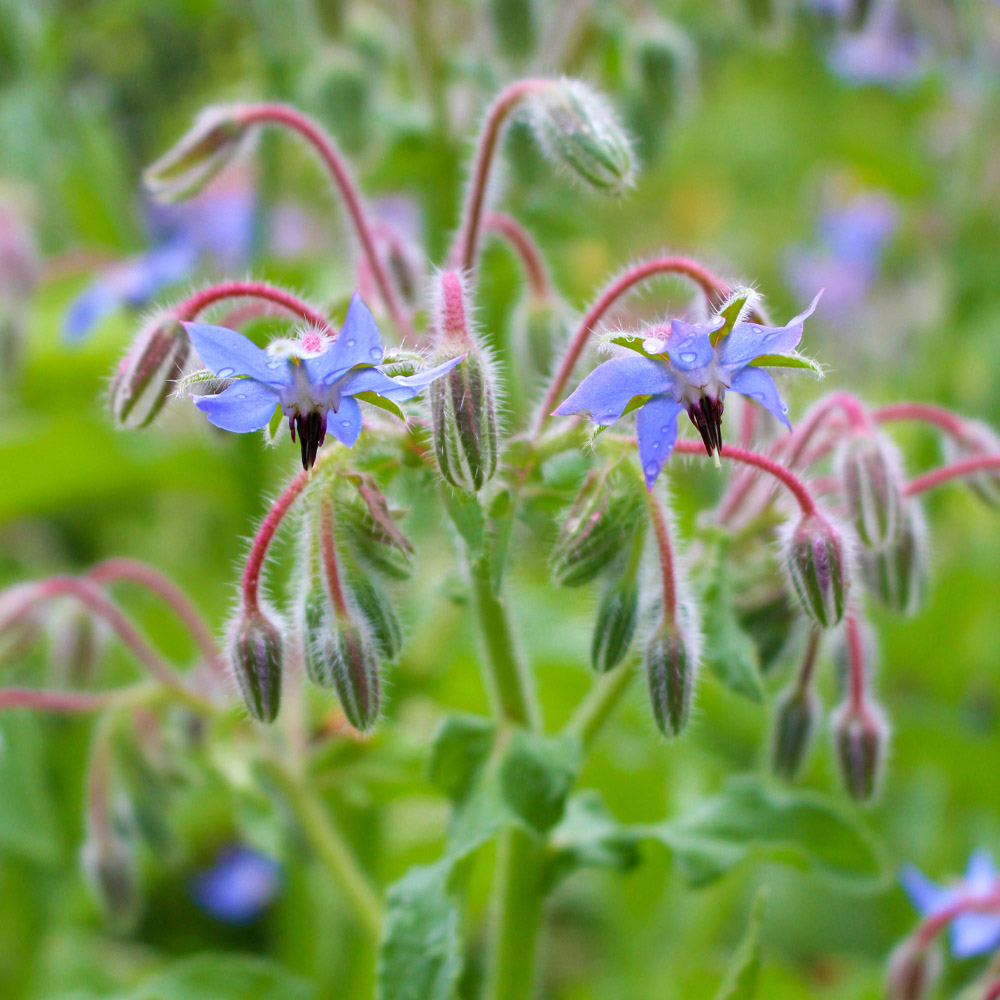
  • Borage – Companion to tomatoes, squash and strawberries. Deters tomato worm.
  • Chamomile – Companion to cabbages and onions. Improves the growth of all garden plants.
  • Chives – Companion to carrots. Deters Japanese beetles, blackspot on roses, scab on apples and mildew on cucurbits.
  • Dill – Improves the growth of lettuce, cabbage and onions. Dislikes carrots.
  • Fennel – Most plants dislike it – avoid using it as a companion herb and instead plant it away from the garden.
  • Garlic – Plant near roses and raspberries. Deters Japanese beetles.
  • Horseradish – Plant at the corners of your potato patch; deters potato bug.
  • Hyssop – Companion to cabbage and grapes. Deters flea beetles and cabbage moths. Dislikes radishes.
  • Marigolds – Plant throughout the garden as they discourage nematodes and other insects.
  • Mints (esp. Spearmint and Peppermint) – Companion to cabbages and tomatoes. Deters aphids, flea beetles and many types of cabbage pests.
  • Nasturtium – Companion to radishes, cabbage and cucurbits. Plant under fruit trees. Deters aphids and squash bugs.
  • Onion – Repels cabbage loopers, potato beetles, carrot flies and imported cabbage moths.
  • Oregano – Improves the growth of beans.
  • Parsley – Enhances the growth of roses. Repels asparagus beetles.
  • Pot Marigold – Companion to tomatoes, but plant elsewhere, too. Deters tomato worm, asparagus beetles and other pests.
  • Rosemary – Companion to cabbage, bean, carrots and sage. Deters cabbage moth, bean beetles and carrot fly.
  • Rue – Companion to roses and raspberries, dislikes sweet basil. Deters Japanese beetles.
  • Sage – Plant with rosemary, tomatoes, strawberries, cabbage and carrots. Dislikes cucumbers. Deters cabbage moth and carrot fly.
  • Summer Savory – Companion to beans and onions. Deters bean beetles.
  • Tarragon (French) – Enhances the growth of all vegetables.
  • Thyme – Improves the growth of tomatoes, potatoes and eggplant. Repels whiteflies and cabbageworms.
  • Wormwood – Use as a border, keeps animals from the garden.
  • Yarrow – Plant along borders, paths and near aromatic herbs. Enhances production of essential oils. Attracts beneficial insects including ladybugs and predatory wasps.

Exactly how much benefit companion plants give to one another will vary; be sure to choose varieties to group that have similar soil, light, water and fertilization needs. Even if their companion benefits may not pan out, you’re sure to enjoy a more diverse and vibrant garden filled with delicious vegetables and herbs!

herbs_companion_3

herbs_companion_1

herbs_companion_2

Dianthus ‘Firewitch’

Are you looking for new perennials to add to your landscape but are tired of the same old plants with dull blooms, predictable foliage and raggedy forms? Dianthus ‘Firewitch’ can be the answer that will bring unique texture, brilliant color and clean lines to your flowerbeds.

About the Plant

Dianthus plants – also called sweet williams or pinks – are well known in landscaping, but ‘Firewitch’ is even more spectacular than most of these familiar perennials.

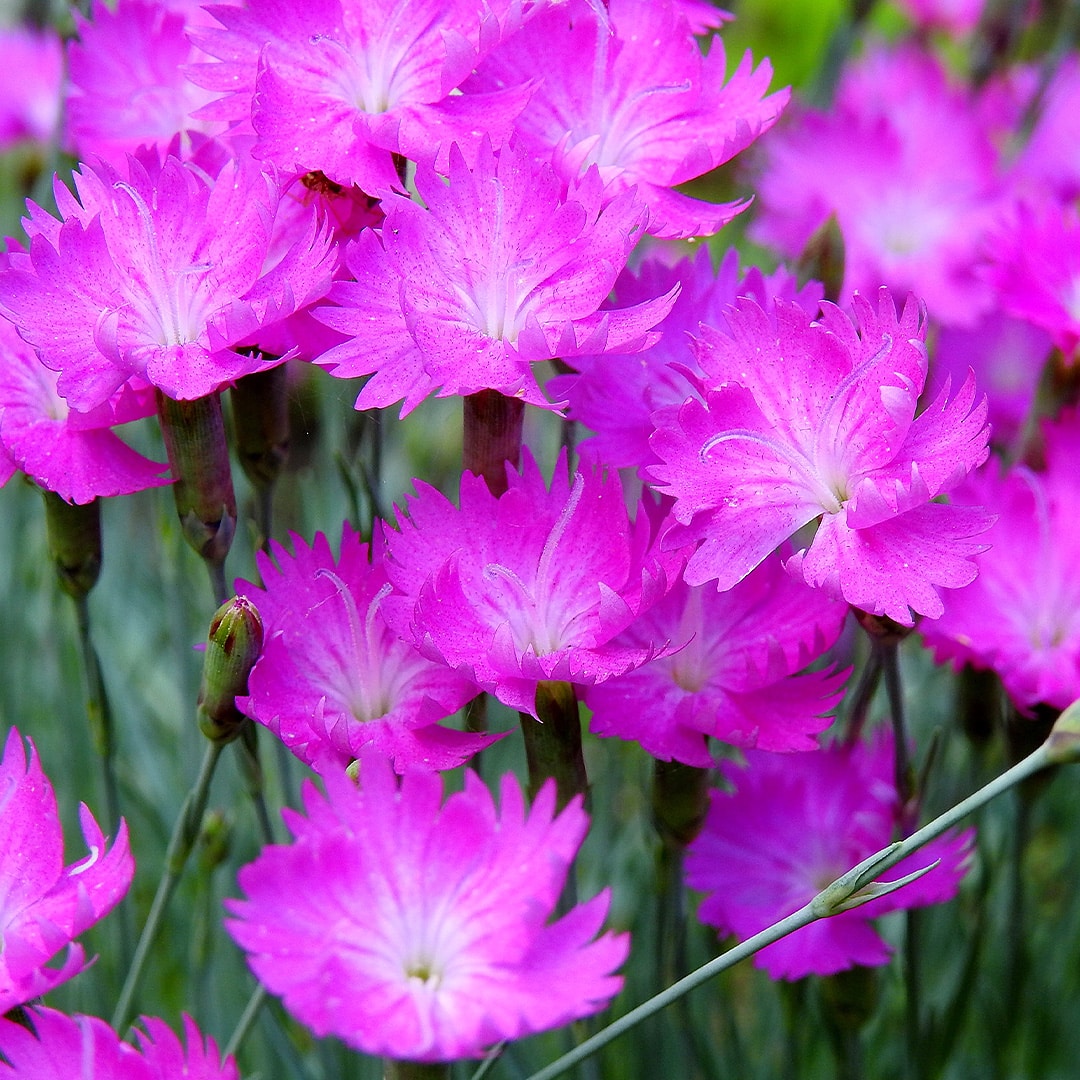
Dianthus ‘Firewitch’ (sometimes called cheddar pink) is a low growing, mat-forming plant with evergreen, narrow, bluish-gray foliage with a spikey texture that adds a bold statement to the landscape. Growing 3-4 inches tall, this perennial forms a mature clump at 6-12 inches wide. Brilliant purplish-pink flowers reach 6-8 inches high and cover the plant at bloom time. The petals are also spiked, which gives this plant an even more stunning, sharp appearance.

Described as hot pink, purple red or magenta, the flowers provide a striking contrast with the foliage during peak bloom in early spring. The flowers perfume the air with a spicy, clove-like fragrance that is even more noticeable in large beds or borders. ‘Firewitch’ is also tops in offering a re-bloom throughout the season, bringing brilliant color to the landscape for far longer than many other cultivars, even into mid-summer.

Growing Dianthus ‘Firewitch’

This perennial does best in full sun in well-drained, slightly alkaline soils, and can even thrive in sandy soils and is tolerant of moderate humidity as well as occasional drought conditions. Dianthus ‘Firewitch’ is excellent as a border edger, in a rock garden, planted in wall crevices or as a ground cover on a sunny slope. It is at home in the herb garden, a formal border or a cottage garden, where butterflies will also welcome the beautiful blooms. Because this plant is deer-resistant, it is also a good option for landscapes that may be visited by unwelcome wildlife. Deadheading the plant after blooms fade will help encourage reblooming, and blooms may be produced up to 4-5 weeks in optimal conditions. ‘Firewitch’ is not typically plagued by pests or diseases, but crown rot can be a problem if the plants are too moist or planted in poorly-drained areas.

Low maintenance, easy-to-grow and brilliantly colorful, what’s not to love about Dianthus ‘Firewitch’? Add some to your landscape today and you’ll love the sparkle it brings to your yard!

Dianthus Firewitch

Dividing Hybrid Hellebores

Hybrid hellebores bring us all sorts of happiness. These are one of the first plants to bloom in the late winter and early spring and are available in flower colors of chartreuse, cream, white, pink, red and deep purple. Hybrid hellebores are also those rare and treasured perennials that provide year-round interest, giving you the most bang for your buck and brightening your landscape in every season. As evergreens, they never lose their luster, and their flower shapes and textures are quite varied for even more interest, with a cultivar to suit any gardener’s taste. What’s not to be happy about?

A Love Divided

To keep these plants healthy and thriving, and to increase your quantity, division is a necessity. It is important to divide these plants carefully, however, or else you risk sadness with fewer blooms, lopsided plants or even losing these gems. Fortunately, it’s possible for even a novice hellebore lover to divide their plants with confidence.

  1. Divide hybrid hellebores in the spring when it is in bloom. This will also let you see how the blooms are positioned on the plant so you can divide shapes appropriately.
  2. Choose a plant that has at least 5 flower stems. Each one represents a division and will give you great new plants to bloom.
  3. Dig your hellebores up with a garden spade by inserting it deeply into the soil around the perimeter of the plant about 6 inches away from the outer stems of the clump. This will keep the root system largely intact and uninjured.
  4. Lift the clump and shake off loose soil or any trapped rocks or ensnared mulch. You can gently loosen clumps with your fingers, but take care not to damage the roots.
  5. With a garden hose, wash away any additional soil from the clump so the plant roots are exposed. This will help them get established in their new location more quickly.
  6. Divide the clump by cutting through the roots with a heavy-duty serrated knife. Make your root cuts where you see obvious natural divisions between the flower stalks.
  7. Replant your divisions at their original depth, in a shady location. Include plenty of compost in the planting hole for good nourishment. Water well and continue to keep soil from drying out until your new plants are well established.

Before you know it, you’ll have many more hybrid hellebores to enjoy! If you have a few too many, be sure to share the happiness by giving them to family members, friends, neighbors and anyone else who can fall in love with these beauties.

Helleborus orientalis

Pre-Emergent Control of Crabgrass

Did you have a crabgrass problem last year? Well, chances are, it’s gonna be even worse this year! Crabgrass is an annual lawn weed that dies once a hard frost hits. The main problem with this pest is the tenacious seed that it leaves behind after it blooms.

Early spring is the season to control crabgrass with a pre-emergent herbicide like Fertilome Crabgrass Preventer Plus Lawn Food or Bonide Weed Beater Complete.

This chemical works by killing the crabgrass seedlings as they germinate. Here’s what you need to do:

  • Apply the pre-emergent as the forsythia is going out of bloom.
  • For newly seeded lawns, wait until you have mowed your lawn three times before applying the herbicide. This will help to avoid killing the new grass.
  • Use a spreader to apply the herbicide uniformly across your lawn.
  • Apply your pre-emergent before a light rain. This will knock the chemical off the grass blades and down to the soil surface where the crabgrass seed is germinating.
  • Do not de-thatch or aerate the lawn after applying the herbicide, as this disruption will break the chemical barrier.
  • Wait two to four months to re-seed the lawn after applying.
  • Repeat this same procedure year after year.
  • Keep you and your lawn safe. Always follow the manufacturers’ instructions.
crabgrass